
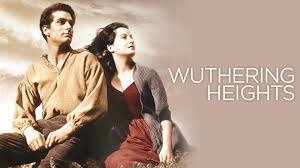
Wuthering Heights
A Haunting Tale of Passion, Revenge, and the Human Soul
Emily Brontë’s Wuthering Heights, published in 1847 under the pseudonym Ellis Bell, stands as one of the most intense and unconventional novels in English literature. Often ranked alongside her sister Charlotte’s Jane Eyre among the greatest works of the nineteenth century, it continues to captivate readers with its raw emotional power, complex structure, and unflinching exploration of destructive love.
Plot Overview
The story is told through a series of nested narratives. The primary narrator, Lockwood, a newcomer to the Yorkshire moors, rents Thrushcross Grange and becomes intrigued by his reclusive landlord, Heathcliff, who lives at the neighboring farmhouse called Wuthering Heights. Through the housekeeper Nelly Dean’s long recounting, we learn the dark history of the two houses and the families that inhabit them.
The tale centers on Heathcliff, a mysterious orphan brought to Wuthering Heights by Mr. Earnshaw. He grows up alongside Earnshaw’s children, Hindley and Catherine. Catherine and Heathcliff form an extraordinarily intense bond, describing themselves as essentially the same soul. However, social class and ambition drive them apart. Catherine chooses to marry the wealthy, refined Edgar Linton from Thrushcross Grange, believing it will elevate her status, while Heathcliff disappears, only to return years later as a wealthy and vengeful man.
What follows is a spiral of cruelty, obsession, and retribution. Heathcliff seeks to destroy both the Earnshaw and Linton families, manipulating marriages, property, and lives in his quest for revenge and reunion with Catherine. The second half of the novel shifts focus to the next generation—Catherine’s daughter and Hindley’s son—whose story offers a glimmer of redemption amid the lingering shadows of the past.
Key Characters
A dark, brooding, almost demonic figure driven by love and vengeance. His origins remain ambiguous, fueling interpretations of him as an outsider, a force of nature, or a symbol of repressed passion.
Wild, willful, and torn between her soul-deep connection to Heathcliff and her desire for social respectability. Her famous declaration, “I am Heathcliff,” captures the novel’s central idea of merged identities.
Gentle, cultured, and kind, he represents civilized restraint in contrast to the wild moors and Heathcliff’s ferocity.
The housekeeper and primary narrator whose recounting shapes our understanding of events. Her perspective reveals both intimate knowledge and potential bias.
The outsider and frame narrator whose arrival at Thrushcross Grange sets the story in motion. His refined sensibilities contrast sharply with the raw passions of the tale he uncovers.
Major Themes
Emily Brontë explores several powerful ideas that continue to resonate with readers across generations:
The bond between Catherine and Heathcliff transcends ordinary romance, becoming almost metaphysical, yet it leads to suffering and ruin rather than fulfillment.
Heathcliff’s single-minded pursuit of vengeance consumes everyone around him, showing how hatred can outlive even the object of desire.
The wild, stormy moors of Wuthering Heights stand in opposition to the refined order of Thrushcross Grange, reflecting inner turmoil versus social convention.
The novel questions rigid hierarchies, portraying Heathcliff as both victim and perpetrator of class-based cruelty.
Ghosts, dreams, and an eerie atmosphere infuse the story with a sense of the uncanny, blurring lines between life, death, and the afterlife.
Why It Endures
Wuthering Heights shocked many early readers with its amoral characters, violent passions, and rejection of Victorian sentimentality. Unlike most novels of its time, it offers no clear moral framework or tidy resolution. Instead, it presents human nature in its most extreme and contradictory forms—capable of profound love and unspeakable cruelty.
The novel’s innovative structure, with multiple unreliable narrators and a non-linear timeline, adds psychological depth and invites endless interpretation. Its vivid descriptions of the Yorkshire landscape make the moors themselves feel like a living character, wild and indifferent.
Emily Brontë, who died at thirty, left behind only this one novel, yet it remains a towering achievement. Wuthering Heights challenges readers to confront uncomfortable truths about desire, loss, and the limits of forgiveness. Its fierce emotional honesty and haunting beauty ensure its place as a timeless masterpiece of English literature.
This is not merely a love story, but a profound meditation on the human soul in all its capacity for both transcendent connection and devastating destruction. It remains as powerful and unsettling today as when it first appeared nearly two centuries ago.








Be First to Comment