
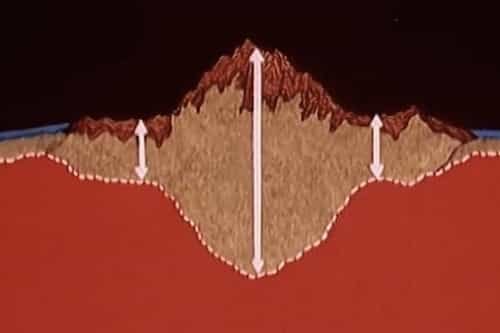
How a 1,400-Year-Old Verse in the Quran Described a Geological Truth Science Only Recently Confirmed
Posts published in “Science”
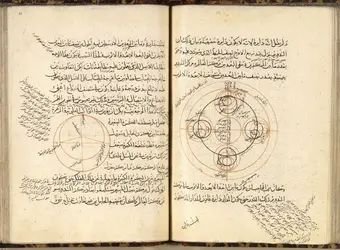
Muḥammad ibn Muḥammad ibn al-Ḥasan al-Ṭūsī (1201 – 1274),[a] also known as Naṣīr al-Dīn al-Ṭūsī[5] (Arabic: نصیر الدین الطوسی; Persian: نصیر الدین طوسی) or simply as (al-)Tusi, was a Persian polymath, architect, philosopher, physician, scientist, and theologian.

Abbas ibn Firnas was the first human to fly 1000 years before the Wright brothers.
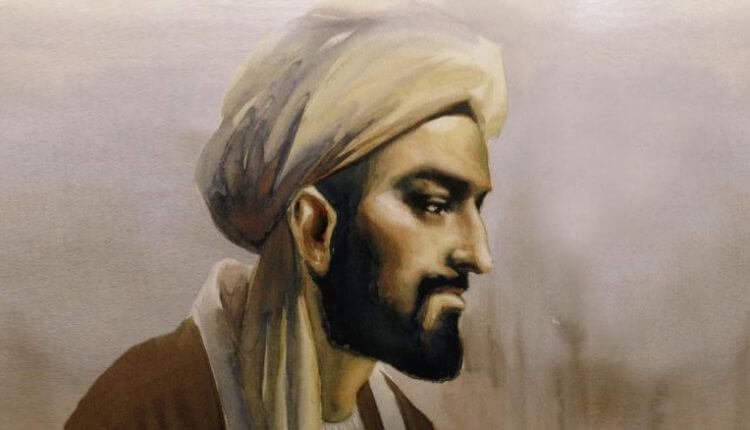
His name was Valiuddin Abd al-Rahman ibn Khaldun. Writing from a desert cave in modern-day Algeria in 1377, he penned the "Muqaddimah," or "The Introduction." This monumental text stands as one of the most astonishing intellectual achievements in human history, serving as the true, unrecognized blueprint for modern sociology, economics, and historiography.

Out in space, the four-member crew of Integrity is on its way home to Earth after the first lunar flyby in more than 50 years, while inside a lab at Frontier Electronic Systems Corporation, three sample pieces of the Artemis II mission sit on a table.
The hardware represents three of the more than 30 pieces of hardware that make up the Orion spacecraft's integrity, but they also represent Stillwater, Oklahoma, to the rest of the world.

Thunder is created through a complex process that begins with the formation of cumulonimbus clouds, the only type of clouds that produce thunderstorms.
In a groundbreaking discovery, scientists have successfully injected a tumor with a new type of immunotherapy, and the results are nothing short of extraordinary. Not only did the tumor shrink, but cancer cells throughout the entire body vanished. This marks a monumental shift in cancer treatment, opening doors to potentially curing cancers that once seemed impossible to treat.
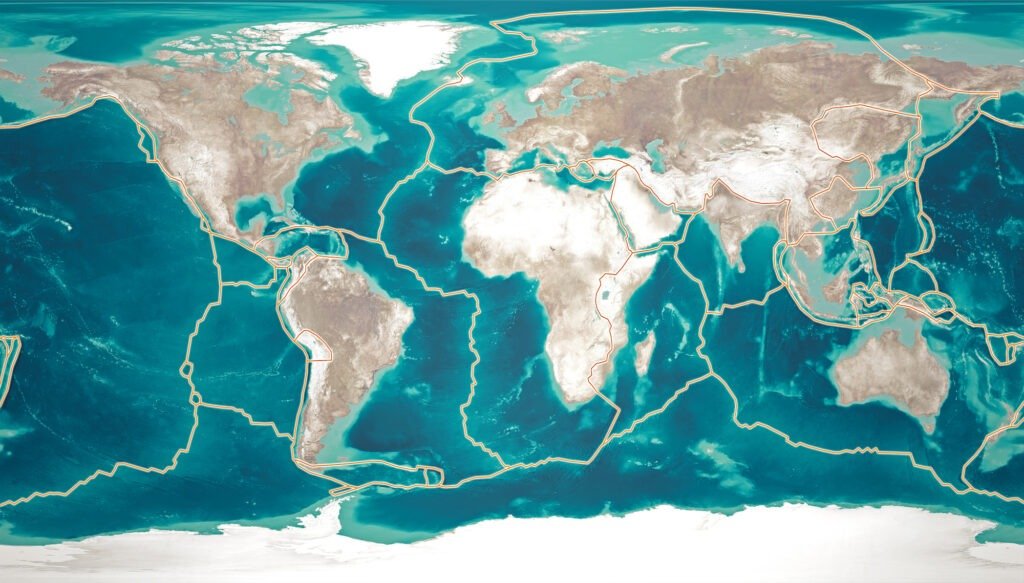
In a groundbreaking scientific study published by Cambridge University in 2010, two distinguished scientists—Professor Taylor Ross Stuart and Professor Scott M. Maclennan—presented a book marked by scientific courage titled "Planetary Crusts". This comprehensive work demonstrates the unique geological composition of planet Earth, distinguishing it from all other planets and our moon.
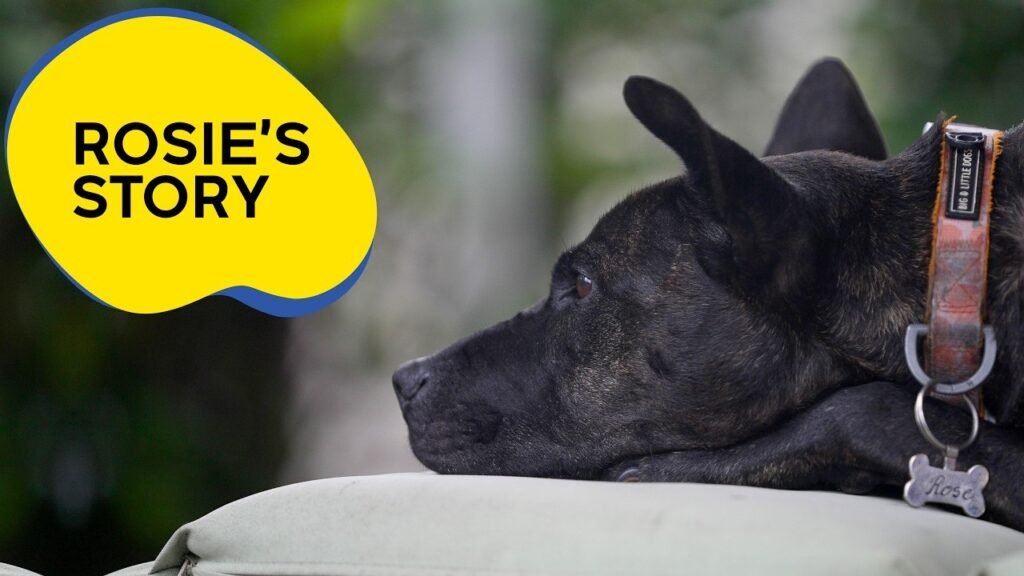
In 2024, Sydney tech entrepreneur Paul Conyngham found out his dog Rosie had cancer. But after attacking the diagnosis with chemotherapy and surgery, the tumors persisted and Rosie got sicker. So he turned to AI and eventually developed a custom mRNA cancer vaccine with the help of Australian scientists. Most of Rosie's tumors have shrunk, and the dog is back chasing rabbits.
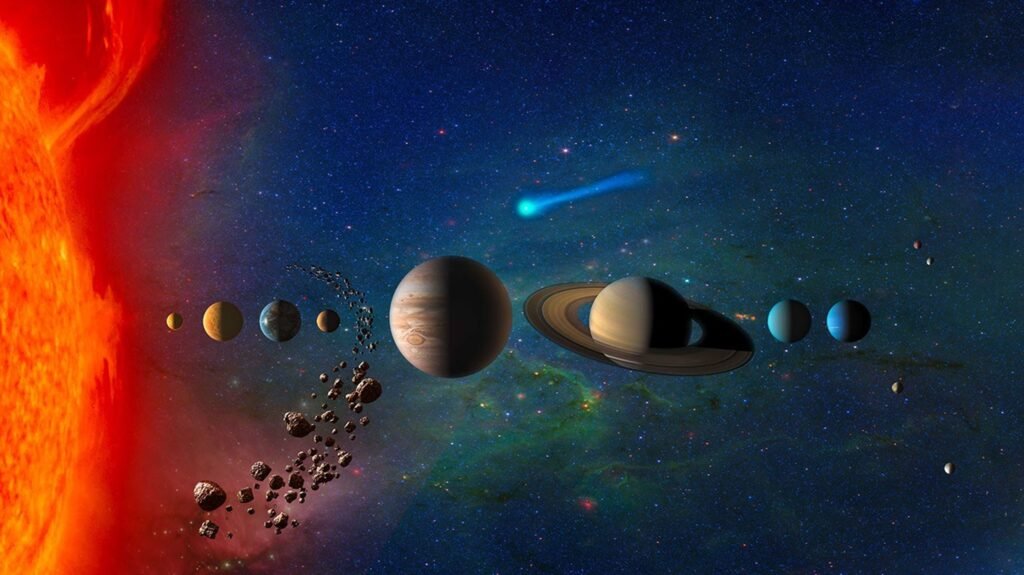
If planets form from the same dusty disc, why don't they end up as the same kind of world? How does one sibling become Earth and another becomes Venus, a planet hot enough to crush and cook anything we know?
In a breakthrough that feels like science fiction, scientists have successfully grown a fully functional human kidney in the lab. This lab-grown organ can filter human blood and produce urine, demonstrating its potential to revolutionize treatment for kidney failure and chronic kidney disease.
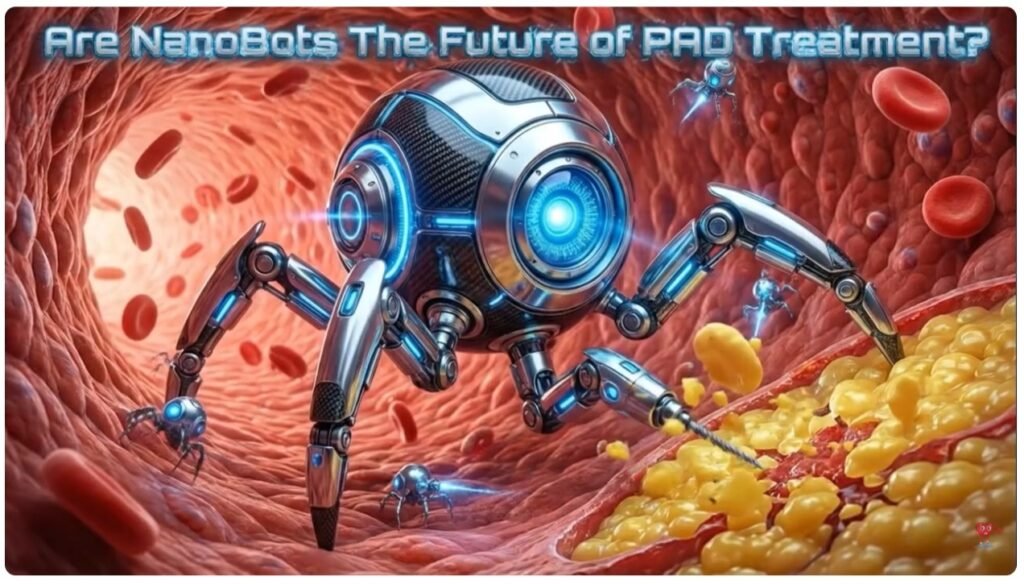
Scientists have developed nano-robots capable of swimming through human bloodstreams and dissolving arterial plaque in just six hours, marking a revolutionary breakthrough in cardiovascular medicine. These microscopic robots are designed to navigate the circulatory system, locate blocked arteries, and target hardened plaque deposits with extreme precision.
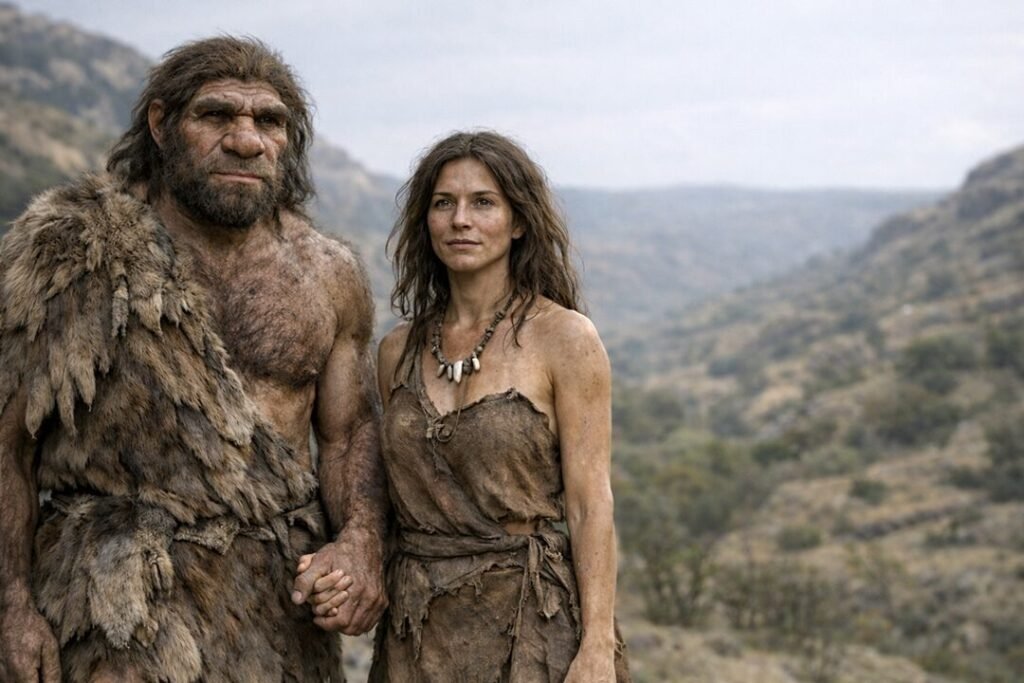
Humans and Neanderthals cozied up from time to time when they lived in the same areas tens of thousands of years ago. But we don’t know much about who got with whom, or why.
How to Lie with Statistics by Darrell Huff is a concise, witty, and enduring guide that teaches readers how to evaluate statistical claims critically. First published in 1954, the book remains highly relevant despite its age, offering timeless lessons on spotting statistical manipulation in media, advertising, and public discourse.
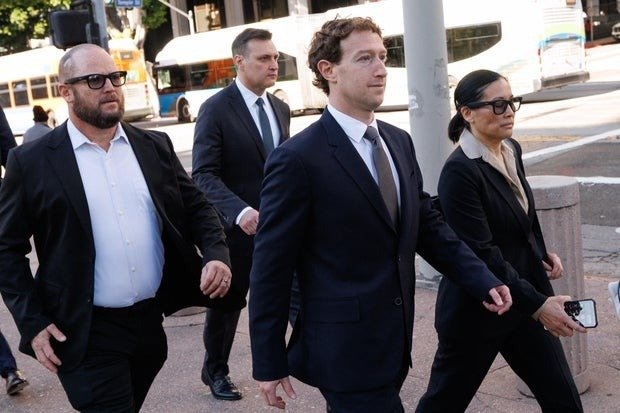
Meta CEO Mark Zuckerberg faced questioning in a Los Angeles courtroom on Wednesday about Instagram's under-13 users and Meta's efforts to boost engagement, as a trial examines whether the company knowingly offered an addictive and harmful product to children and teens.