
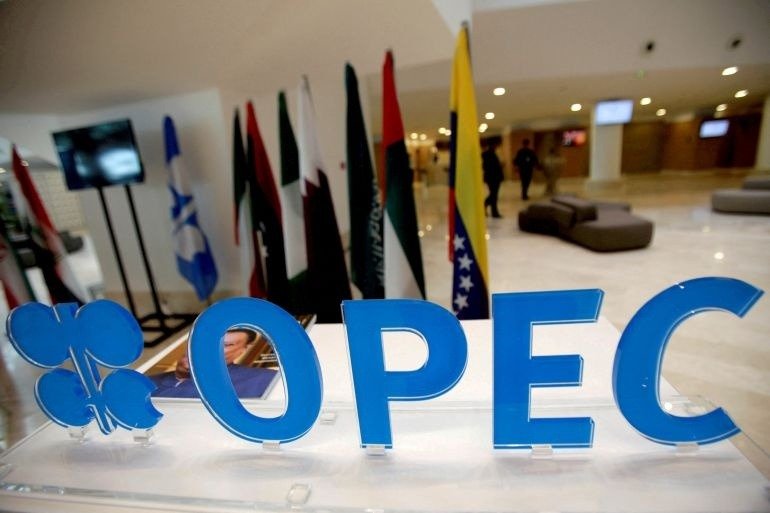
The Geopolitical Shift: Analyzing the UAE’s Historic Exit from OPEC
In a move that has sent shockwaves through global energy markets and redefined Middle Eastern diplomacy, the United Arab Emirates officially announces its withdrawal from OPEC after more than five decades of membership
1 The Catalyst: Divergent National Interests
For decades, the UAE was seen as Saudi Arabia’s most steadfast ally within OPEC. However, the relationship began to fracture due to fundamental conflicts over production strategies and national priorities.
- Massive Infrastructure Investment: The UAE invested billions through ADNOC to increase production capacity to 5 million barrels per day (mbpd)
- The Quota Trap: OPEC+ agreements forced the UAE to leave significant capacity idle, creating a financial bottleneck for its economic diversification plans
- Baseline Disputes: The UAE argued its production baseline was outdated and didn’t reflect its actual capacity, leading to multiple standoffs in Vienna
2 Strategic Rationale: The Decarbonization Race
One of the most significant factors behind the exit is the UAE’s pragmatic view of the global energy transition. Abu Dhabi’s leadership recognizes that oil demand will eventually peak and decline.
By leaving OPEC, the UAE gains:
- Freedom from collective “price over volume” strategies
- Ability to adopt a “volume over price” approach
- Opportunity to maximize revenues before oil becomes a stranded asset
The UAE is positioning itself to be the last major producer standing as the world transitions to renewables, ensuring it can fund its economic diversification before oil demand declines.
3 Economic Implications
The immediate economic effects of the withdrawal are significant:
| Sector | Impact |
|---|---|
| Global Oil Prices | Short-term volatility and downward pressure as markets anticipate increased Emirati production |
| ADNOC Growth | Freedom to accelerate Murban crude futures market and increase direct exports |
| Domestic Diversification | Increased cash flow to fund “Operation 300bn” industrial strategy and AI initiatives |
4 Geopolitical Realignment
The exit represents more than just an oil strategy shift—it’s about asserting national sovereignty. The UAE is positioning itself as an independent middle power with its own foreign policy agenda.
- Relationship with Saudi Arabia: While security ties remain strong, economic competition is intensifying as both nations vie to be the primary regional hub
- Cartel Cohesion: The UAE’s departure follows Qatar (2019) and Angola (2024), suggesting OPEC’s internal cohesion is weakening
- New Alliances: Potential for closer energy cooperation with non-OPEC producers like the US and Canada
5 What Happens Next?
The UAE is unlikely to abandon market stability entirely but will coordinate with major producers on its own terms. Key developments to watch:
- Production Increase: ADNOC expected to ramp up output toward 5 million bpd
- Renewable Investments: Surge in Masdar’s global investments funded by “OPEC-free” oil revenue
- Market Competition: Intensified rivalry between Emirati Murban and Saudi Arab Light for Asian market dominance
The UAE’s exit from OPEC marks the definitive end of an era. It represents a bold calculation that national agility is more valuable than collective bargaining in a rapidly changing world. As the UAE pivots toward a post-oil future, it has determined it can no longer afford to have its pace dictated by the slowest members of a 20th-century cartel.
This move signals that the global energy landscape is entering a new phase where national interests will increasingly take precedence over collective action. The question now is whether other OPEC members will follow suit or if the cartel can adapt to maintain its relevance in the 21st century.













Be First to Comment