
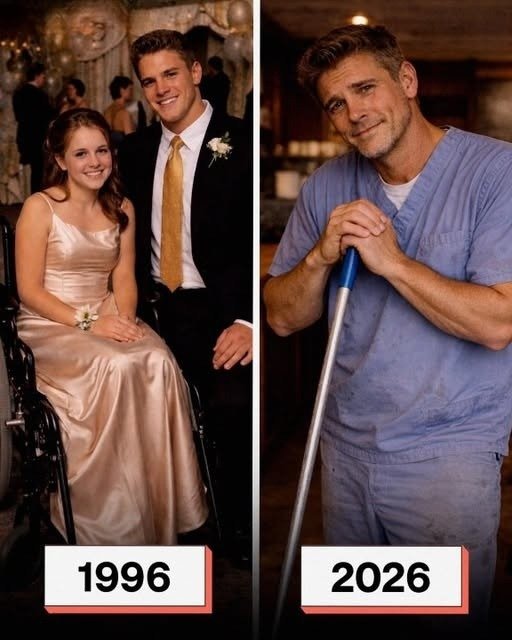
By: Hatim Hegab
At Prom, Only One Boy Asked Me to Dance Because I Was in a Wheelchair
A story of unexpected love, thirty years of separation, and the power of second chances
I expected to be despised, disregarded, and forgotten in a corner when I went to prom six months after a collision left me in a wheelchair.
Then someone came across the room, altered the entire evening, and gave me a memory that I carried with me for thirty years.
I never imagined seeing Marcus once more.
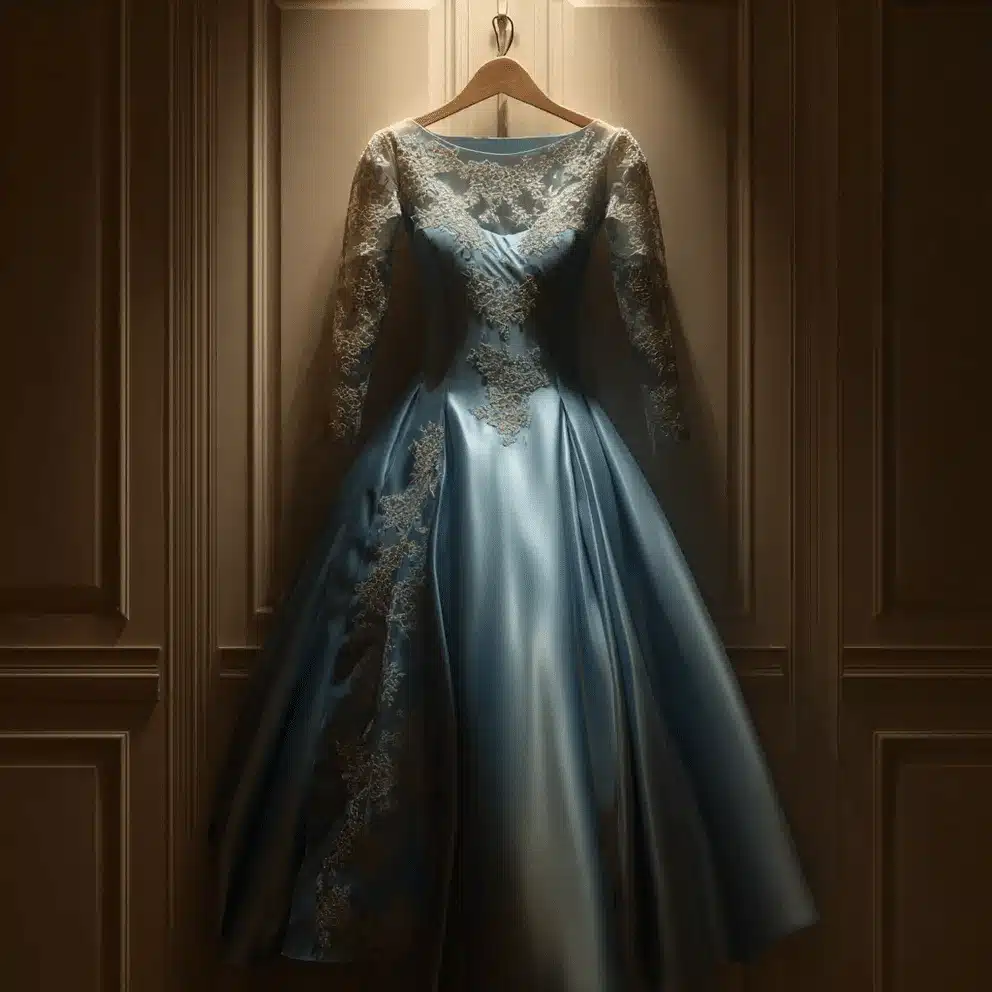
Everything changed when a drunk motorist ran a red light when I was seventeen. I went from fighting with my friends about curfew and trying on clothes to waking up in a hospital bed with physicians chatting around me as if I didn’t exist six months before prom.
I had three broken legs. I had injury to my spine. Rehab, prognosis, and maybe were among the terms used.
When prom finally arrived, I informed my mother that I would not be attending.
She assisted me in putting on my clothing. helped me settle into my chair. helped me enter the gym, where I parked close to the wall and pretended to be okay for the first hour.
They then wandered back in the direction of the dance floor.
“You look fantastic.”
“I’m very happy you came.”
“We ought to snap a photo.”
They then wandered back in the direction of the dance floor. Going back to motion. Life has returned to normal.
Marcus then approached.
Sincerely, I felt he had to mean someone else, so I looked over my shoulder.
He came to a stop in front of me and grinned. “Hello.”
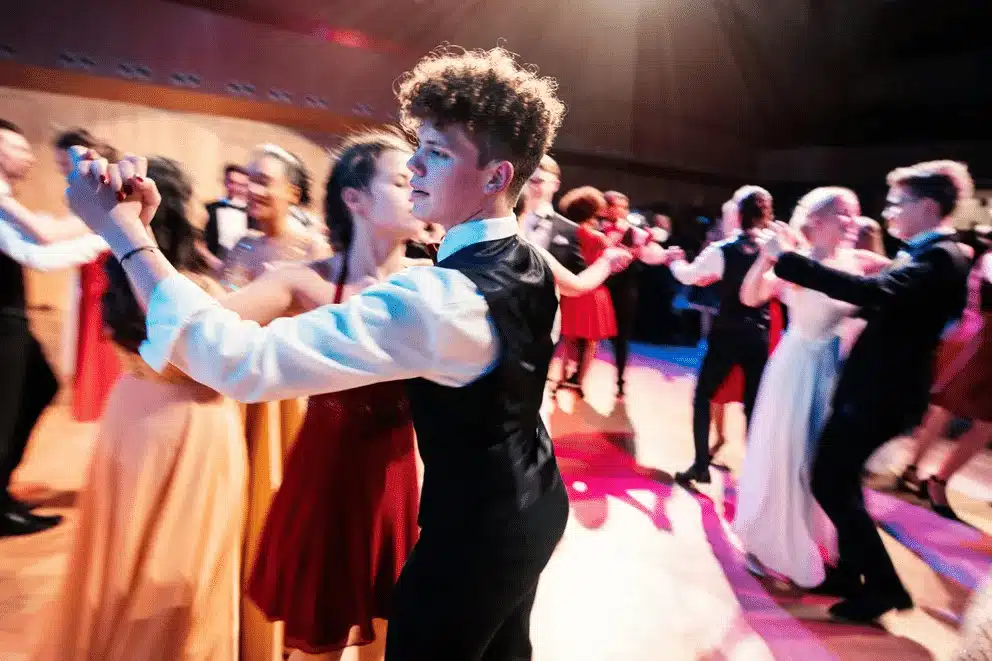
His expression shifted. Softer. “You make a valid point,” he remarked. Then he extended his hand. “Would you like to dance?”
He wheeled me onto the dance floor before I could object. He grasped my hands. Rather than moving around me, he moved with me. Once he saw that I wasn’t afraid, he rotated the chair twice, first more slowly and then more quickly.
He smiled as if we were getting away with something. “For the record, this is insane.”
That dance lasted only a few minutes, but it became the moment that defined my understanding of what true kindness looks like. In a room full of people who saw my wheelchair as a reason to look away, Marcus saw me.
Any hope of seeing him again vanished when my family moved away for long-term rehabilitation following graduation season.
I was in and out of surgery and rehabilitation for two years. I acquired the skill of transferring without falling. I discovered how to walk small distances while wearing braces. Then longer ones that don’t have them. I discovered how easily people mistake mending for survival.
I spent more time in college than anyone I know. Anger proved to be a useful motivator for me to study design. I worked while I was in school. took on drafting jobs that no one was interested in.
I battled my way into companies that valued my ideas far more than my limp. Years later, I was sick of requesting permission to create areas that people could truly utilize, so I founded my own business.
By the time I was fifty, I had a reputable architecture practice, more money than I ever imagined, and a reputation for transforming public areas into places where people weren’t silently excluded.
Then, three weeks ago, I spilled hot coffee all over myself after entering a café close to one of our construction sites.
The lid came off. Coffee spilled onto the floor, the counter, and my hand.
“Great.”
At the bus tray station, a man turned to face me, picked up a mop, and hobbled over.
He had worn a black café apron over faded blue scrubs. I found out later that he worked the lunch rush at an outpatient clinic right after his morning shift.
He wiped up the spill. snatched napkins. said, “Another coffee for her.” to the cashier.
The following afternoon, I returned.
He waited for a half-beat before looking up at me. “I apologize,” he said. “You look familiar.”
After examining my face with a grimace, he shook his head. “Maybe not. Long day.”
The following afternoon, I returned.
Without asking, he took a seat across from me.
He was cleaning the tables close to the windows. “Thirty years ago, you asked a girl in a wheelchair to dance at prom,” I said when he reached mine.

His hand came to a halt on the table.
He looked up slowly.
I watched it fall in fragments. First, the eyes. My voice came next. Next, the recollection.
After thirty years of carrying the weight of that prom night alone, we both realized we didn’t have to navigate life’s challenges in isolation anymore. Sometimes the people who change our lives are the ones we never expect to see again.
He soon began assisting with coach training at our new facility. Mentoring damaged teenagers comes next. Then he would speak at gatherings where no one else could express themselves as clearly as he could.
He was told by a child, “If I can’t play anymore, I don’t know who I am.”
Months into all of this, my mother asked for prom photos for a family album, so one night I was at home looking through an old memento box. Without giving it any thought, I brought the picture of Marcus and me that I had discovered on the dance floor to the office.
He gave me a look that suggested that was the most ridiculous thing he had ever heard.
He cautiously picked it up.
He gave me a look that suggested that was the most ridiculous thing he had ever heard.
That sentence ultimately broke me after thirty years of poor timing and unresolved emotions. Now we’re together, slowly, like scarred adults who understand that life might turn against you, but also that second chances can heal old wounds.
There was music in the main hall during our community center’s opening last month.
This story explores themes of unexpected kindness, the power of human connection, and how small moments can change lives in profound ways. While inspired by real experiences of resilience and second chances, it is a work of fiction.








Be First to Comment