

In our interconnected world, the movement of people across borders has become a defining feature of the 21st century. Whether for work, education, safety, or better opportunities, millions of people move between countries every year. Understanding the terminology of human movement is crucial for discussing this important phenomenon accurately.

Posts published by “Hatim Hegab”
As the crescent moon signals the beginning of a new Hijri year, Muslims around the world pause to reflect on the profound significance of this moment.


In a move that has sent shockwaves through global energy markets and redefined Middle Eastern diplomacy, the United Arab Emirates officially announces its withdrawal from OPEC after more than five decades of membership

Contemplating the ultimate journey and finding solace in divine mercy. What is this journey? How will it be? How shall we tackle it?
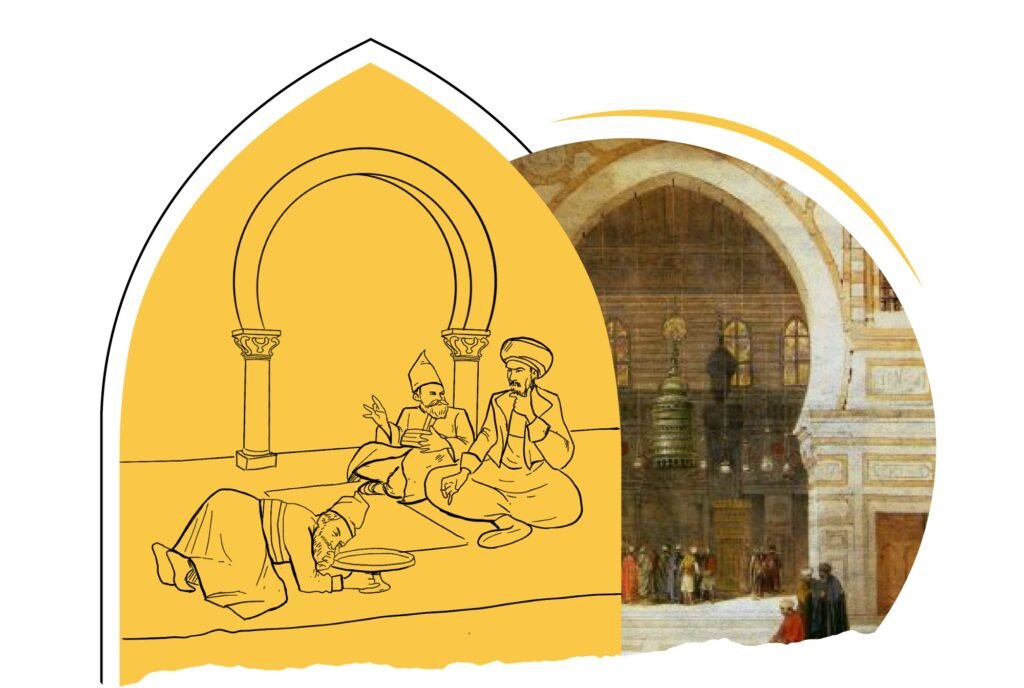
Under the Abbasid Caliphate, the Barmakids rose to a position of great authority within the empire. This period of prosperity ended abruptly during the rule of Harun al-Rashid, whose sudden shift in favor led the family into a period of severe hardship. In this first part, we explore their remarkable rise and fall.
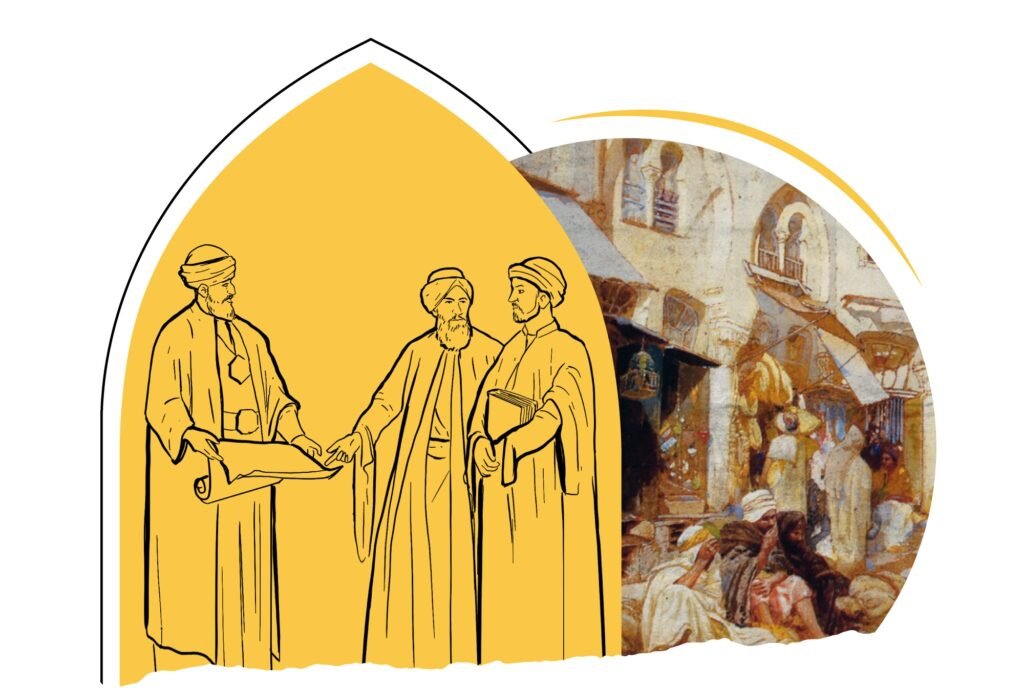
In this part, we show how the period of prosperity of the Barmakids ended abruptly during the rule of Harun al-Rashid, whose sudden shift in favor led the family into a period of severe hardship. In this first installment, we explore their remarkable rise and fall.

A story of unexpected love, thirty years of separation, and the power of second chances

FY27 budget projects growth on historic manufacturing and trade activity, but mayor warns property tax proposals could put Stillwater's bonds at risk
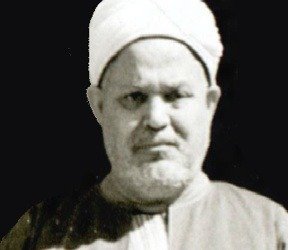
Professor Sheikh Ahmad al-Iskandari (1875-1938) was the dean of Arabic language and literature professors in his generation. He traveled to Cairo on foot to seek knowledge.

How a man's generosity in hardship revealed his true character and earned him honor from the Caliph
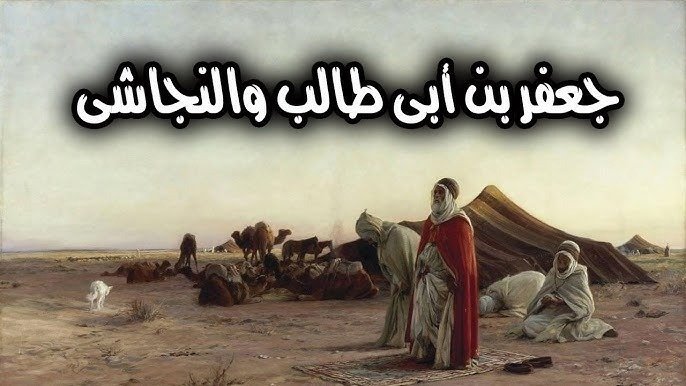
When the news of the battle of Badr reached the Negus, the king of Abyssinia, he summoned Ja'far ibn Abi Talib to inform him, and this is how the dialogue went.

The description of wives in the Qur'an took three different forms: woman, wife, and companion. What is the difference between the three uses, and how did God show us that the house of Abu Lahab wasn't founded on good relations between Abu Lahab and his "woman"?

Dr. Crane was one of America's most prominent strategic experts. In 1962, he co-founded the Center for Strategic and International Studies (CSIS), the first Washington-based research center specializing in foreign policy.