Press "Enter" to skip to content

Posts published in “Articles”

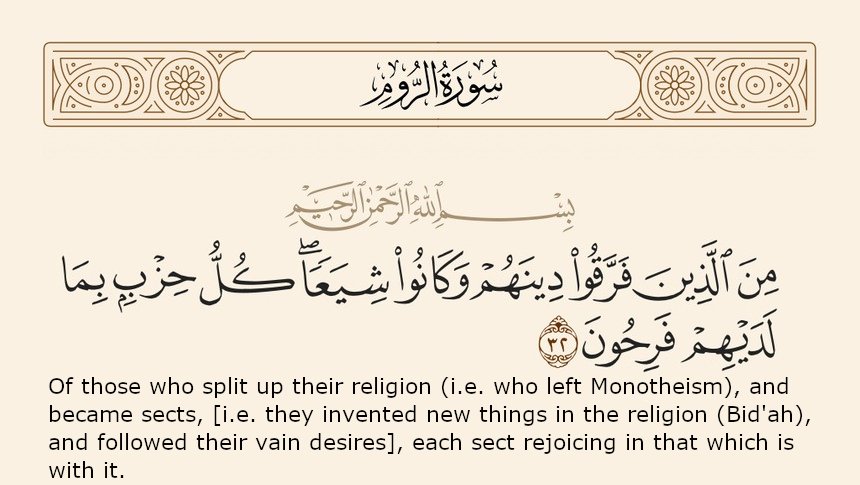
How And When Different Churches Emerged?

When I asked a search engine how many different Christian denominations there are, the answer was startling: at least 45,000.

In this article, we will survey some of these denominations, focusing on the major branches and their prominent sub‑branches. These “types of Christianity” represent distinct traditions and communities, reflecting the continuous changes, divisions, and additions that have developed within the faith over time.


Everyone Should Carry Their Responsibility

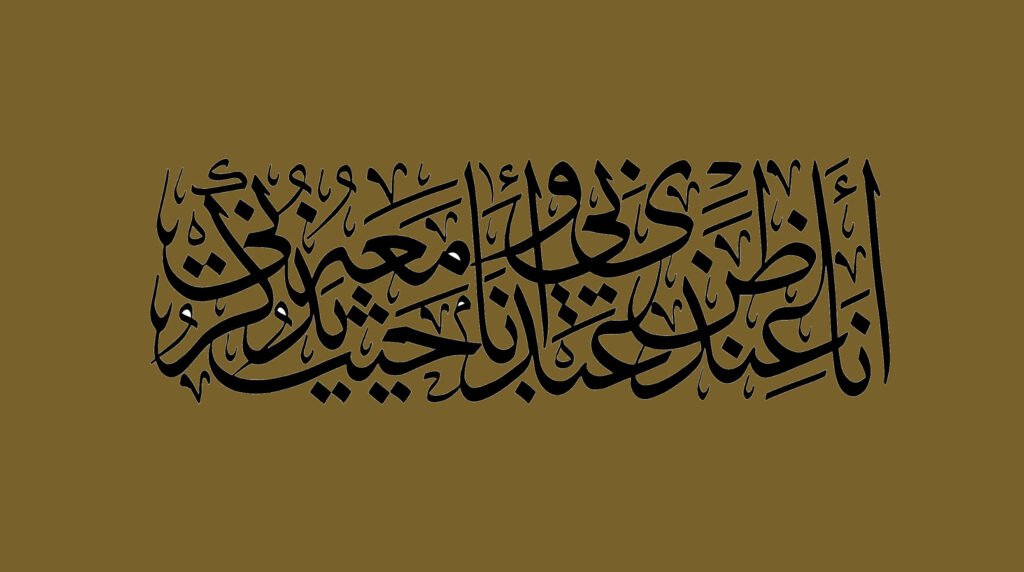
In this hadith, the Prophet (peace be upon him) teaches us the true meaning of responsibility.
In Islam, every person has a specific duty that they are accountable for and must uphold. Leaders have their own responsibilities and will be questioned by God about how they fulfilled them. Likewise, a man is responsible for his household—his wife and children—their food, clothing, education, upbringing, and religious guidance. Every member of society carries their own share of responsibility as well, according to their role and position.

Among The People Are Those Of Sweet Words

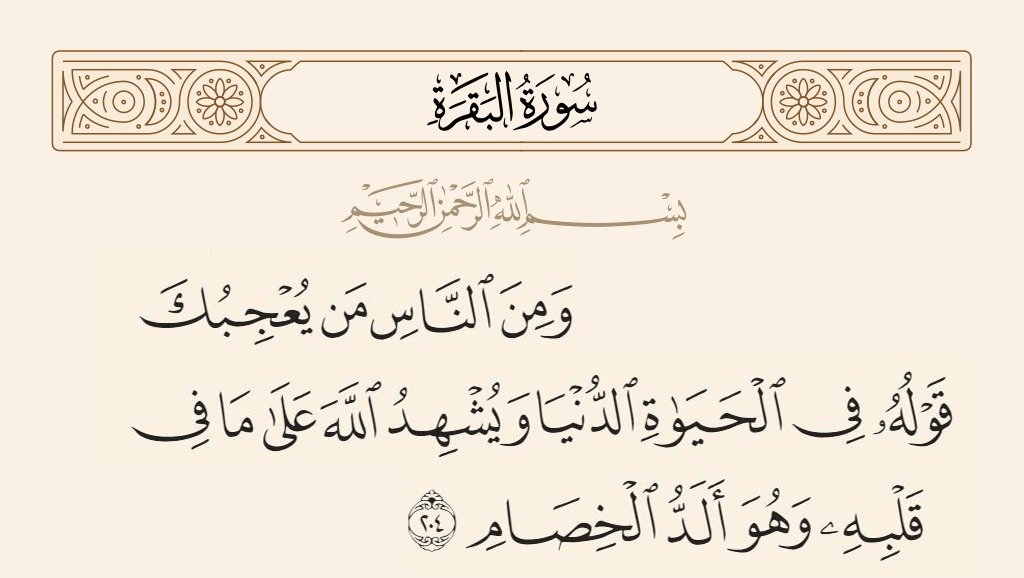
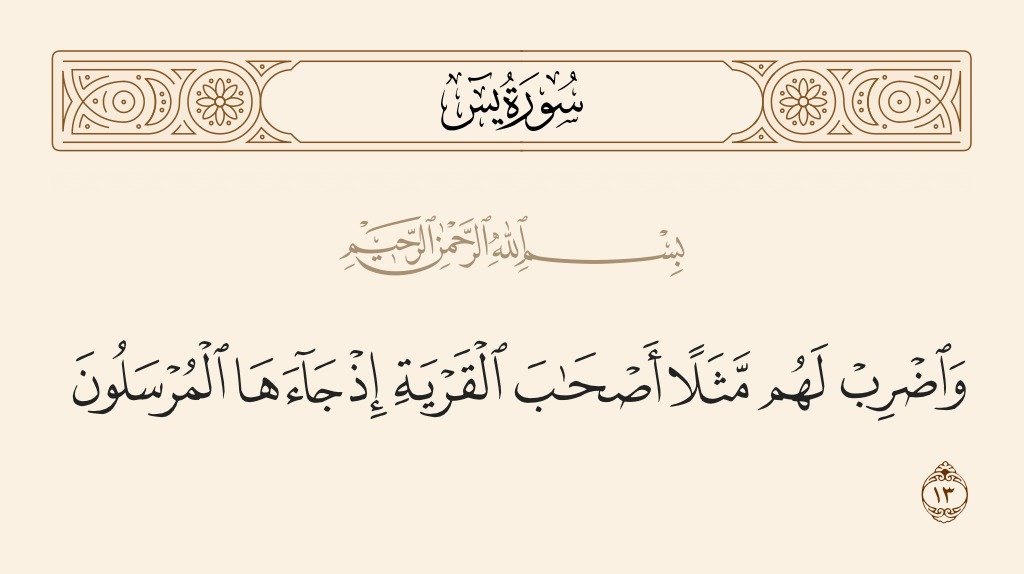
And among the people is he whose speech about the life of this world impresses you, and he even calls upon Allah as a witness to what is in his heart, yet he is the most severe of opponents. But when he turns away, he strives throughout the land to spread corruption therein and to destroy crops and offspring; and Allah does not love corruption. And when it is said to him, ‘Fear Allah,’ pride in sin takes hold of him. Then Hell is sufficient for him, and how wretched a resting place it is. (Qur'an 2: 204-206)

Secrecy vs Transparency – Everyone Is Entitled To His Actions

On January 26, 2026, The AsSiddique Post received documented information indicating that many ongoing issues at the Islamic Center are not simply the result of personal differences, as previously assumed, but arise from deeper and more serious problems within the community.

A Better End

We often worry about how we will die. Will it be peaceful? Will it be sudden? Will we have time to repent? But the truth that liberates us from this anxiety is profound: A good ending (Husn al-Khatimah) is not about the manner of your death — it's about the quality of your life.

The Night of the Mid of Sha’baan

The Night of Mid-Sha’ban, known in Arabic as Laylat al-Nisf min Sha’ban, is one of the greatest nights of the year. In the Islamic understanding, the night precedes the day so it falls on the night before the fifteenth day of Sha’ban. ‘Ata’ bin Yasar, who narrated hadith from the Companions, said that after Laylat al-Qadr, there is no night better than the Night of Mid-Sha’ban. Its greatness is due to the divine gifts that are bestowed during it.

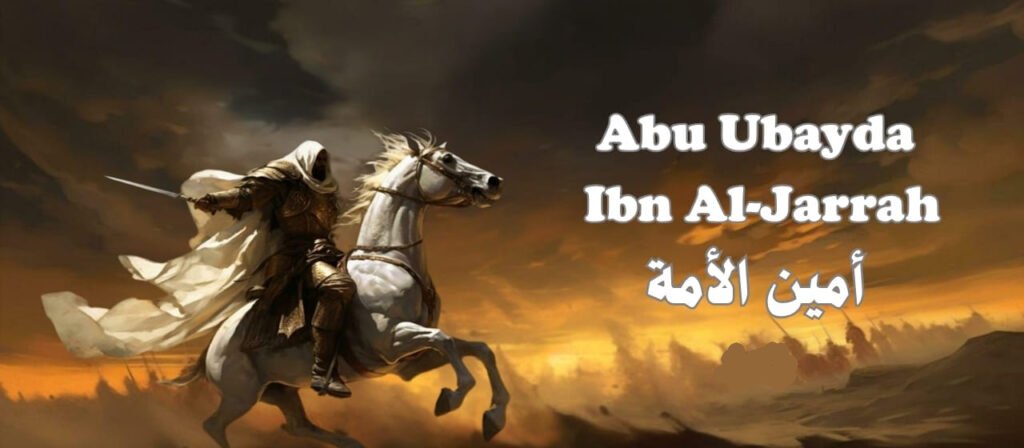
Abu Ubaydah ibn al-Jarrah – The Trustee of The Ummah

A Muslim commander and one of the Companions of the Prophet. He is mostly known for being one of the ten to whom Paradise was promised. He was the commander of a large section of the Rashidun Army during the time of the second Rashidun Caliph Umar. He was on the list of Umar's appointed successors to the Caliphate, but died during the Plague of Amwas in 639 before Umar.

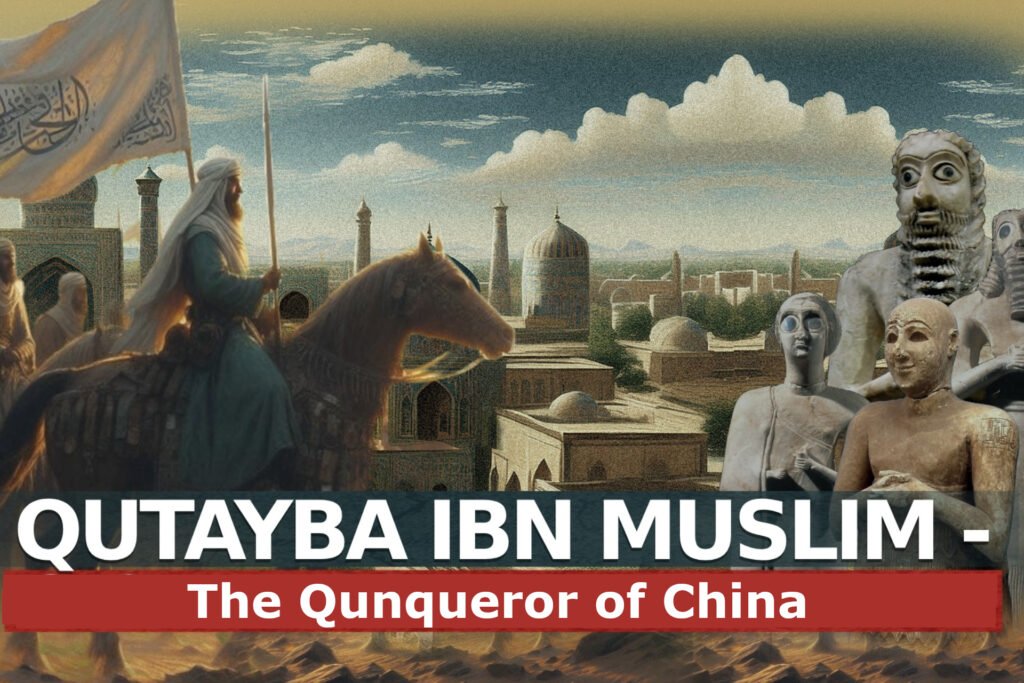
Qutaybah Ibn Muslim Al-Bahili

Qutayba was an Arab commander of the Umayyad Caliphate who became governor of Khurasan and distinguished himself in the conquest of Transoxiana during the reign of al-Walid I (705–715). A capable soldier and administrator, he consolidated Muslim rule in the area and expanded the Caliphate's border to include most of Transoxiana. From 705 to c. 710, he consolidated Muslim control over the native principalities of Tokharistan and conquered the principality of Bukhara, while in 710–712 he conquered Khwarizm and completed the conquest of Sogdiana with the capture of Samarkand. The latter opened the road to the Jaxartes valley, and during the last years of his life Qutayba led annual campaigns there, extending Muslim control up to the Fergana Valley and parts of Chinese Turkestan.