

There is a timeless adage that states: "There is only one method to avoid criticism: do not say anything, do not do anything, and be nothing." This statement encapsulates a profound paradox about human existence and the nature of criticism. It suggests that the only way to completely avoid criticism is to live a life of complete inaction and silence. But is this truly a life worth living?
Posts tagged as “articles”

Sawdah bin Zam'ah, the second wife of The Prophet, peace and blessings of Allah be upon him. Her story, her life and her death.
Khalid ibn al-Waleed, or, as he was called by the Prophet Muhammad, pbuh, 'The Drawn Sword of God,' never lost a battle, neither before nor after Islam.
In this article, we show the final moments of his life while on his deathbed. What he did, what he said, and the message he left to Omar ibn Al-Khattab. We also explain why he was not destined to die on a battlefield.

Muawiya ibn Abi Sufyan asked one of his friends, after being the Caliph, to describe Ali ibn Abi Talib, and this is the story of what happened
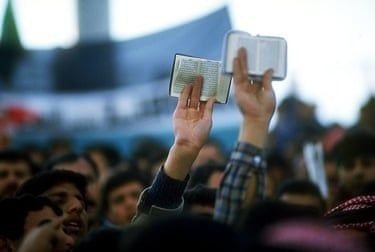
Since the early turmoil caused by the Khawārij, no trial has afflicted the Muslim community as deeply as that posed by the group known as “the Muslim Brothers” – commonly, and in my view mistakenly, referred to as the “Muslim Brotherhood” or as they are known in Arabic, The Ikhwan.
Ironically, in all their rallies, they raise copies of the Qur'an, just as the Khawarij did on the days of Ali ibn Abi Taleb.
يا أمير المؤمنين: عدلت فعدلوا، ولو رتعت لرتعوا
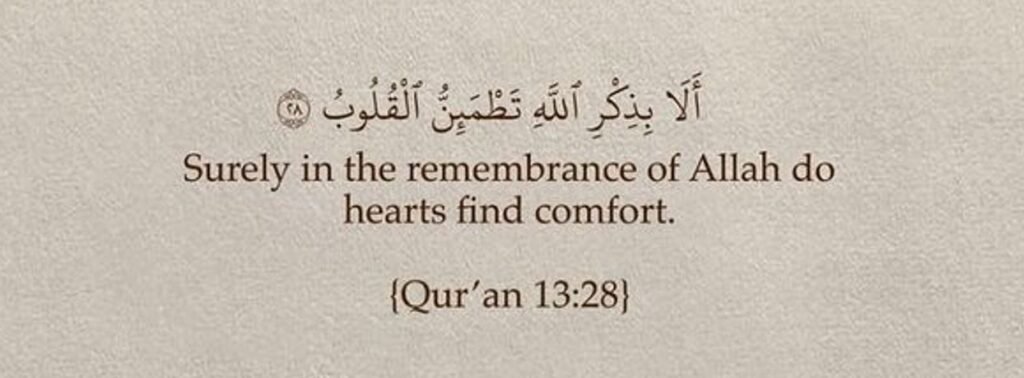
Among the teachings of the Prophet, pbuh, are many instructions for making Zikr, remembrance, of Allah, Subhanahu Wa Ta'aala. In this article, we explain some of the benefits of committing to Zikr.
Here is a lesson from the Prophet, pbuh, that tells us the story of the Hadith, "Life is not worth a wing of a mosquito." Which means that this life, Donya (the lower life), is not worth what a mosquito can carry on her wings.
It also shows how much the Prophet loved his daughter, Fatima, and how devoted she was to her father, pbuh.

Washington State has officially recognized Eid al-Fitr and Eid al-Adha as state holidays of observance, and also issued a proclamation recognizing the blessed month of Ramadan.

Trump says he will raise global tariffs to 15% after Supreme Court decision
How to Lie with Statistics by Darrell Huff is a concise, witty, and enduring guide that teaches readers how to evaluate statistical claims critically. First published in 1954, the book remains highly relevant despite its age, offering timeless lessons on spotting statistical manipulation in media, advertising, and public discourse.
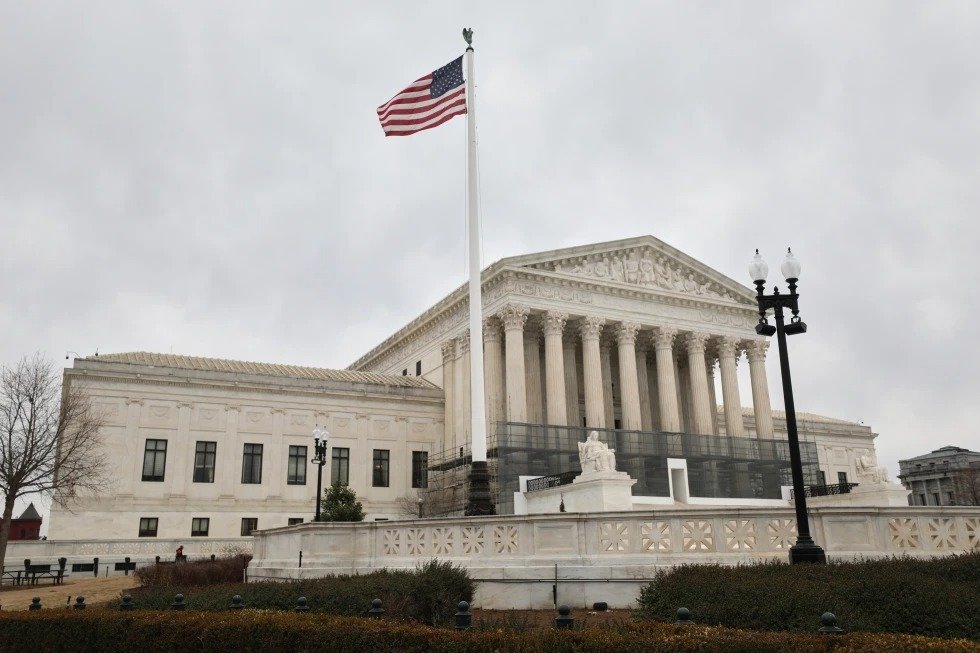
The Supreme Court has struck down President Donald Trump’s far-reaching global tariffs, handing him a significant loss on an issue crucial to his economic agenda

He was seen giving to the poor, distributing his wealth to those in need. A friend approached him with concern: "Aren't you afraid that hard times might come and you'll need this money?" The answer came with such certainty that it stopped everything: "How can I fear, when the spenders are like the martyrs, ' No fear shall be upon them, nor shall they grieve'?"
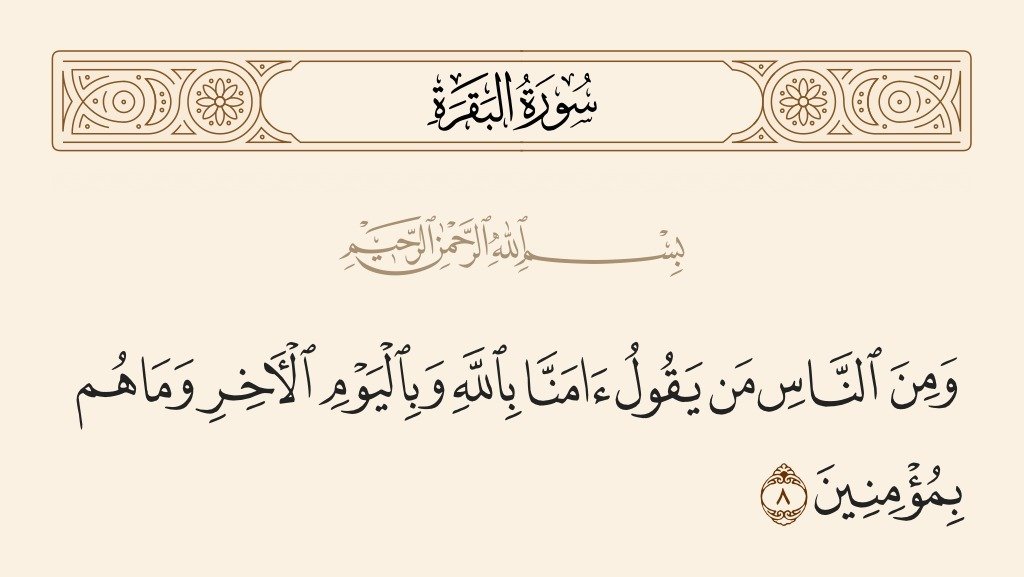
Qur'an verse 2:8 is more than a warning to the Prophet of a third type of people whom never met before migrating to Yathrib. But it is also a warning to us.

Amr ibn Al-Jam'ouh, the man who insisted to tread Jana with his lame leg.