
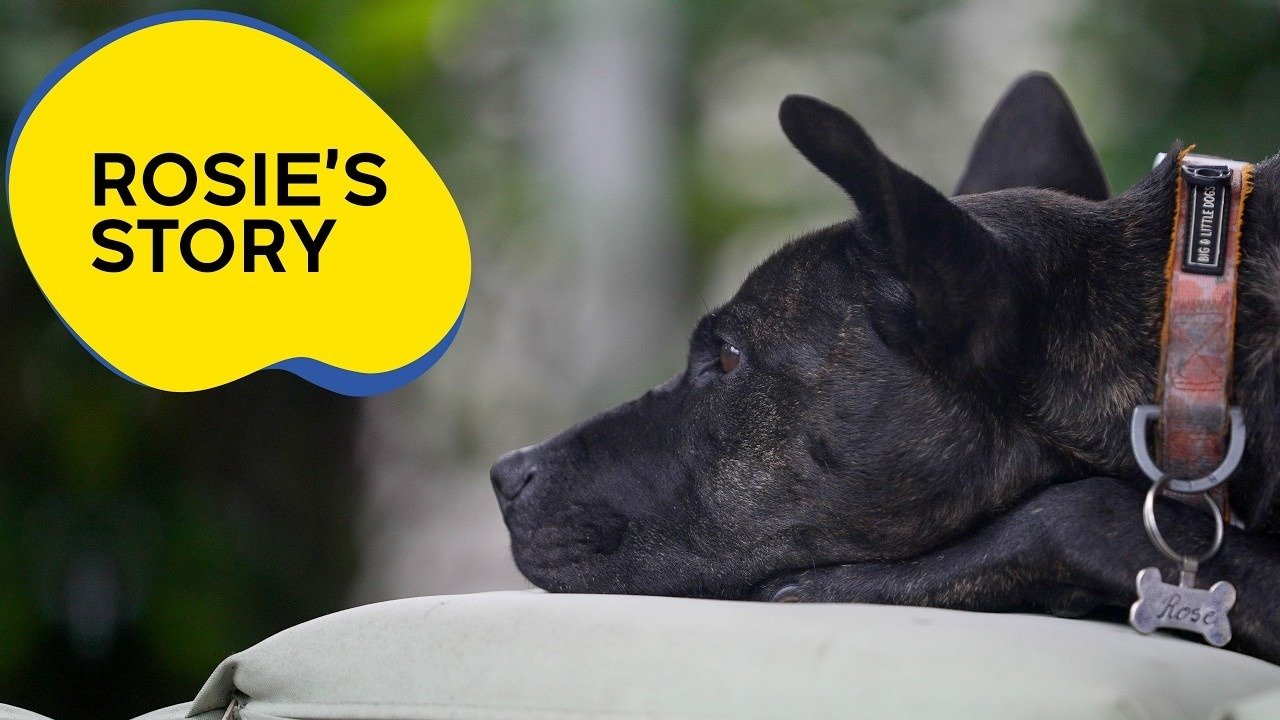
AI Helps Create First Personalized Cancer Vaccine for a Dog
How ChatGPT and AlphaFold Saved Rosie’s Life
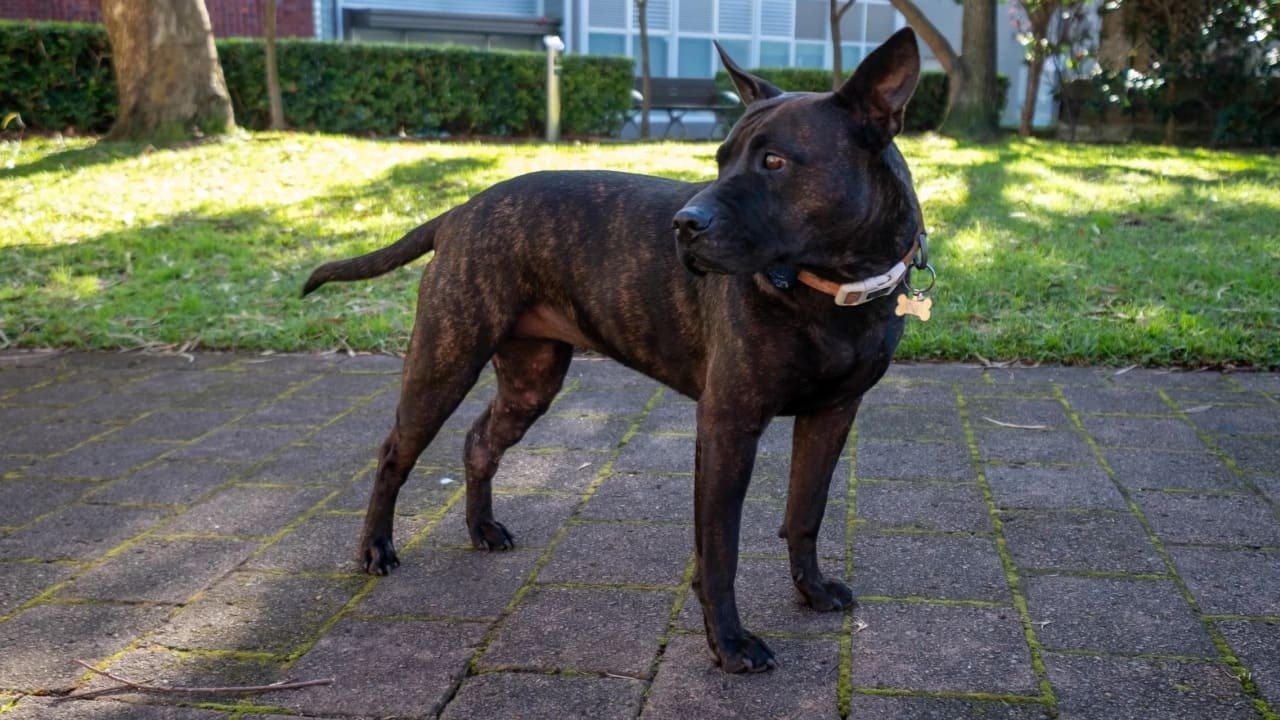
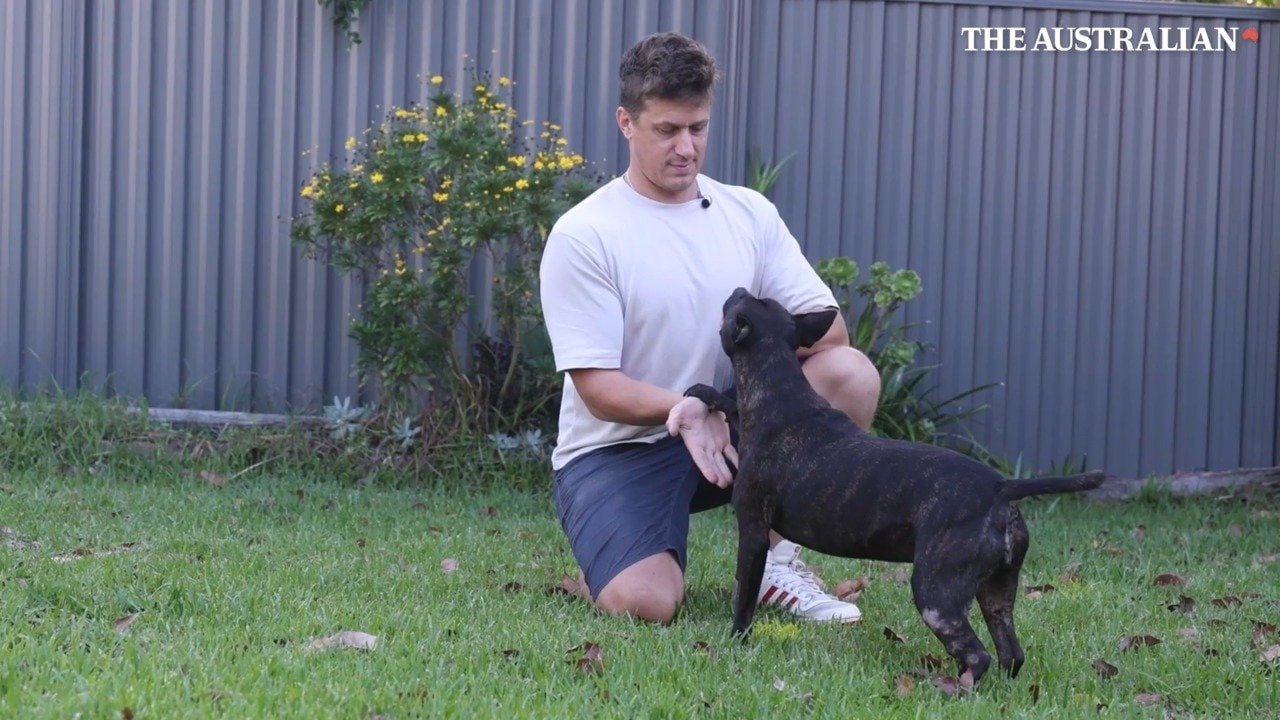
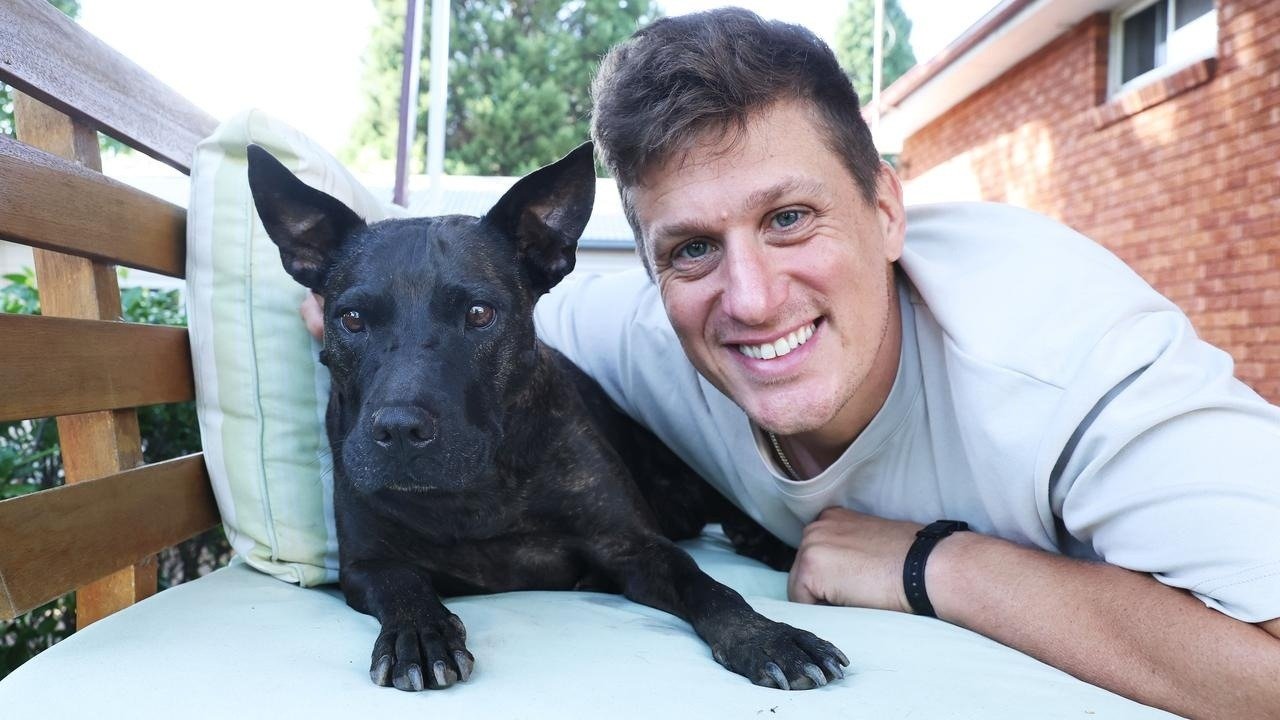
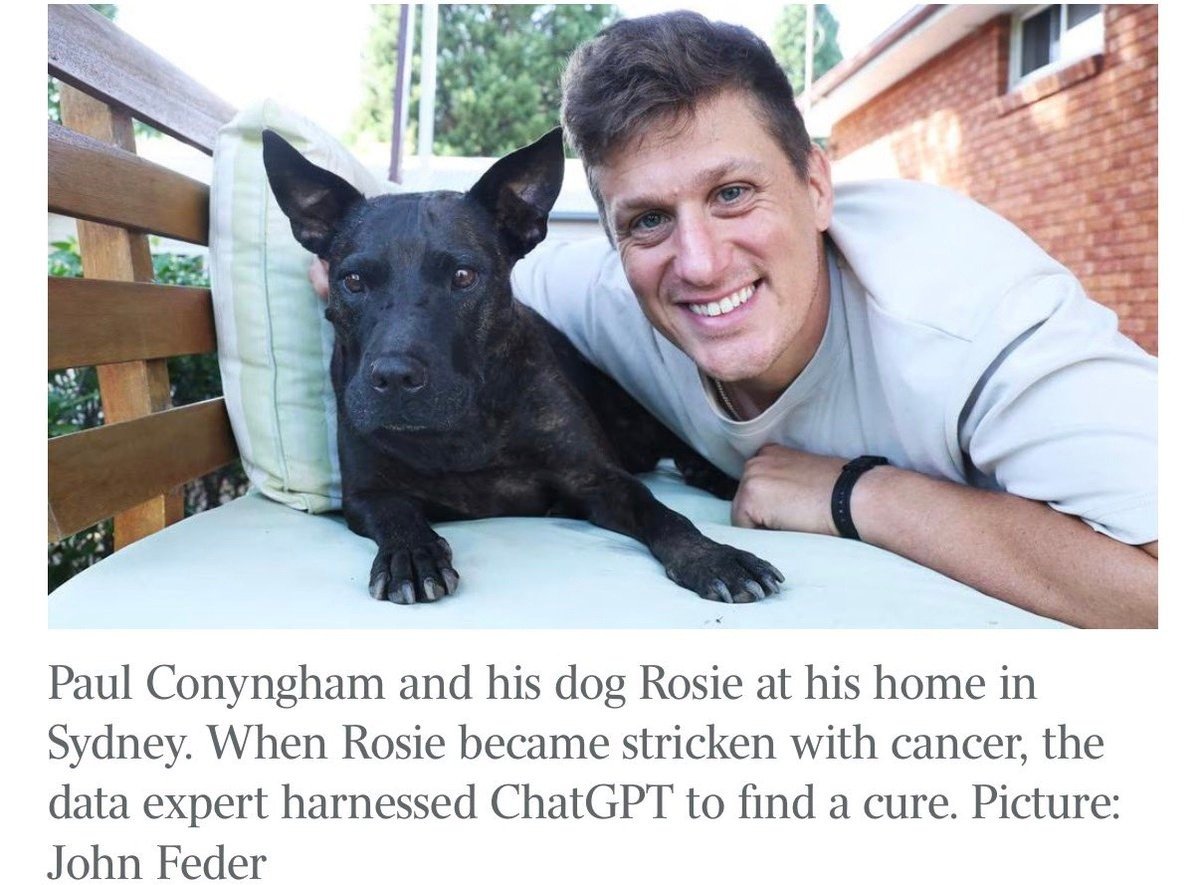
In 2024, Sydney tech entrepreneur Paul Conyngham found out his dog Rosie had cancer. But after attacking the diagnosis with chemotherapy and surgery, the tumors persisted and Rosie got sicker. So he turned to AI and eventually developed a custom mRNA cancer vaccine with the help of Australian scientists. Most of Rosie’s tumors have shrunk, and the dog is back chasing rabbits.
The AI-Powered Breakthrough
OpenAI’s ChatGPT suggested immunotherapy and directed Conyngham to the University of New South Wales Ramaciotti Center for Genomics, according to a report in the Australian. While Conyngham doesn’t have a background in medicine, he is an electrical and computing engineer who cofounded Core Intelligence Technologies. He was also a director for the Data Science and AI Association of Australia.
After reaching out to the university, he convinced researchers there to help him and paid UNSW for Rosie’s genomic sequencing. Then he started digging into the DNA. “I went to ChatGPT and came up with a plan on how to do this,” Conyngham told the Australian.
Conyngham used AlphaFold, an AI tool from Google’s DeepMind, to find mutated proteins that could be potential targets for treatment. While an immunotherapy treatment that looked like a good fit for Rosie was identified, the drugmaker wouldn’t provide it. That’s when the real innovation began.
From Data to Treatment
Nanomedicine pioneer Pall Thordarson, director of UNSW’s RNA Institute, stepped in and used Conyngham’s data to develop a bespoke mRNA vaccine in less than two months. “This is the first time a personalized cancer vaccine has been designed for a dog,” he told the Australian.
Thordarson emphasized what Rosie’s case demonstrates: “What Rosie is teaching us is that personalized medicine can be very effective, and done in a time-sensitive manner, with mRNA technology.”
Rosie got her first injection of the cancer treatment this past December, then received a booster in February. Most of her tumors have already shrunk dramatically. And while they haven’t disappeared, Rosie’s health has improved significantly.
Democratizing Medicine
In a thread on X Saturday, Thordarson said Rosie’s story demonstrates that technology can “democratize” the process of designing cancer vaccines. He cautioned that Rosie may not be cured as some tumors haven’t responded to the vaccine, though it bought her more time. Still, Conyngham will take it.
“In December she had low energy because the tumors were creating a huge burden for her,” he told the Australian. “Six weeks post-treatment, I was at the dog park when she spotted a rabbit and jumped the fence to chase it. I’m under no illusion that this is a cure, but I do believe this treatment has bought Rosie significantly more time and quality of life.”
Rosie’s journey has stunned some people in the tech world while also pointing to AI’s potential to produce breakthroughs in medicine, perhaps turning diagnoses once considered death sentences into routine ailments. Matt Shumer, cofounder and CEO of OthersideAI, took to X over the weekend to flag the story: “This is what I mean when I say the world is going to get very weird, very soon. Expect more stories like this, each sounding increasingly more insane.”
A New Era of Personalized Medicine
What makes Rosie’s case particularly significant is not just the successful treatment, but the methodology behind it. The combination of accessible AI tools like ChatGPT and AlphaFold, combined with academic research facilities and dedicated scientists, created a pathway that could be replicated for other patients—both animal and human.
The speed of development is equally remarkable. Traditional drug development takes years, sometimes decades. The bespoke mRNA vaccine for Rosie was developed in less than two months. This acceleration, powered by AI’s ability to analyze vast amounts of genomic data and identify potential treatment targets, represents a fundamental shift in how we approach personalized medicine.
While Rosie’s story offers hope, it also raises important questions about access, cost, and the future of veterinary and human medicine. If a determined individual with the right connections and resources can create a personalized cancer vaccine for their dog, what does this mean for the broader healthcare system? How can we ensure such breakthroughs become available to everyone, not just those with the means and knowledge to navigate this new landscape?
For now, Rosie continues to chase rabbits in Sydney dog parks—a living testament to human ingenuity, artificial intelligence, and the lengths we’ll go to save those we love. Her story marks not an ending, but a beginning: the dawn of an era where AI and personalized medicine converge to fight diseases in ways we’re only beginning to understand.




















Be First to Comment