

Hind bint Utbah was a prominent Arab woman from Mecca, born into the influential Quraysh tribe as the daughter of Utba ibn Rabi'a, a leading opponent of Islam. She was the wife of Abu Sufyan ibn Harb and the mother of Mu'awiya I, the founder of the Umayyad dynasty.
Posts published in “Biography Of the Companions”
Biography of the Companions
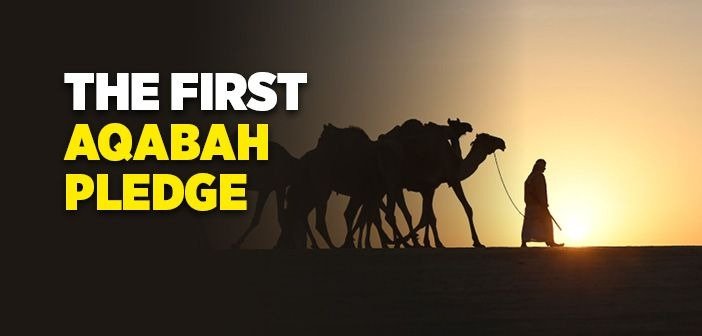
The Pledge of Aqaba was a turning point in the Prophet Muhammad's message, the history of Islam, and the history of Muslims.
The Pledge of Aqabah refers to two pivotal oaths of allegiance taken by Muslims from Yathrib (later Medina) to Prophet Muhammad (PBUH), occurring in 621 CE (Year 12 of Prophethood) and 622 CE (Year 13 of Prophethood), respectively. These pledges were crucial in preparing for the Hijrah (migration) from Mecca to Medina.

Tamīm ibn Aws al-Dārī (died 661 AD) was a companion of the Prophet Muhammad, peace and blessings be upon him, and an early convert from Christianity to Islam. In Islamic eschatology, he is known for encountering *Dajjal* during one of his journeys.

The Prophet (PBUH) summoned ‘Amir and addressed him with a stern, powerful question: “Why would one of you kill his brother? Why did you not say ‘Barak Allahu Lak’ (May Allah bless you) when you saw what you liked?”

A female companion of the Prophet Muhammad, peace and blessings be upon him. She is the one who pleaded (argued) with the Prophet when her husband "Aws ibn As-Samit" made Zihar with her.
Surah Al-Mujadilah (The Pleading Woman) was revealed to the prophet in response to her plead. She was mentioned in the Surah as the "pleading (woman)".

Saeed ibn Al-Harith is one of the Tabeen (Tabeen are the followers of the companions of the Prophet, pbuh). Saed was a good Muslim and used to do a lot of worship and Nafl for the sake of Allah.
In this piece we recount the last three days of his life and the miracle and blessings he was bestowed with.
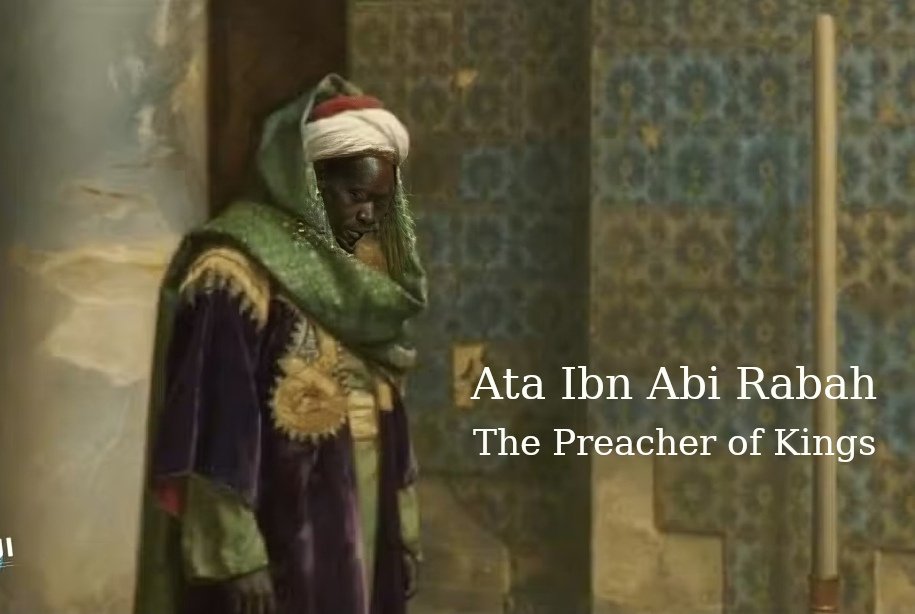
Ata ibn Abi Rabah was a prominent early Muslim jurist and hadith transmitter of Nubian origin, serving as the mufti of Mecca in the late seventh and early eighth centuries. He is considered a leading figure of the early Meccan school of fiqh.

Dirar ibn al‑Azwar (also spelled Dhiraar), may Allah be pleased with him, was one of the fierce warriors and noble Companions of the Prophet Muhammad, peace and blessings be upon him. He belonged to the tribe of Banū Asad, the son of a tribal chief known as al‑Azwar Mālik, and was renowned even before Islam…
This isn’t a scene from a movie or a fantasy novel. Imagine being so skilled in combat that your name alone becomes a weapon. Imagine facing one hundred enemy champions in single combat and defeating every single one.


His restraint and refusal of high office did not paralyze the judicial function, nor did it open the door for the unqualified. Rather, Ibn Umar chose to devote his time to purifying his soul through increased worship and obedience. In that phase of Islamic history, life had become more comfortable and luxurious, wealth more abundant,…
When he reached the peak of his long life, he said, “I pledged allegiance to the Prophet (PBUH), and I have never broken that pledge nor turned to anything else to this day. I never gave allegiance to those involved in civil strife, nor did I ever disturb a sleeping Muslim.” These words summarize the…

Here, the greatness of Muhammad (PBUH), the Messenger of Allah, becomes clear. He did not want internal strife or civil war, even if there was a chance—or even a strong likelihood—of his victory. Here, his compassion and humanity shine: he could not bear to see people persecuted because of him, even though he knew well…
We now see him in Ta’if, taking shelter in an orchard, its walls shielding him from his pursuers. His right hand was raised toward heaven in supplication to Allah, while his left hand shielded his face from the stones. He called upon his Creator and Lord: “If You are not angry with me, then I…