
Nano-Robots Can Dissolve Arterial Plaque in Six Hours, Scientists Report
Revolutionary microscopic machines navigate bloodstream to clear blocked arteries without surgery, offering new hope for millions with heart disease
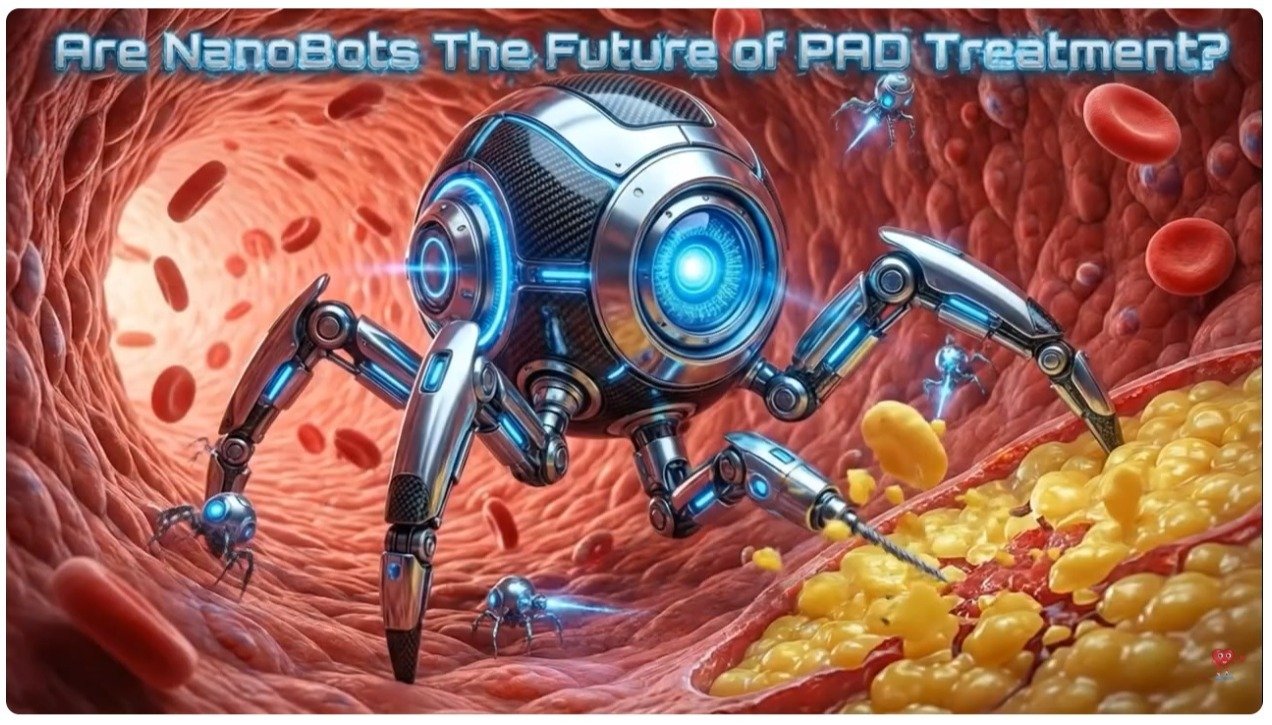
Scientists have developed nano-robots capable of swimming through human bloodstreams and dissolving arterial plaque in just six hours, marking a revolutionary breakthrough in cardiovascular medicine.
These microscopic robots are designed to navigate the circulatory system, locate blocked arteries, and target hardened plaque deposits with extreme precision — a capability that could transform how heart disease is treated and potentially save millions of lives.
A Non-Invasive Alternative to Surgery
The breakthrough offers a non-invasive alternative to stents, bypass surgery, or other cardiovascular interventions — procedures that currently carry significant risks, require lengthy recovery periods, and can involve complications.
Early laboratory studies demonstrate that these nanorobots can rapidly clear arterial blockages, restoring blood flow and reducing the risk of heart attacks or strokes. Because the treatment is minimally invasive, it significantly reduces recovery time, pain, and complications associated with conventional procedures.
Arterial plaque is a buildup of cholesterol, fat, calcium, and other substances in the walls of arteries. Over time, this accumulation hardens and narrows the arteries, restricting blood flow to vital organs. This condition, called atherosclerosis, is a leading cause of heart attacks, strokes, and cardiovascular death worldwide.
Precision Targeting Without Collateral Damage
What sets this technology apart is its remarkable precision. The nano-robots can distinguish between diseased tissue and healthy vessel walls, targeting only the problematic plaque deposits while leaving surrounding tissues completely intact.
- Minimally Invasive: No need for open-heart surgery or large incisions
- Rapid Treatment: Plaque dissolution occurs in just six hours
- Precision Targeting: Only diseased tissue is affected; healthy tissue remains undamaged
- Reduced Recovery Time: Patients can return to normal activities much faster
- Lower Complication Risk: Fewer surgical risks compared to bypass or stent procedures
- Accessibility: Can reach areas too risky or difficult for conventional surgery
Beyond Heart Disease: Future Applications
Researchers believe that this technology could revolutionize heart disease treatment, offering rapid and targeted plaque removal while preventing long-term cardiovascular complications. But the potential applications extend far beyond arterial plaque.
The technology also opens possibilities for customizable nano-robotic therapies for other conditions, such as thrombosis (blood clots), pulmonary embolisms, or even targeted drug delivery to specific organs or tumors.
Cardiovascular disease remains the leading cause of death globally, claiming an estimated 17.9 million lives each year, according to the World Health Organization. Heart attacks and strokes account for the majority of these deaths, often caused by blocked arteries.
Current treatments — while effective — are invasive, expensive, and not accessible to everyone. A non-invasive, rapid solution could dramatically reduce mortality rates and improve quality of life for millions.
The Power of Nanotechnology in Medicine
This breakthrough highlights the transformative power of nanotechnology in medicine. By engineering machines at the molecular level, scientists can create tools that interact with the human body in ways that were once the realm of science fiction.
The development represents years of interdisciplinary research combining robotics, chemistry, biology, and materials science. The nano-robots must be biocompatible, able to navigate the complex circulatory system, and capable of performing precise chemical reactions — all without triggering an immune response.
Early laboratory tests have successfully demonstrated the nano-robots’ ability to dissolve plaque in controlled environments.
Researchers will need to conduct extensive animal studies to evaluate safety, efficacy, and potential side effects in living organisms.
If animal trials prove successful, the technology will move to human clinical trials in multiple phases to test safety and effectiveness in patients.
Before becoming widely available, the treatment must receive approval from regulatory agencies such as the FDA or EMA, a process that typically takes several years.
A New Era in Cardiovascular Care
If the technology successfully completes clinical trials and receives regulatory approval, it could represent one of the most significant advances in cardiovascular medicine in decades.
The ability to clear arterial blockages quickly, safely, and non-invasively could fundamentally change how doctors approach heart disease — shifting from managing chronic conditions to actively reversing them before they become life-threatening.
Disclaimer: This article is for informational purposes only and does not constitute medical advice. Readers should consult qualified healthcare professionals for diagnosis and treatment of cardiovascular conditions.














Be First to Comment