
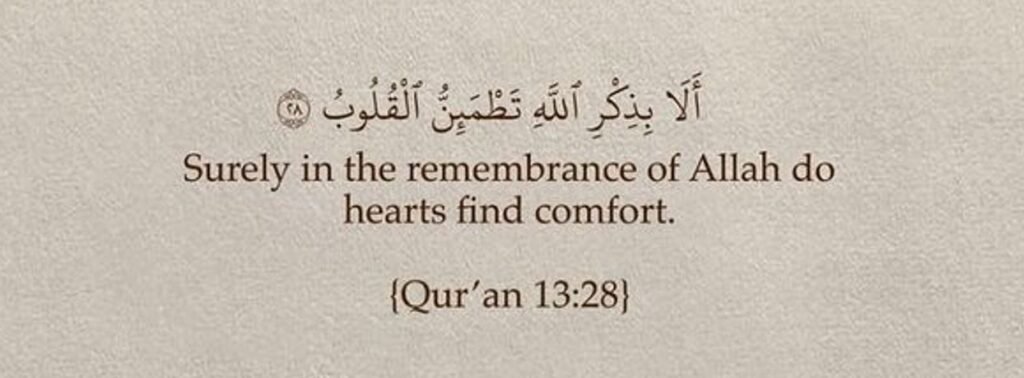
Among the teachings of the Prophet, pbuh, are many instructions for making Zikr, remembrance, of Allah, Subhanahu Wa Ta'aala. In this article, we explain some of the benefits of committing to Zikr.
Posts tagged as “hadith_reflection”
Posts on Hadith
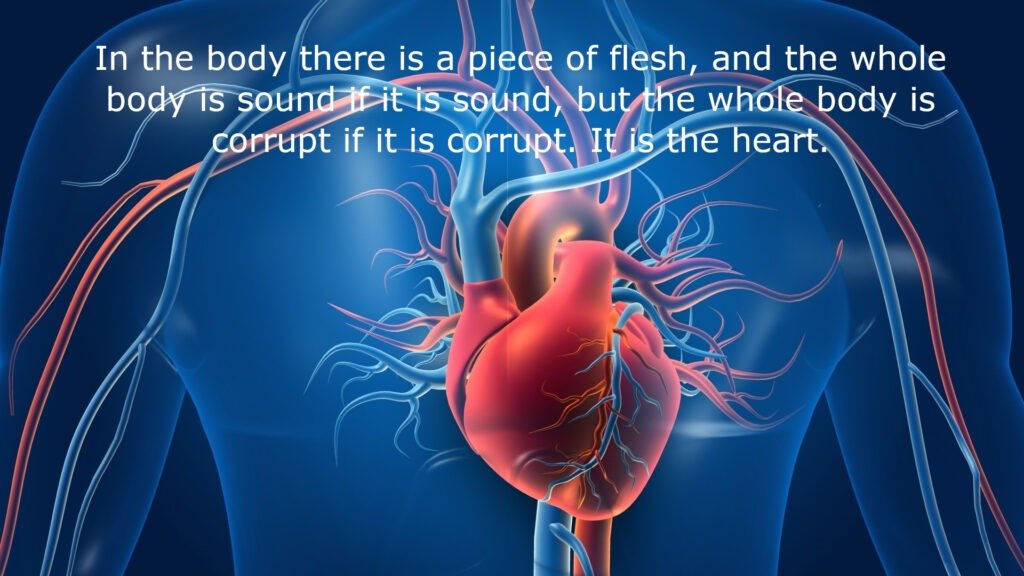
This Hadith (saying) from the Prophet is very important, and it is also very telling. It is the heart and nothing else. If the heart is good, the person, his character, his morals will be good, yet the opposite is also true.
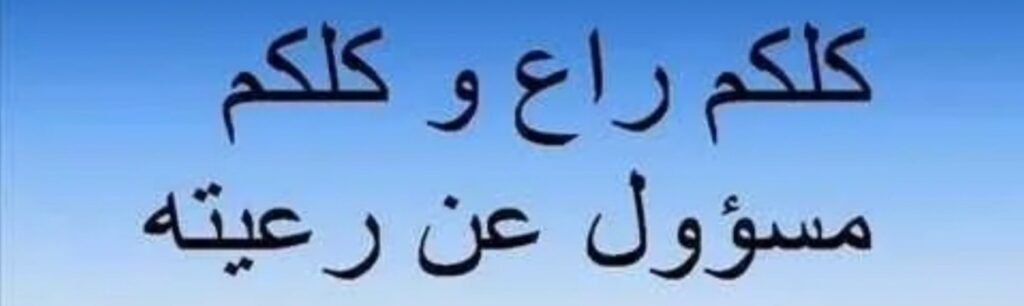
In this hadith, the Prophet (peace be upon him) teaches us the true meaning of responsibility.
In Islam, every person has a specific duty that they are accountable for and must uphold. Leaders have their own responsibilities and will be questioned by God about how they fulfilled them. Likewise, a man is responsible for his household—his wife and children—their food, clothing, education, upbringing, and religious guidance. Every member of society carries their own share of responsibility as well, according to their role and position.
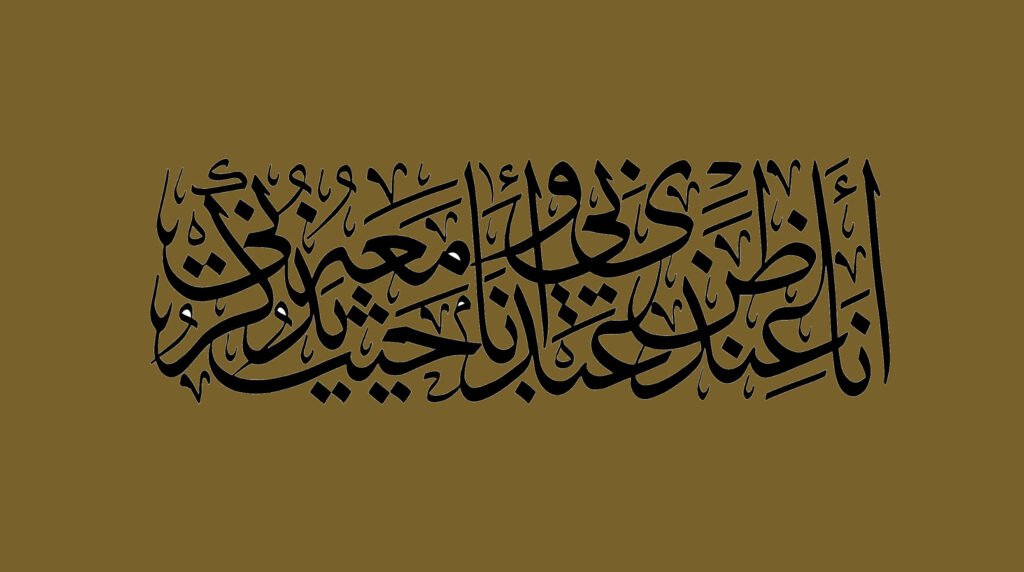
I am present when my servant thinks of me, and I am with him when he remembers me.

The Prophet (PBUH) summoned ‘Amir and addressed him with a stern, powerful question: “Why would one of you kill his brother? Why did you not say ‘Barak Allahu Lak’ (May Allah bless you) when you saw what you liked?”

It was narrated from 'Uqbah bin 'Amr, Abu Mas’ud, that the Messenger of Allah ﷺ said: "Among the words that people learned from the earlier Prophets are: 'If you feel no shame, then do as you wish.’"
This is an analogy struck by the Prophet (peace and blessings of Allah be upon him) for the seeker of the Hereafter. For verily, Satan lies in wait on his path, and the soul along with its false hopes and desires are his helpers. Thus, if he awakens during his journey and purifies his intention in his deeds, he is safe from Satan and his forces, and from the bandits of the road and their aides. Then he is guided to the fact that traversing the path of the Hereafter is difficult, attaining the Hereafter is arduous, and it is not obtained by the slightest effort.

عَنْ أَبِي عَبْدِ الرَّحْمَنِ عَبْدِ اللَّهِ بْنِ مَسْعُودٍ رَضِيَ اللهُ عَنْهُ قَالَ: حَدَّثَنَا رَسُولُ اللَّهِ صلى الله عليه و سلم -وَهُوَ الصَّادِقُ الْمَصْدُوقُ-: “إنَّ أَحَدَكُمْ يُجْمَعُ خَلْقُهُ فِي بَطْنِ أُمِّهِ أَرْبَعِينَ يَوْمًا نُطْفَةً، ثُمَّ يَكُونُ عَلَقَةً مِثْلَ ذَلِكَ، ثُمَّ يَكُونُ مُضْغَةً مِثْلَ ذَلِكَ، ثُمَّ يُرْسَلُ إلَيْهِ الْمَلَكُ فَيَنْفُخُ فِيهِ الرُّوحَ، وَيُؤْمَرُ بِأَرْبَعِ كَلِمَاتٍ: بِكَتْبِ رِزْقِهِ،…
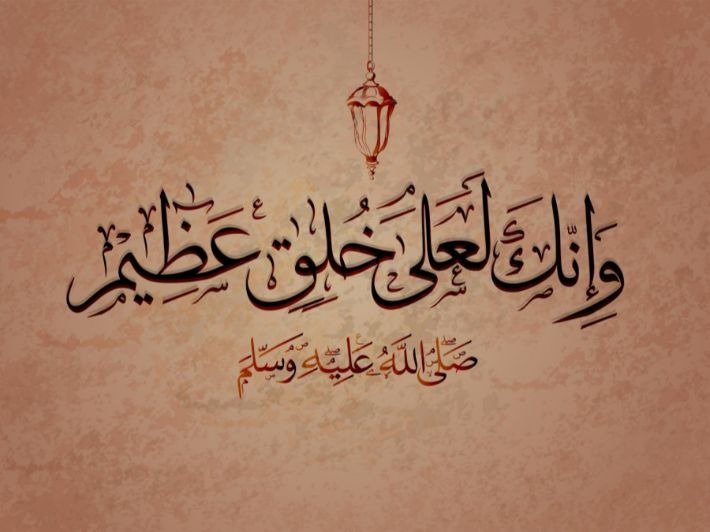
The terrifying dialogue recorded in Surah Al-Muddaththir (74:42-47) presents a chilling moment of accountability in the Hereafter. When the inhabitants of Paradise ask the inhabitants of the Fire, “What has caused you to enter Hell?” their multi-faceted response outlines a failure across life’s most essential duties: “We were not of those who prayed, nor did…

I heard the Messenger of Allah (ﷺ) say: "Actions are (judged) by motives (niyyah), so each man will have what he intended. Thus, he whose migration (hijrah) was to Allah and His Messenger, his migration is to Allah and His Messenger; but he whose migration was for some worldly thing he might gain, or for a wife he might marry, his migration is to that for which he migrated." [Bukhari & Muslim]