
يا أمير المؤمنين: عدلت فعدلوا، ولو رتعت لرتعوا
Posts tagged as “hadith”
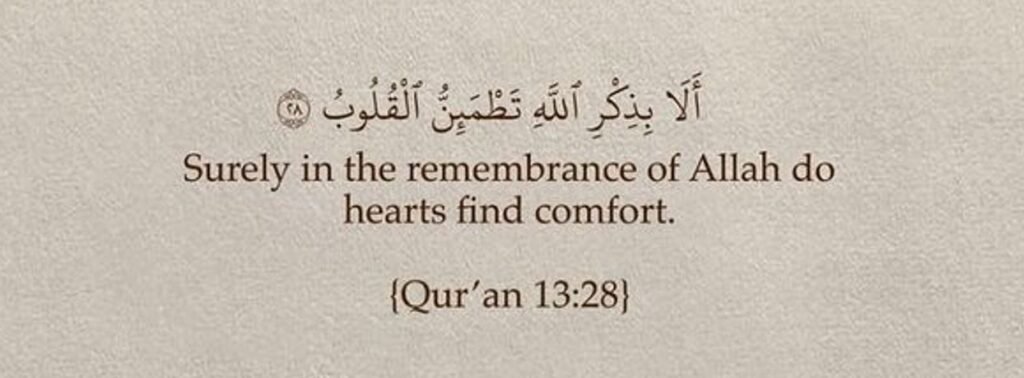
Among the teachings of the Prophet, pbuh, are many instructions for making Zikr, remembrance, of Allah, Subhanahu Wa Ta'aala. In this article, we explain some of the benefits of committing to Zikr.
Here is a lesson from the Prophet, pbuh, that tells us the story of the Hadith, "Life is not worth a wing of a mosquito." Which means that this life, Donya (the lower life), is not worth what a mosquito can carry on her wings.
It also shows how much the Prophet loved his daughter, Fatima, and how devoted she was to her father, pbuh.

Qass ibn Sa'idah al-Iyadi: The Greatest Orator of the Arabs, Who Believed in the Prophet ﷺ Before the Mission.
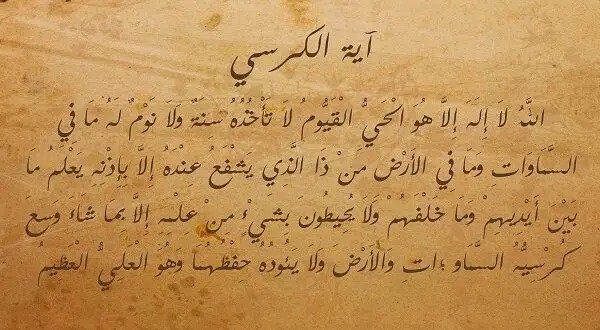
Verse 255 of Surah Al-Baqarah, or the Kursi, (Qur'an 2:255), is the greatest in the Qur'an, as described by the Prophet Muhammad, peace and blessings of Allah be upon him.
In this article, we discuss why.
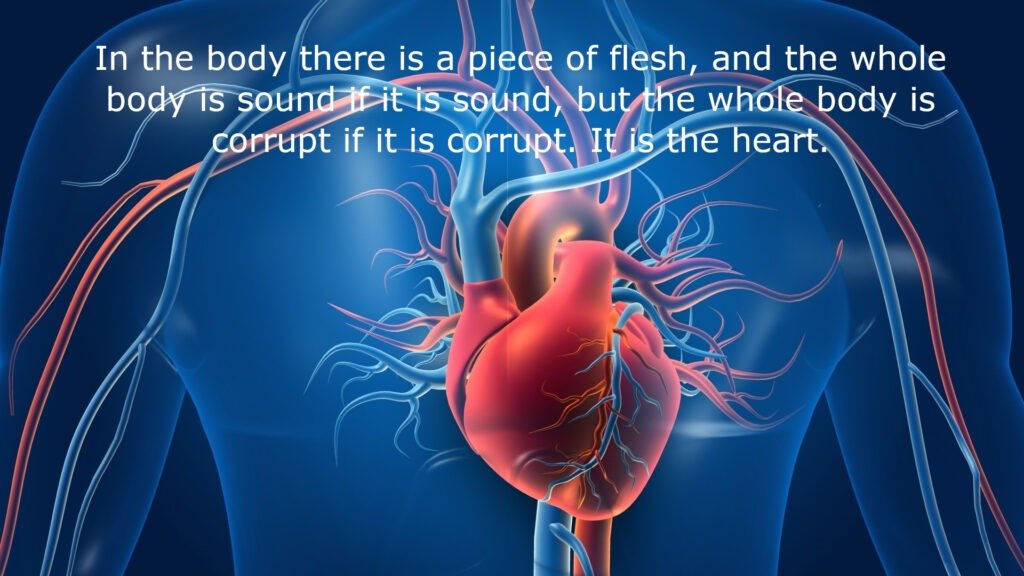
This Hadith (saying) from the Prophet is very important, and it is also very telling. It is the heart and nothing else. If the heart is good, the person, his character, his morals will be good, yet the opposite is also true.
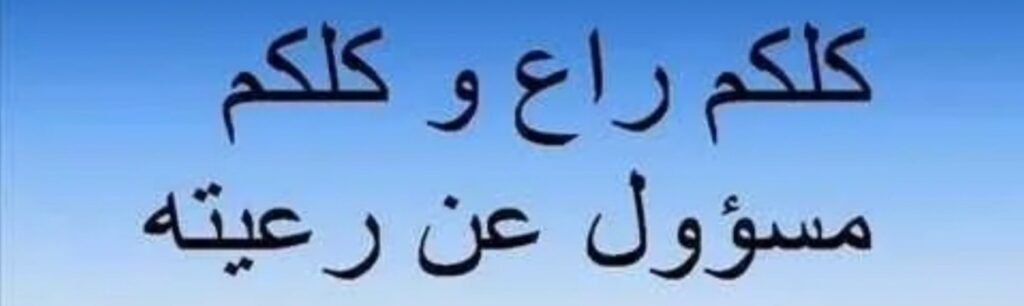
In this hadith, the Prophet (peace be upon him) teaches us the true meaning of responsibility.
In Islam, every person has a specific duty that they are accountable for and must uphold. Leaders have their own responsibilities and will be questioned by God about how they fulfilled them. Likewise, a man is responsible for his household—his wife and children—their food, clothing, education, upbringing, and religious guidance. Every member of society carries their own share of responsibility as well, according to their role and position.
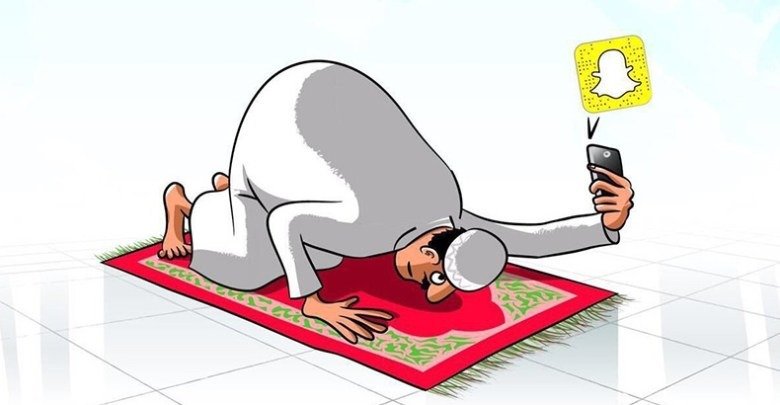
Riyaa in Islam is performing acts of worship or good deeds with the intention of being seen, admired, or praised by people rather than solely for Allah's pleasure, rendering such deeds spiritually void and akin to minor shirk
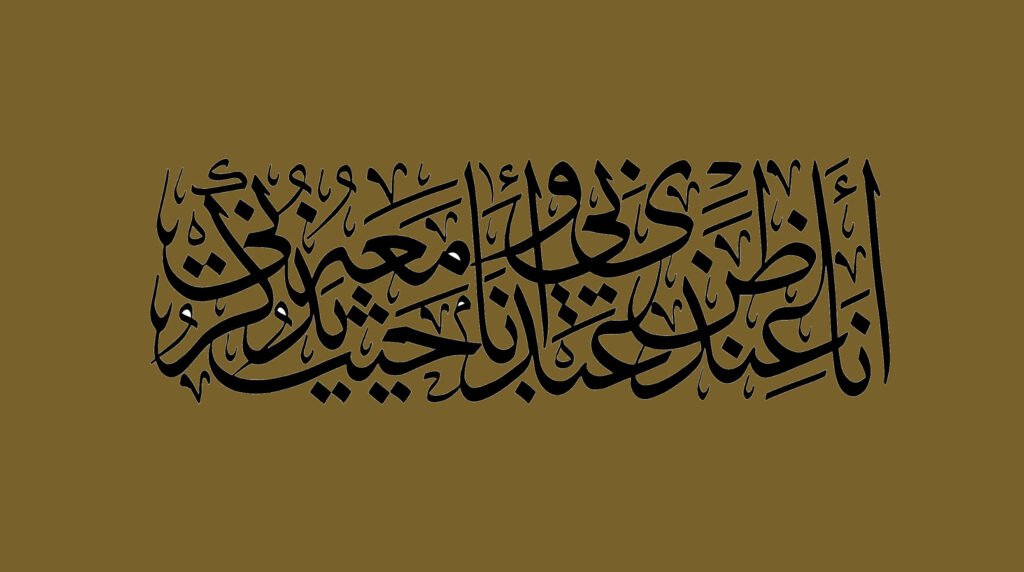
I am present when my servant thinks of me, and I am with him when he remembers me.
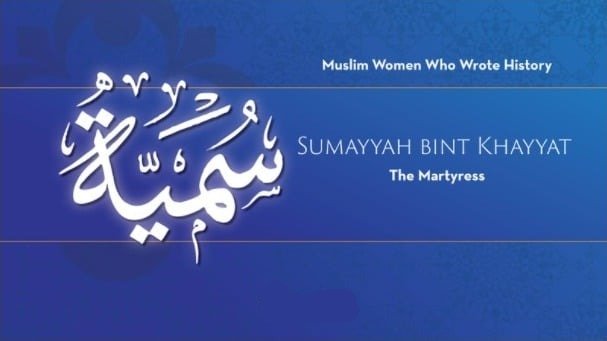
This is the story of the first martyr (and martyress) in Islam. An old lady, a black lady, yet she was promised along with her family, a high place in Jan'nah.
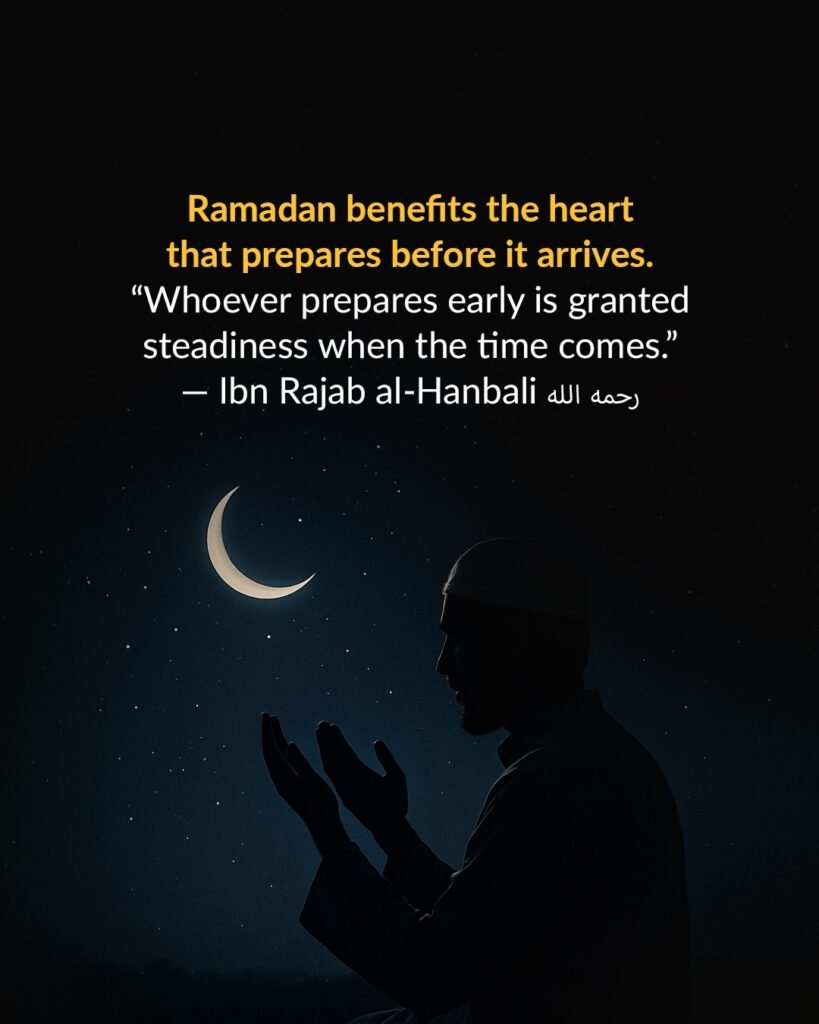
Preparing for Ramadan involves strengthening your spiritual, physical, and mental readiness by gradually increasing daily Quran recitation, practicing sunnah fasts in Sha’ban, and establishing consistent prayer routines. To maximize the month, set specific goals, prepare healthy meal plans, and detox from distractions to focus on gratitude, repentance, and sincere intention.

We often worry about how we will die. Will it be peaceful? Will it be sudden? Will we have time to repent? But the truth that liberates us from this anxiety is profound: A good ending (Husn al-Khatimah) is not about the manner of your death — it's about the quality of your life.
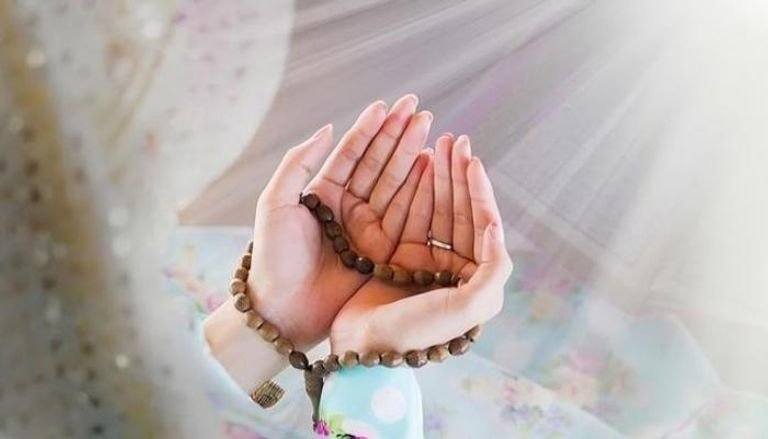
The Night of Mid-Sha’ban, known in Arabic as Laylat al-Nisf min Sha’ban, is one of the greatest nights of the year. In the Islamic understanding, the night precedes the day so it falls on the night before the fifteenth day of Sha’ban. ‘Ata’ bin Yasar, who narrated hadith from the Companions, said that after Laylat al-Qadr, there is no night better than the Night of Mid-Sha’ban. Its greatness is due to the divine gifts that are bestowed during it.
Duʿā is vital because it expresses our dependence on Allah, strengthens our relationship with Him, and becomes a means for guidance, mercy, and the changing of our circumstances.
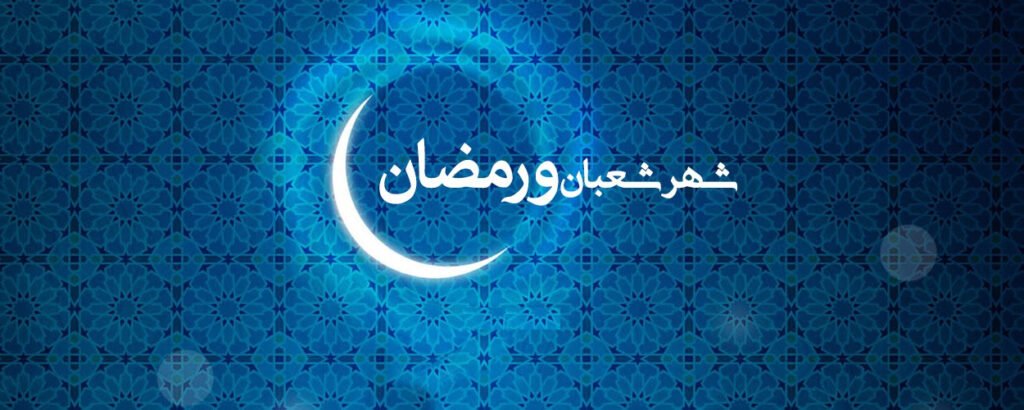
The two months of Shaban and Ramadab carry great significance in Islam. Good deeds in these two months have great value and shouldn't be ignored. In this Khutbah, our brother Othman talks about the two months and the teachings of the Prophet on how to act in them.