
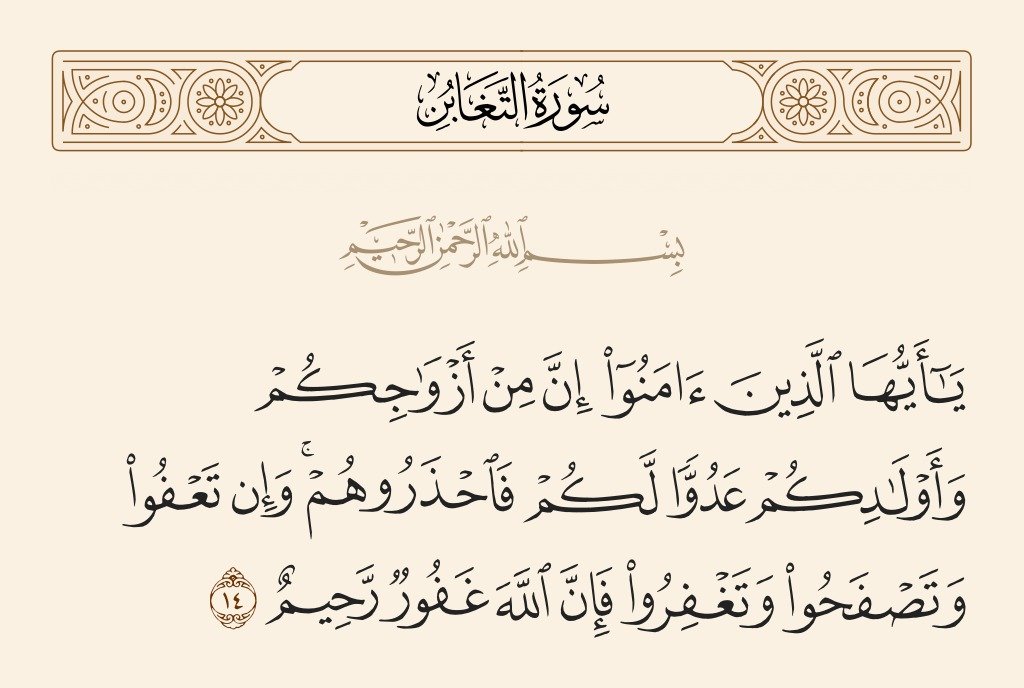
O you who have believed in Allah and His Messenger: indeed, among your spouses and your children are enemies to you who hinder you from the path of Allah and discourage you from His obedience; so be wary of them and do not obey them. Yet, if you overlook their misdeeds, turn away from them, and conceal them, then indeed Allah is Forgiving and Merciful. He will forgive your sins, for He, Glory be to Him, is Great in Forgiveness and Vast in Mercy.
Posts tagged as “hadith”
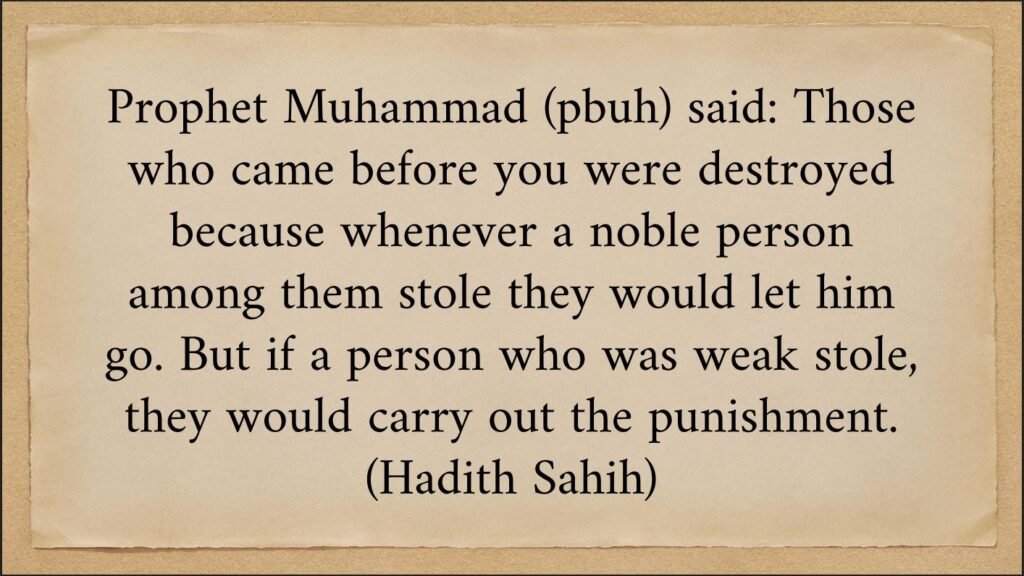
Justice has one face; it is applied to all, or this is how it should be.
On the days of the Messenger, peace and blessings of Allah (SWT), an incident happened that included a woman from the Makhzumites, where people wanted to save her from punishment just because of her family.

A profound tale about wisdom, dignity, and the art of understanding what remains unspoken
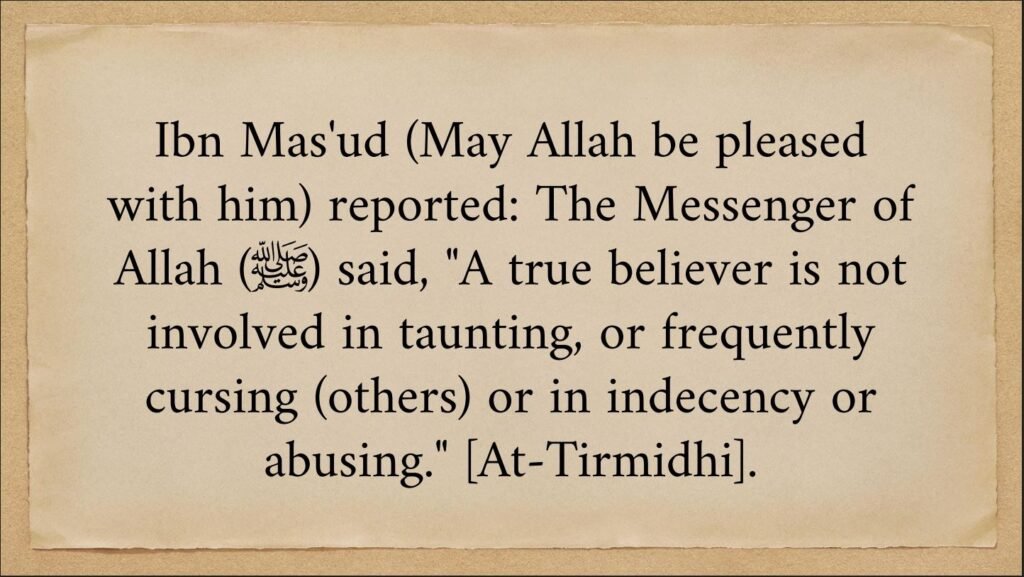
Ibn Mas'ud (May Allah be pleased with him) reported: The Messenger of Allah (ﷺ) said, "A true believer is not involved in taunting, or frequently cursing (others) or in indecency or abusing." [At-Tirmidhi].
The Pledge of Aqaba was a turning point in the Prophet Muhammad's message, the history of Islam, and the history of Muslims.
The Pledge of Aqabah refers to two pivotal oaths of allegiance taken by Muslims from Yathrib (later Medina) to Prophet Muhammad (PBUH), occurring in 621 CE (Year 12 of Prophethood) and 622 CE (Year 13 of Prophethood), respectively. These pledges were crucial in preparing for the Hijrah (migration) from Mecca to Medina.
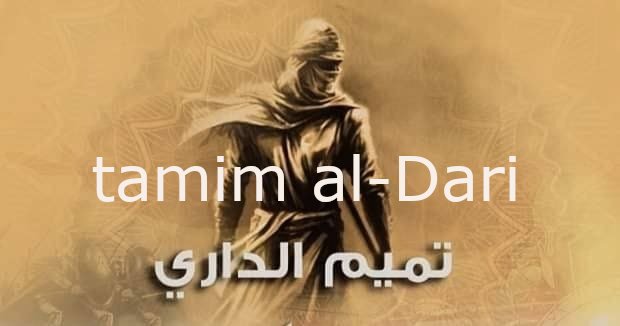
Tamīm ibn Aws al-Dārī (died 661 AD) was a companion of the Prophet Muhammad, peace and blessings be upon him, and an early convert from Christianity to Islam. In Islamic eschatology, he is known for encountering *Dajjal* during one of his journeys.

There are certain times of the year when one needs to stand firm against oneself and one's worldly desires. These times should be used to the maximum to achieve the utmost success.

The Prophet (PBUH) summoned ‘Amir and addressed him with a stern, powerful question: “Why would one of you kill his brother? Why did you not say ‘Barak Allahu Lak’ (May Allah bless you) when you saw what you liked?”
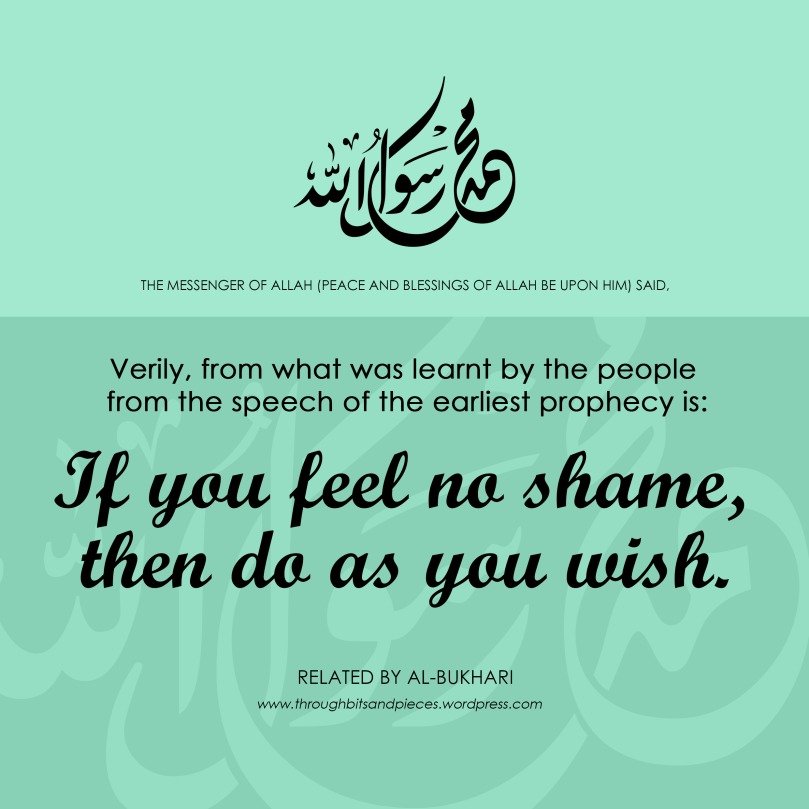
It was narrated from 'Uqbah bin 'Amr, Abu Mas’ud, that the Messenger of Allah ﷺ said: "Among the words that people learned from the earlier Prophets are: 'If you feel no shame, then do as you wish.’"
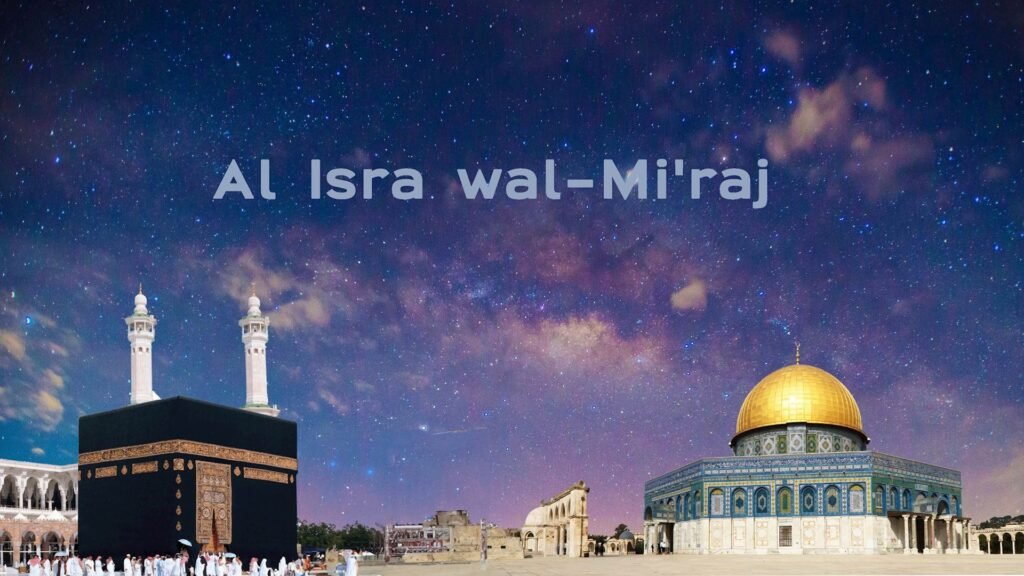
The Isra’ and Mi’raj refers to the miraculous Night Journey and Ascension of Prophet Muhammad from Mecca to Jerusalem (Isra’) and then through the heavens to the Divine Presence (Mi’raj), a pivotal event that affirmed his prophethood and established the five daily prayers.
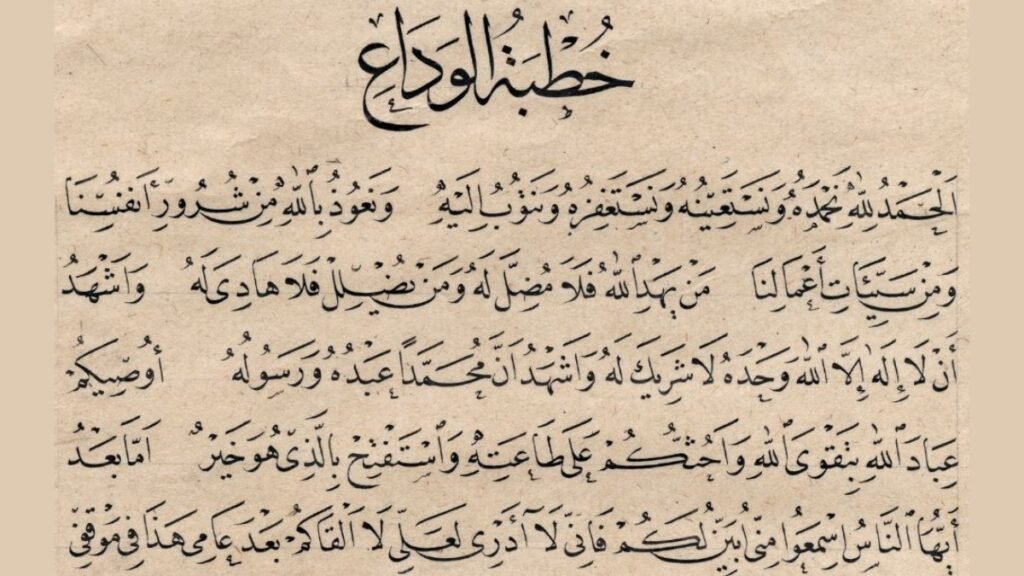
The Prophet Muhammad’s Farewell Sermon, delivered on the Day of Arafah during his final pilgrimage in 10 AH, sanctifies human life, honor, and property, abolishes pre-Islamic usury and blood feuds, and condemns tampering with sacred months. It outlines spousal rights with an emphasis on kindness toward women, declares believers as brothers with no one’s wealth lawful except by consent, affirms equality among humanity regardless of race or tribe except through piety, and leaves the Qur’an and Sunnah as enduring guidance.

This is an analogy struck by the Prophet (peace and blessings of Allah be upon him) for the seeker of the Hereafter. For verily, Satan lies in wait on his path, and the soul along with its false hopes and desires are his helpers. Thus, if he awakens during his journey and purifies his intention in his deeds, he is safe from Satan and his forces, and from the bandits of the road and their aides. Then he is guided to the fact that traversing the path of the Hereafter is difficult, attaining the Hereafter is arduous, and it is not obtained by the slightest effort.

Islam offers something the modern world desperately needs: a comprehensive moral system that produces individuals of exceptional character, people who honor their parents, protect the vulnerable, welcome strangers, speak truth, and stand for justice even when it costs them.

Prophet Solomon (Sulaymān), peace be upon him, is one of the honored prophets in the Qur'an, endowed with wisdom, just authority, and miracles, yet always presented as a humble servant of Allah. He was the son and heir of Prophet David (Dāwūd), inheriting both prophethood and a kingdom

Islamic laws are derived from two primary sources: the Quran (the spoken words of Allah) and the Sunnah (the way (traditions: everything he said or did) of the Prophet ﷺ, preserved through Hadith). Without Hadith, we would be like sailors with a map but no compass—we would know the destination but not how to navigate…