
Written by: S M Rakibur Rahman (Rahat)
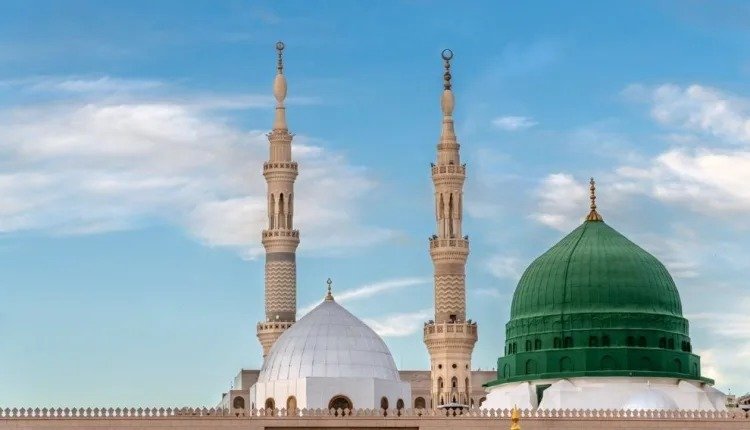
One day, each one of us will pray our last prayer.
One day, we will hear the adhan for the last time.
One day, we will walk out of the masjid—and without realizing it, it will be our final visit to the house of Allah.
Posts tagged as “Quran”
Posts on the Qur’an
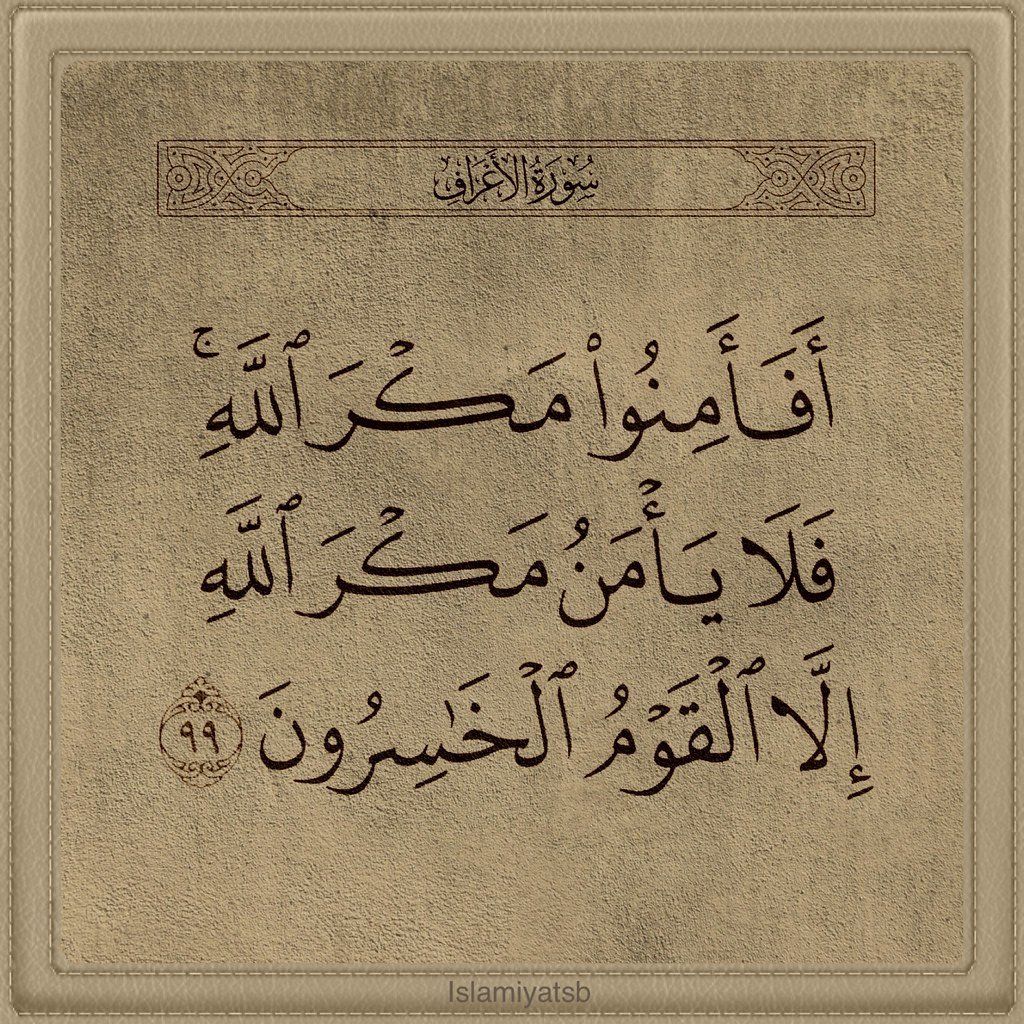
Have those who plot evil deeds become secure that Allah will not cause the earth to swallow them, or that the punishment will not come upon them from where they do not perceive? Or that He will not seize them during their [frequent] movements, and they cannot escape? Or that He will not seize them gradually? Indeed, your Lord is most merciful and most compassionate.

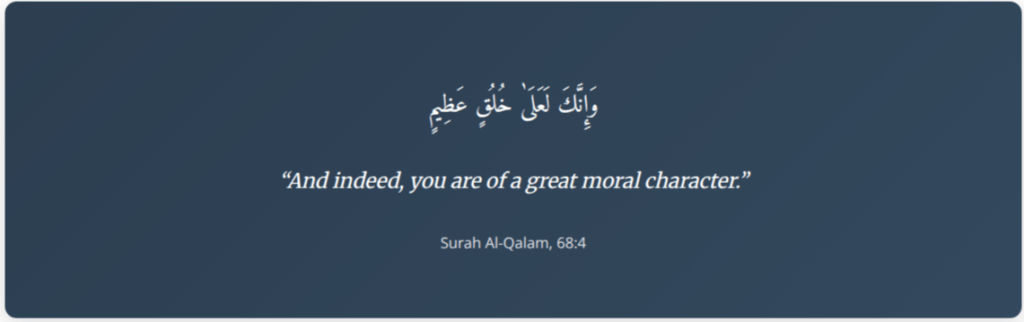
We tend to assume that the most difficult human achievements are the visible ones — brilliant discoveries, dazzling intellect, towering expertise. But a quiet, deeply reasoned insight reframes the question entirely: the hardest thing a person can ever become is not knowledgeable. It is good.
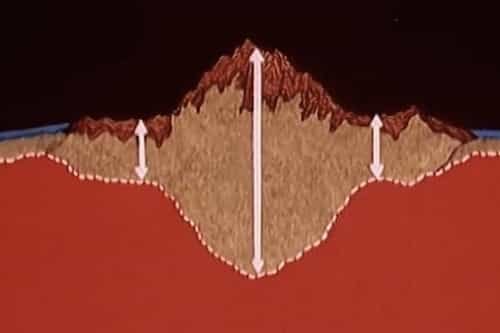
How a 1,400-Year-Old Verse in the Quran Described a Geological Truth Science Only Recently Confirmed
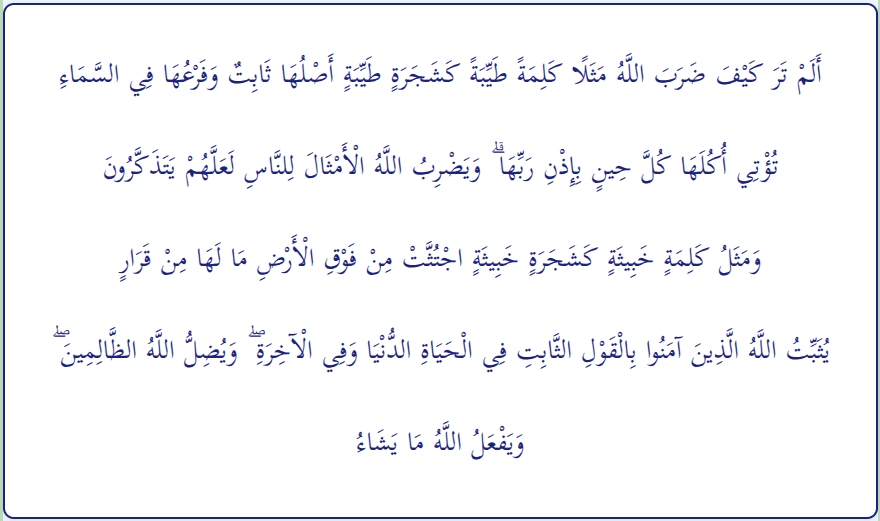
Surah Ibrahim verses 24-27 has an example that Allah, SWT, the Almighty, has given us to tell us how important is the word is...
The Quran pairs the word patience with another word that at first seems a little bit different and you have to really ponder it to understand the full meaning. One can say it's actually the perfect pairing of the word patience and that word is beauty. It talks about having beautiful patience.
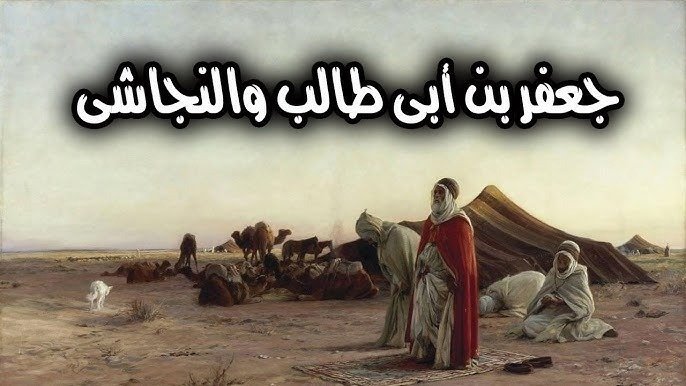
When the news of the battle of Badr reached the Negus, the king of Abyssinia, he summoned Ja'far ibn Abi Talib to inform him, and this is how the dialogue went.

The description of wives in the Qur'an took three different forms: woman, wife, and companion. What is the difference between the three uses, and how did God show us that the house of Abu Lahab wasn't founded on good relations between Abu Lahab and his "woman"?

Dr. Crane was one of America's most prominent strategic experts. In 1962, he co-founded the Center for Strategic and International Studies (CSIS), the first Washington-based research center specializing in foreign policy.

Thunder is created through a complex process that begins with the formation of cumulonimbus clouds, the only type of clouds that produce thunderstorms.
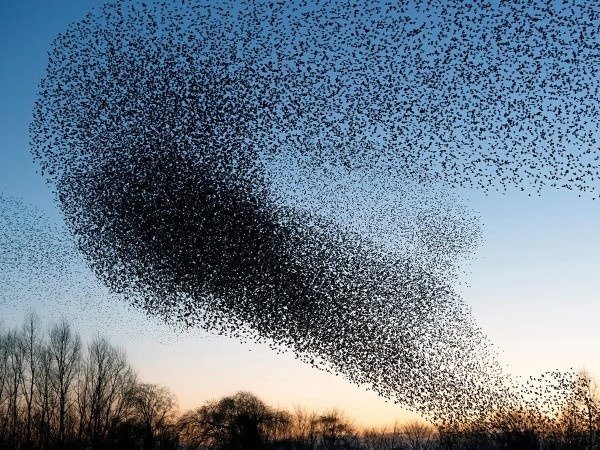
Look at these birds, flying in flawless harmony. No algorithms, no AI, no programming languages. Each one of these birds knows its place, moving as one living symphony across the sky. Allah says in the Qur'an: ' Do they not see the birds held secure in the sky? None holds them up except Allah. ' (16:79). A stunning reminder of the order and wisdom woven into creation. Subhan Allah.

Many statistical studies have been applied to the Qur'an. They all lead to discoveries on the uniqueness of the Qur'an and its language. Among these studies is one that shows that each Surah of the Qur'an enjoys its own set of unique words that were never repeated in other Surahs.

This series explores the miraculous nature of the Quran through its scientific content - an everlasting, renewable, and living proof of its divine origin. Over the coming articles, we will examine how modern scientific discoveries continue to affirm the truth of the Quran, revealing knowledge that could not have been known by any human 14 centuries ago.

Habib al-Najjar, also known as Habib the Carpenter or “the Believer of the People of Yasin,” was a righteous man who lived in a village in Greater Syria, said to be Antioch. He is mentioned in the Qur’an without being named, in the verse: “And there came from the farthest end of the city a man, running. He said, ‘O my people, follow the messengers.’” (Yasin 36:20)