
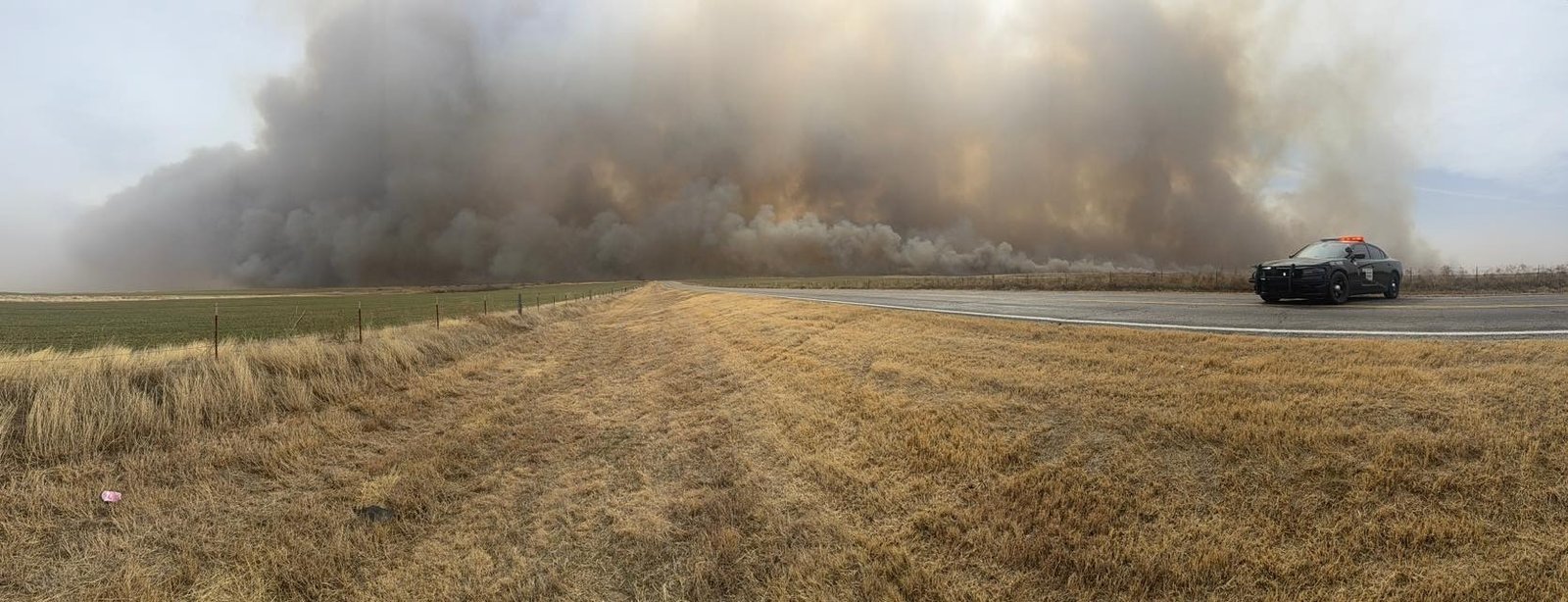
Wildfires Rage Across Oklahoma as High Winds Fuel Massive Blazes
Oklahoma is facing one of its most intense wildfire outbreaks in recent years, as powerful winds and extremely dry air drive fast‑moving fires across the Panhandle and northwest counties. State emergency officials say multiple large blazes have burned hundreds of thousands of acres since Tuesday, forcing evacuations, injuring firefighters, and destroying homes, agricultural buildings, and rangeland.
- Governor declares a state of emergency for Beaver, Texas, and Woodward counties as major fires continue to burn.
- The Ranger Road Fire on the Oklahoma–Kansas line has scorched more than 280,000 acres and is only partially contained.
- Dozens of smaller fires and hotspots have been reported across more than 20 counties under Red Flag warnings.
State of Emergency and Massive Fire Footprint
On Wednesday, Governor Kevin Stitt declared a state of emergency for Beaver, Texas, and Woodward counties in response to “ongoing wildfires and fire weather conditions” that began earlier in the week. The Oklahoma Department of Emergency Management activated the State Emergency Operations Center, coordinating with state agencies, tribal nations, and volunteer organizations as conditions worsened.
Oklahoma Forestry Services reports that the Ranger Road Fire, burning across Beaver County and into Kansas, has become the largest of the current blazes, with estimates reaching more than 283,000 acres burned and containment still limited. The Stevens Fire and Side Road Fire in Texas County, along with the 43 Fire and 206 Road Fire in Woodward County, have together burned tens of thousands of additional acres of grassland and cropland.
Evacuations, Injuries, and Structural Damage
Local emergency managers issued evacuation orders for communities including Gate in Beaver County and Tyrone in Texas County as flames pushed toward homes and critical infrastructure. In Woodward County, evacuation orders for parts of the city of Woodward were later lifted, but at least three structures, including two at a U.S. Department of Agriculture facility, were reported destroyed.
Officials confirmed that at least four firefighters were injured in Beaver County, including three responders whose truck overturned while battling the Ranger Road Fire. Numerous outbuildings and agricultural structures have been lost, and state agriculture groups warn that damage to fencing, grazing land, and livestock operations could take months or longer to fully assess.
High Winds, Bone-Dry Air, and Red Flag Warnings
Meteorologists say a dangerous combination of strong west winds, low humidity—near 15 percent in some areas—and dormant, drought‑stressed vegetation has turned much of Oklahoma and the Southern Plains into a tinderbox. The National Weather Service has issued Red Flag warnings across large portions of the state, signaling conditions that can turn a single spark into a fast‑moving wildfire.
Fire situation reports from Oklahoma Forestry Services warn that established wildfires are capable of “very rapid rates of spread and problematic fire behavior,” including torching trees and spotting embers far ahead of the main fire line. Officials expect continued elevated fire danger as dry conditions persist into the weekend, keeping fire crews on high alert for new ignitions.
Relief Efforts and How Residents Can Help
As firefighters work to contain the blazes, relief organizations are mobilizing to support both responders and affected families. Oklahoma Baptist Disaster Relief teams have provided meals for crews in Beaver and surrounding counties, while local churches and community centers have opened and closed evacuation shelters as conditions shift. The Oklahoma Farm Bureau Foundation for Agriculture and the Oklahoma Cattlemen’s Foundation have both launched fire relief funds to help ranchers recover from losses to pasture, fencing, and livestock.
The Oklahoma Department of Emergency Management is asking residents whose homes, businesses, or agricultural operations have been damaged to report losses through the state’s online portal at damage.ok.gov. Officials say the information will help them coordinate resources, assess the overall impact, and support any future requests for federal disaster assistance.
Staying Safe as Fire Risk Continues
Emergency managers are urging Oklahomans to stay aware of local fire conditions, follow evacuation orders quickly, and avoid any outdoor burning until Red Flag warnings are lifted. They also emphasize that residents should call 911 immediately if they see smoke or new fire starts, and turn to 2‑1‑1 for non‑emergency information and assistance.
With more windy, dry days in the forecast, the state’s fire crews and volunteers still face a difficult battle. For now, communities across Oklahoma are watching the skies, tracking smoke plumes, and hoping that cooler, wetter weather will arrive before the flames can claim more lives, homes, and livelihoods.







Be First to Comment