
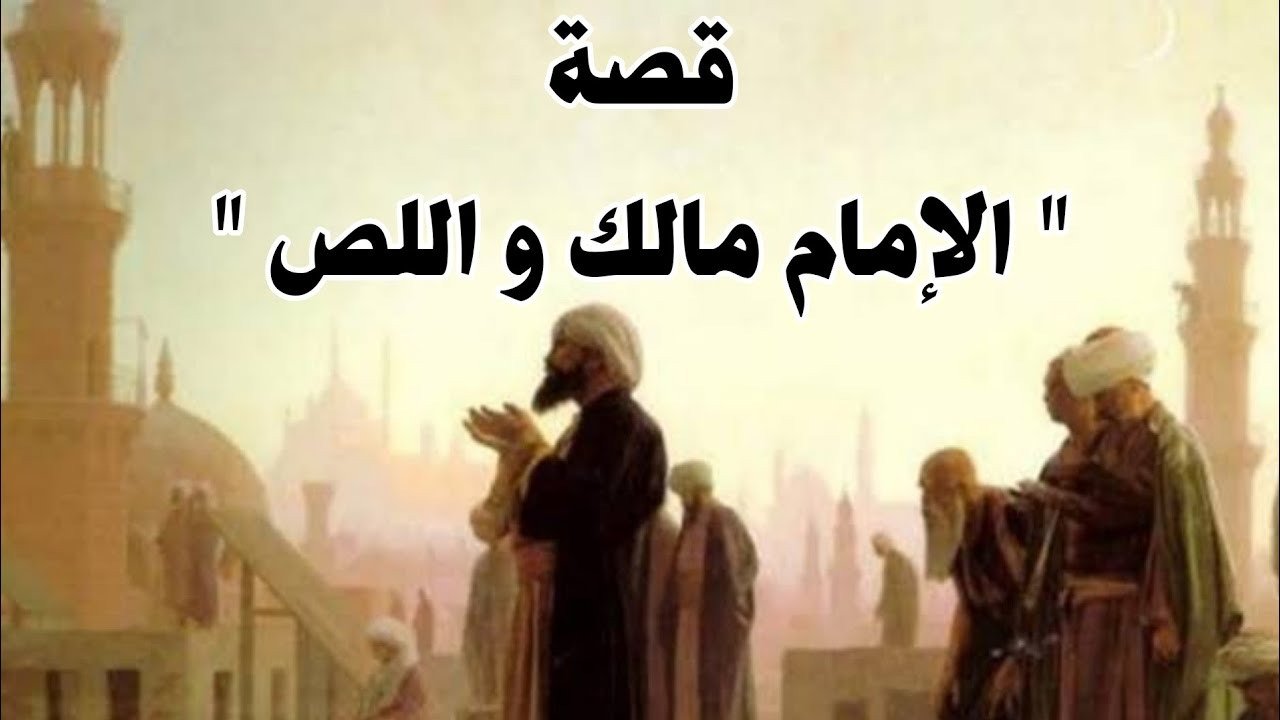
Everyone is crying, but who stole the Quran? This piercing question from Islamic tradition continues to echo through the centuries, challenging us to examine the authenticity of our faith and the sincerity of our hearts.
Who Stole the Quran?
A Powerful Story About Self-Accountability and the Gap Between Outward Religiosity and True Faith
Everyone is crying, but who stole the Quran? This piercing question from Islamic tradition continues to echo through the centuries, challenging us to examine the authenticity of our faith and the sincerity of our hearts.
The Story That Shook Hearts
In the classical works of Islamic literary heritage, a profound story is narrated about Imam Malik ibn Dinar, a revered scholar known for his wisdom and spiritual insight. One night, he led the congregation in prayer, and after completing the ritual, he delivered a sermon so moving that it brought tears to every eye and trembling to every heart. His words penetrated the souls of those present, stirring a deep spiritual awakening.
When the Imam finished his sermon, he reached for his personal copy of the Quran—but it was gone. Someone had stolen it. He carefully observed the congregation, searching for the thief by looking for the one person who remained still while others were moved, the one whose eyes stayed dry while others wept. But to his astonishment, everyone was crying. Everyone appeared touched. Everyone seemed genuinely affected by the spiritual message.
His question rang out:
“Everyone is crying… so who stole the Quran?”
This question, posed by Imam Malik ibn Dinar (may Allah have mercy on him), remains profoundly relevant today. It forces us to confront an uncomfortable truth: outward displays of piety do not always reflect inner reality.
“O you who have believed, why do you say what you do not do? Great is hatred in the sight of Allah that you say what you do not do.”
— Surah As-Saff (61:2-3)
The Question Still Stands
Malik’s question continues to resonate in our modern age, perhaps more urgently than ever before. In an era of social media spirituality and performative piety, we must ask ourselves:
Everyone is crying… so who stole the Quran?
Everyone claims to be a guide… so who is the sinner?
Everyone professes generosity, nobility, and virtue… so who falls short?
Our social media pages overflow with prayers, remembrances, and supplications… so where are the wrongdoers?
We all recite the prayer: “O Allah, do not hold us accountable for what the foolish among us do”—yet each of us looks at everyone except ourselves when saying these words. We point fingers outward while exempting our own hearts from scrutiny.
Begin With Yourself
The path to authentic faith begins with brutal honesty about our own shortcomings. We must start with ourselves because of an inescapable truth:
Allah sees beyond our carefully curated social media presence. He knows the truth behind our public displays of devotion. He witnesses the moments when we’re alone, when no one is watching, when the mask comes off.
“Indeed, Allah will not change the condition of a people until they change what is in themselves.”
— Surah Ar-Ra’d (13:11)
The Consequences of Superficial Faith
If our behavior does not truly align with our professed beliefs… if we do not return to Allah with genuine repentance… if we do not abandon our vices with sincere commitment… if we do not turn to our Lord with authentic transformation…
Our superficial Islam—the Islam of appearances, hashtags, and weekend observance—will be weighed on the scale of our misdeeds. It will not lift us from the trials and tribulations we face. It will not bring divine assistance. It will not transform our communities or our lives.
Authentic faith demands more than emotional tears during a moving sermon. It requires consistency between our private actions and public persona. It calls for alignment between what we profess and how we live.
The Path Forward
The story of the stolen Quran teaches us that self-deception is the most dangerous form of theft. When we steal from ourselves—by claiming piety we don’t practice, by professing values we don’t embody, by appearing righteous while harboring wickedness—we commit a crime far worse than stealing a physical book.
We are stealing our own spiritual potential. We are robbing ourselves of genuine connection with the Divine. We are plundering our opportunity for real transformation.
“O you who have believed, fear Allah and be with those who are true.”
— Surah At-Tawbah (9:119)
True faith manifests in truthfulness—truthfulness with Allah, with others, and most importantly, with ourselves. It shows in the quiet moments of integrity when no one is watching. It reveals itself in the difficult choices where doing the right thing costs us something we value.
The question “Who stole the Quran?” is ultimately a question about authenticity. Are we authentic believers, or are we performing belief? Are we genuinely transformed by Islamic teachings, or merely wearing them as a costume? Do our lives reflect the beauty of our faith, or do they contradict it?
Ask Yourself Today
When everyone is crying, when everyone appears moved, when everyone claims righteousness—who among us needs to look deeper into their own heart? Who needs to bridge the gap between appearance and reality? Who needs to move from superficial observance to deep, transformative faith?
The answer begins with you. Start with yourself, for our Lord cannot be deceived.
May Allah guide us to authenticity, help us align our inner and outer realities, and grant us the courage to be truthful with ourselves. May He make us among those whose faith is genuine, whose tears are sincere, and whose transformation is real.






Be First to Comment