
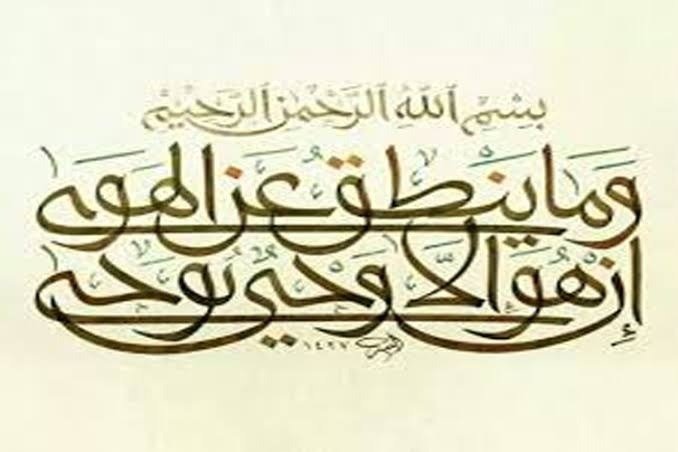
This distinction between 'ilm and ma'rifah is a genuine and often-cited point in classical Arabic lexicography — most notably in al-Rāghib al-Iṣfahānī's Al-Mufradāt fī Gharīb al-Qur'ān, where 'ilm implies comprehensive, structured knowledge, while ma'rifah leans toward recognizing or discerning a particular, previously unknown thing.
Posts tagged as “islam”
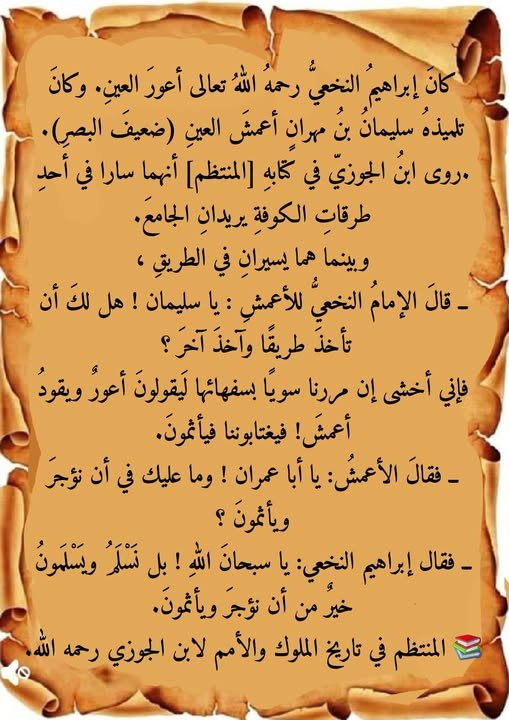
Sometimes the more generous choice is not the one that earns us the most, but the one that spares someone else a sin they don't even know they're about to commit.

Written by: S M Rakibur Rahman (Rahat)
One day, each one of us will pray our last prayer.
One day, we will hear the adhan for the last time.
One day, we will walk out of the masjid—and without realizing it, it will be our final visit to the house of Allah.
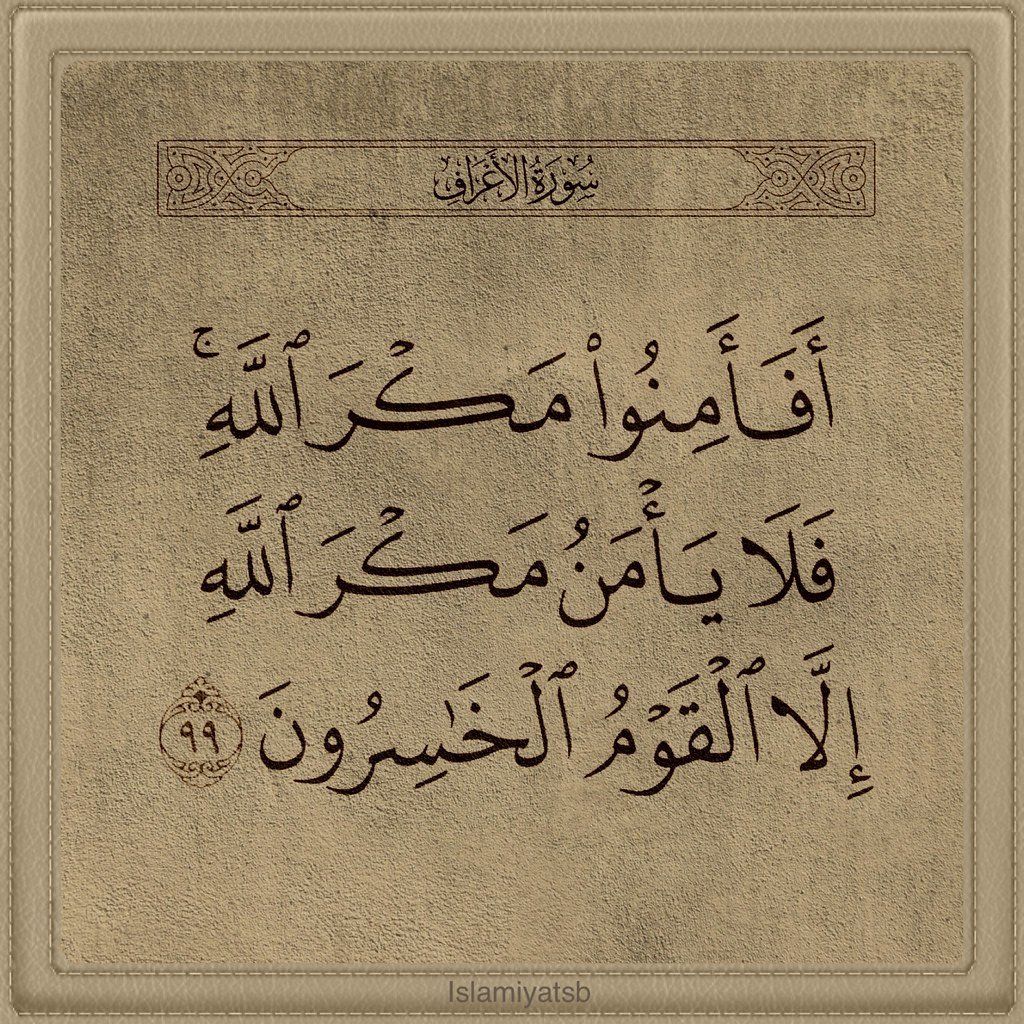
Have those who plot evil deeds become secure that Allah will not cause the earth to swallow them, or that the punishment will not come upon them from where they do not perceive? Or that He will not seize them during their [frequent] movements, and they cannot escape? Or that He will not seize them gradually? Indeed, your Lord is most merciful and most compassionate.

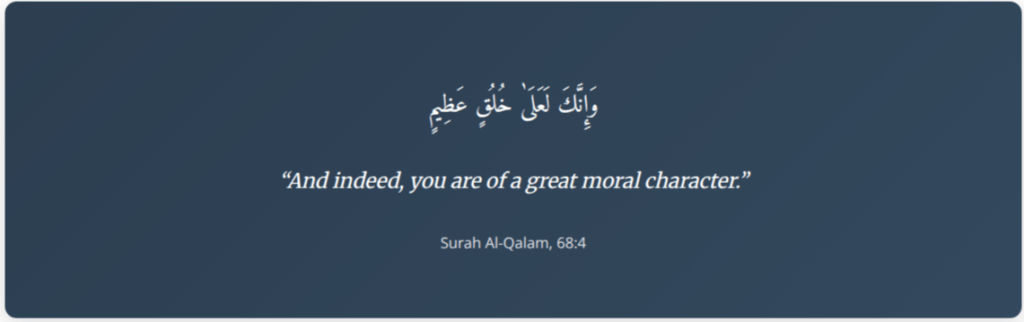
We tend to assume that the most difficult human achievements are the visible ones — brilliant discoveries, dazzling intellect, towering expertise. But a quiet, deeply reasoned insight reframes the question entirely: the hardest thing a person can ever become is not knowledgeable. It is good.

What Destroys Our Greatest Virtues, And How to Protect Them
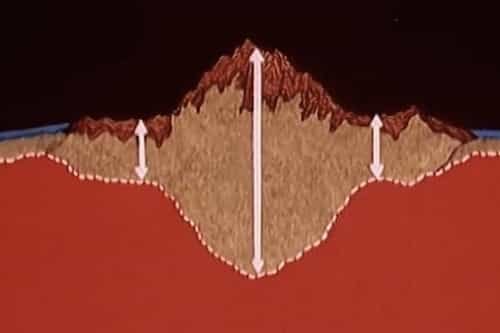
How a 1,400-Year-Old Verse in the Quran Described a Geological Truth Science Only Recently Confirmed
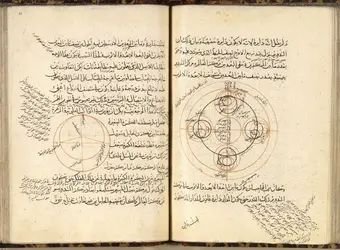
Muḥammad ibn Muḥammad ibn al-Ḥasan al-Ṭūsī (1201 – 1274),[a] also known as Naṣīr al-Dīn al-Ṭūsī[5] (Arabic: نصیر الدین الطوسی; Persian: نصیر الدین طوسی) or simply as (al-)Tusi, was a Persian polymath, architect, philosopher, physician, scientist, and theologian.
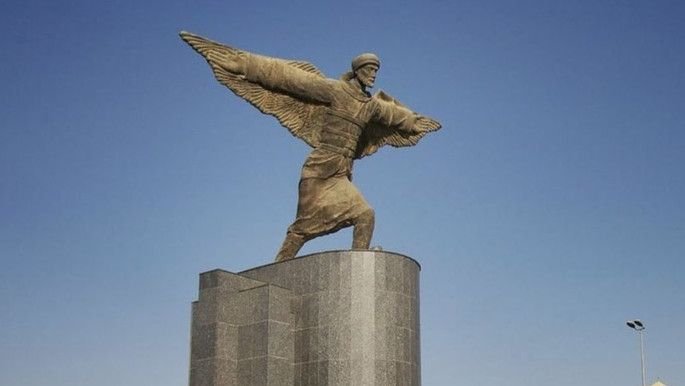
Abbas ibn Firnas was the first human to fly 1000 years before the Wright brothers.

In the aftermath of the Battle of al-Qadisiyyah, the Muslims discovered a treasure so magnificent it left them in awe: Kisra’s Carpet, a masterpiece of artistry and opulence. This story reveals how Umar ibn al-Khattab (RA) navigated the dilemma of distributing such a priceless treasure, embodying the justice, humility, and wisdom of the Rashidun Caliphate.
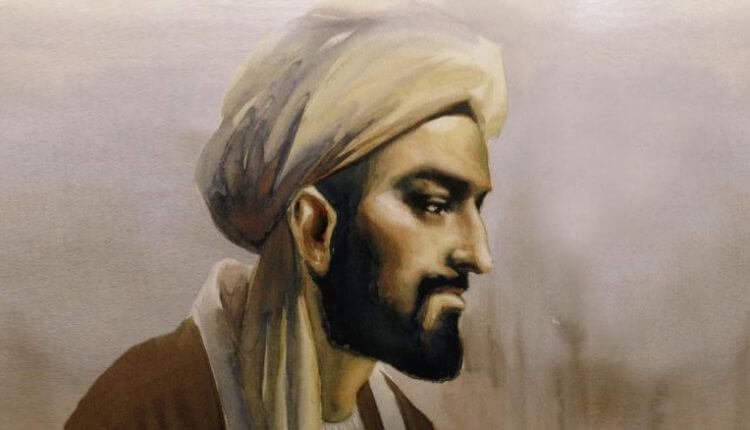
His name was Valiuddin Abd al-Rahman ibn Khaldun. Writing from a desert cave in modern-day Algeria in 1377, he penned the "Muqaddimah," or "The Introduction." This monumental text stands as one of the most astonishing intellectual achievements in human history, serving as the true, unrecognized blueprint for modern sociology, economics, and historiography.
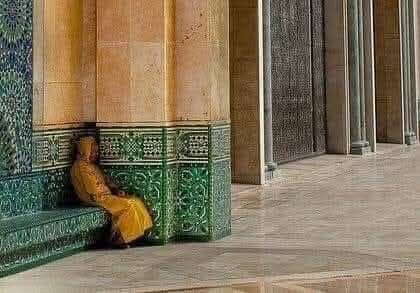
Messenger of Allah (ﷺ) said, "Many a person with shaggy and dusty hair, dusty and driven away from doors (because of their poverty and shabby clothes) were to swear by Allah (that something would happen), Allah will certainly make it happen".
[Muslim]
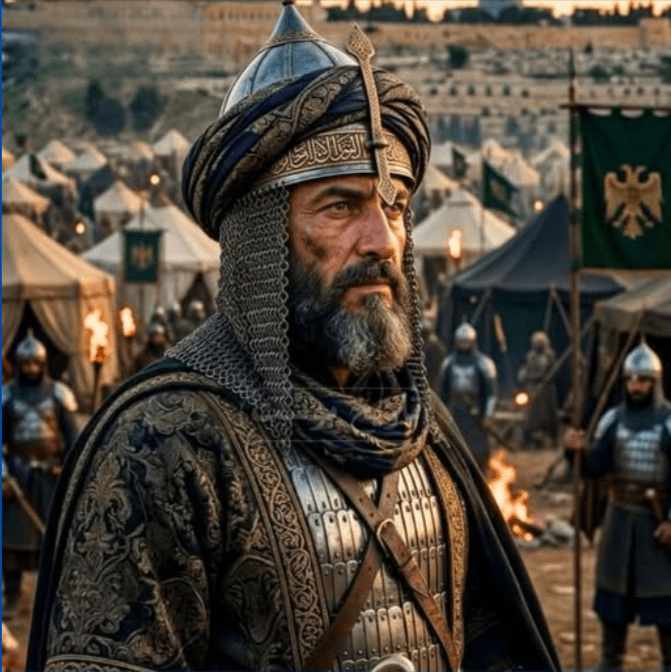
In 1182 CE (578 AH), during the Crusader Wars, Raynald of Châtillon (Aranat), the notorious Crusader lord of Kerak, launched an unprecedented attempt to infiltrate the Red Sea by transporting disassembled warships across the desert to the Gulf of Aqaba. His forces attacked Muslim trade routes and coastal cities like Jeddah, threatening the Hajj paths and Islamic sanctities. Saladin, upon learning of this, ordered his brother Al-Malik al-Adil to prepare a fleet, which was transported overland to the Red Sea under the command of Husam ad-Din Lu'lu'. After a series of naval battles, Lu'lu' liberated Aylah (Aqaba), reclaimed stolen goods, and defeated the Crusaders, capturing those who attempted to march toward Medina. The prisoners were executed by Saladin’s orders as a warning, while Raynald met his end at Saladin’s hands after the Battle of Hattin (1187 CE). Lu'lu' continued securing the Red Sea, ensuring Islamic dominance and protecting the Hajj routes.

Assiddique post welcomes contributions from its readers. It is a good chance to learn how to write and express your views