
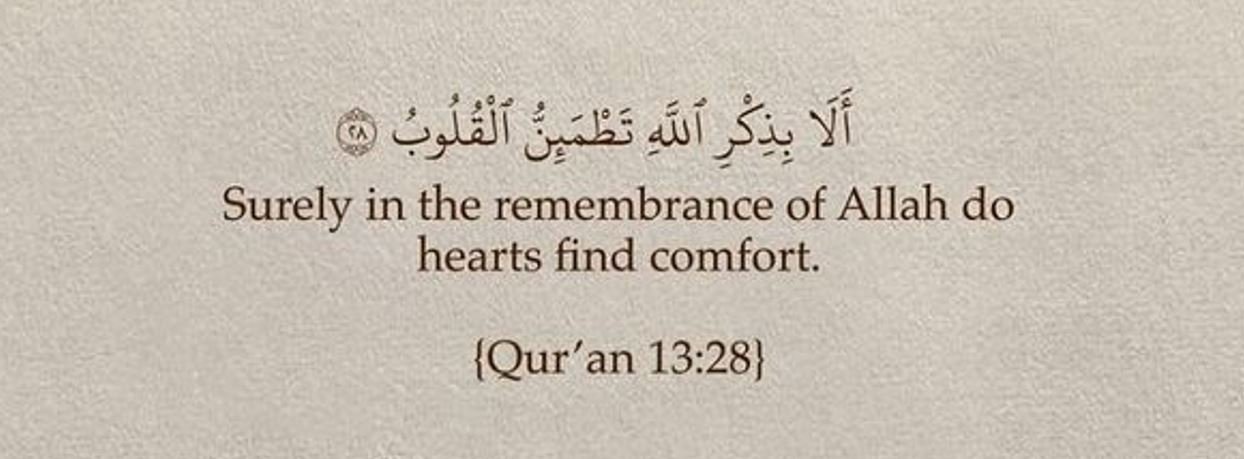
The Power of Dhikr: A Shield Against Sin
How the Prophet ﷺ Taught Us to Fill Our Hearts with the Remembrance of Allah
Abu Hurairah (may Allah be pleased with him) reported that the Messenger of Allah ﷺ said:
“Whoever says, ‘There is no god but Allah, alone without any partner. To Him belongs the dominion and to Him belongs all praise, and He is able to do all things,’ one hundred times in a day, it will be equivalent to freeing ten slaves, one hundred good deeds will be recorded for him, one hundred sins will be erased from him, and it will be a shield for him against Satan until the evening. No one can do anything better than this, except someone who does more.”
(Sahih al-Bukhari)
This hadith is a profound teaching from the Prophet Muhammad ﷺ, emphasizing the importance of dhikr (remembrance of Allah). The Prophet ﷺ wanted Muslims to keep their hearts and minds busy with the remembrance of Allah (SWT) so that they would not be occupied with idle talk, backbiting, or slander.
The Prophet’s teachings almost always encourage Muslims to engage in the remembrance of Allah (SWT). By doing so, a Muslim protects themselves from falling into sin, such as looking at what is haram, speaking what is haram, or engaging in gossip and backbiting.
The remembrance of Allah (SWT) is a powerful tool that purifies the heart, strengthens faith, and protects a Muslim from the whispers of Satan. It is a means of attaining tranquility, contentment, and a constant connection with the Creator.
The Prophet’s Wisdom: Keeping Busy with Dhikr
The Prophet ﷺ understood that an idle mind can easily fall into sin. By encouraging Muslims to occupy themselves with the remembrance of Allah (SWT), he provided a shield against negative thoughts and actions. Dhikr keeps the heart focused on what is pure and righteous, leaving no room for harmful distractions.
When a Muslim continuously mentions Allah (SWT), praises Him, and reflects on His powers, they cultivate taqwa (piety) within themselves. This fear of Allah (SWT) acts as a protective barrier, preventing them from committing sins and safeguarding them from His anger.
“The remembrance of Allah is the greatest act of worship, and it is the foundation of all good deeds.”
— Imam al-Ghazali
Dhikr as a Shield Against Sin
The Prophet ﷺ taught that engaging in dhikr is not only a means of earning rewards but also a way to protect oneself from sin. When a Muslim is constantly remembering Allah (SWT), they are less likely to engage in idle talk, backbiting, or other harmful behaviors. Dhikr fills the heart with the love of Allah (SWT) and keeps it occupied with what is good and pure.
The hadith highlights the immense rewards of reciting this specific dhikr one hundred times a day. It is equivalent to freeing ten slaves, earning one hundred good deeds, and having one hundred sins erased. Additionally, it serves as a shield against Satan until the evening, demonstrating the protective power of dhikr.
Practical Ways to Incorporate Dhikr
Muslims can incorporate dhikr into their daily lives in various ways:
- Morning and Evening Remembrances: Begin and end each day with the prescribed adhkar (remembrances) to seek Allah’s protection and blessings.
- During Daily Activities: Engage in dhikr while commuting, cooking, or performing other daily tasks to keep the heart connected to Allah (SWT).
- After Prayers: Make it a habit to recite dhikr after each prayer to maximize rewards and maintain a state of remembrance.
- Before Sleep: Recite dhikr before going to bed to seek Allah’s protection throughout the night.
Sahih al-Bukhari · Imam al-Ghazali, Ihya Ulum al-Din · Imam an-Nawawi, Riyad as-Salihin






Be First to Comment