
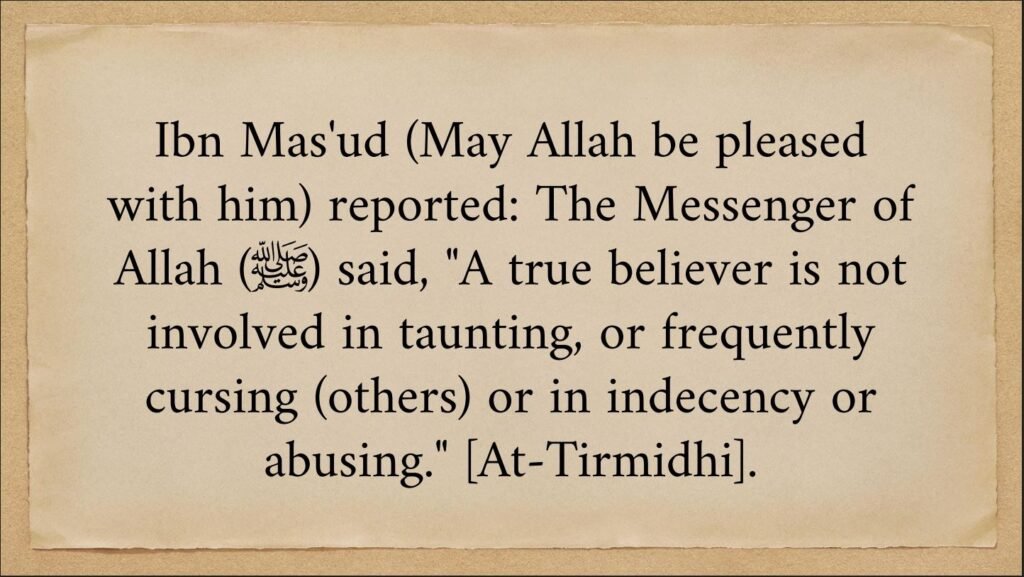
Ibn Mas'ud (May Allah be pleased with him) reported: The Messenger of Allah (ﷺ) said, "A true believer is not involved in taunting, or frequently cursing (others) or in indecency or abusing." [At-Tirmidhi].
Posts published in “Articles”
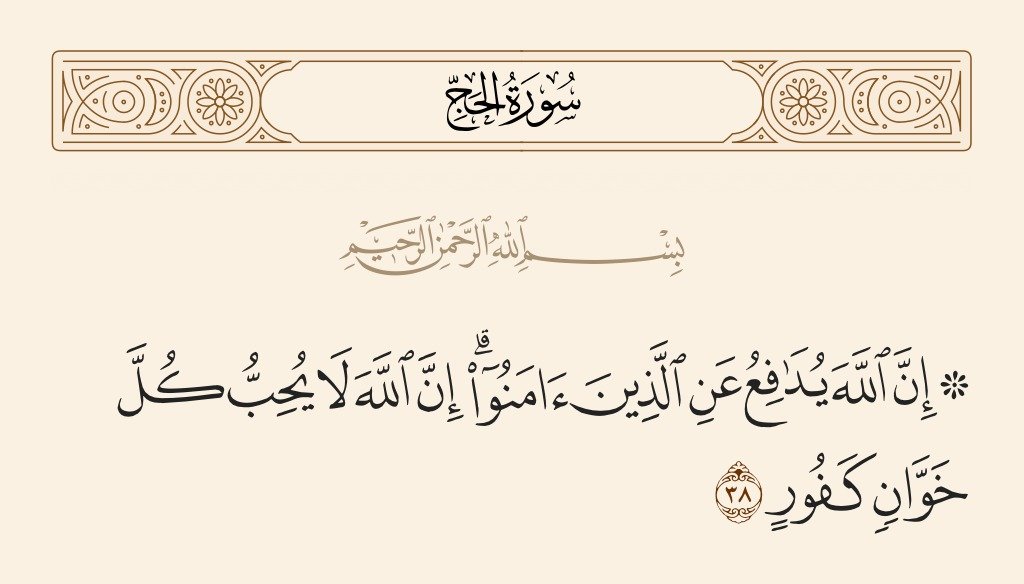
In Suratul Hajj, Allah Subhanahu Wa Ta'aala, and right after declaring that He does not receive either the blood or the flesh or our sacrifices, but He gets the piety of the deeds. Then a turn in the context when He declares that He defends those who have true faith.

Abdulrahman ibn Awf, may Allah be pleased with him, is a great companion of the Prophet, peace and blessings be upon him. He was among the firsts to convert to Islam. He migrated to Medina and took part in all the battles with the Prophet Muhammad, pbuh. He could have been one of the guided Caliphs if he accepted the position.
A great merchant and philanthropist who donated all his money for the sake of Allah.

Less than a month after the agency said it would begin garnishing wages by sending notices to roughly 1,000 borrowers in default the first full week of January, the department said that the temporary delay would allow it to implement “major student loan repayment reforms” under Republicans’ tax and spending cut bill that President Donald Trump signed into law in 2025.

Hind bint Utbah was a prominent Arab woman from Mecca, born into the influential Quraysh tribe as the daughter of Utba ibn Rabi'a, a leading opponent of Islam. She was the wife of Abu Sufyan ibn Harb and the mother of Mu'awiya I, the founder of the Umayyad dynasty.
The Pledge of Aqaba was a turning point in the Prophet Muhammad's message, the history of Islam, and the history of Muslims.
The Pledge of Aqabah refers to two pivotal oaths of allegiance taken by Muslims from Yathrib (later Medina) to Prophet Muhammad (PBUH), occurring in 621 CE (Year 12 of Prophethood) and 622 CE (Year 13 of Prophethood), respectively. These pledges were crucial in preparing for the Hijrah (migration) from Mecca to Medina.
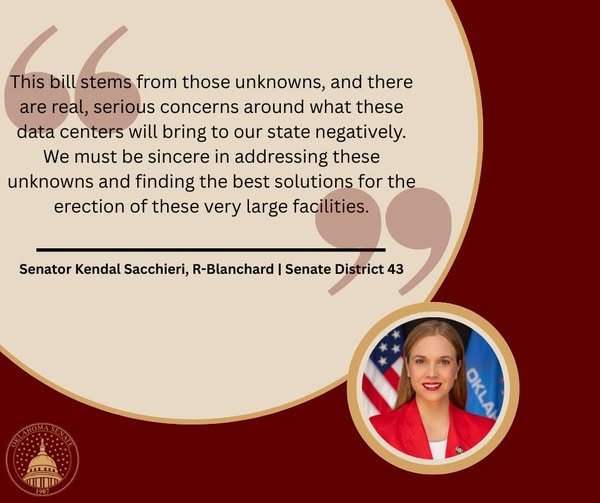
Sen. Kendal Sacchieri (R-Blanchard) has introduced Senate Bill 1488, legislation that would establish a moratorium on the construction of new data centers in Oklahoma until November 1, 2029, and direct the Oklahoma Corporation Commission to study the long-term effects these large facilities may have on state infrastructure and resources
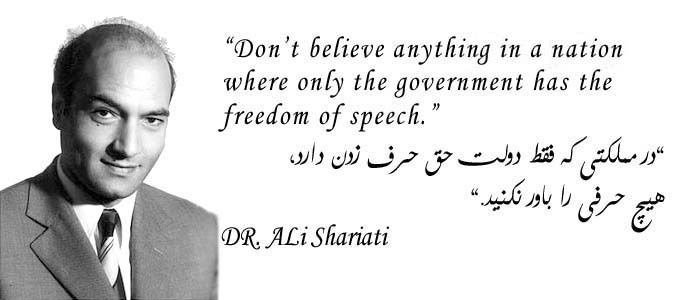
Ali Shariati (1933–1977) was an Iranian sociologist, revolutionary thinker, and powerful orator whose reinterpretation of Shiʿi Islam as a liberating, anti‑imperialist ideology deeply influenced many Iranian students and intellectuals before the 1979 revolution. He sought to fuse Islamic teachings with social justice, existential freedom, and resistance to oppression, earning him a lasting reputation as one of the most important modern Muslim intellectuals.

Tamīm ibn Aws al-Dārī (died 661 AD) was a companion of the Prophet Muhammad, peace and blessings be upon him, and an early convert from Christianity to Islam. In Islamic eschatology, he is known for encountering *Dajjal* during one of his journeys.
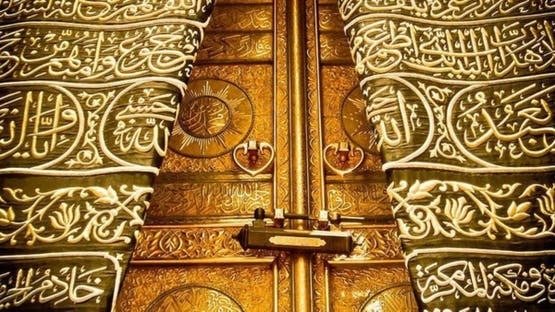
A mysterious encounter on a distant island reveals the ancient history of Makkah through the eyes of its forgotten rulers

The Isra’ and Mi’raj refers to the miraculous Night Journey and Ascension of Prophet Muhammad from Mecca to Jerusalem (Isra’) and then through the heavens to the Divine Presence (Mi’raj), a pivotal event that affirmed his prophethood and established the five daily prayers.
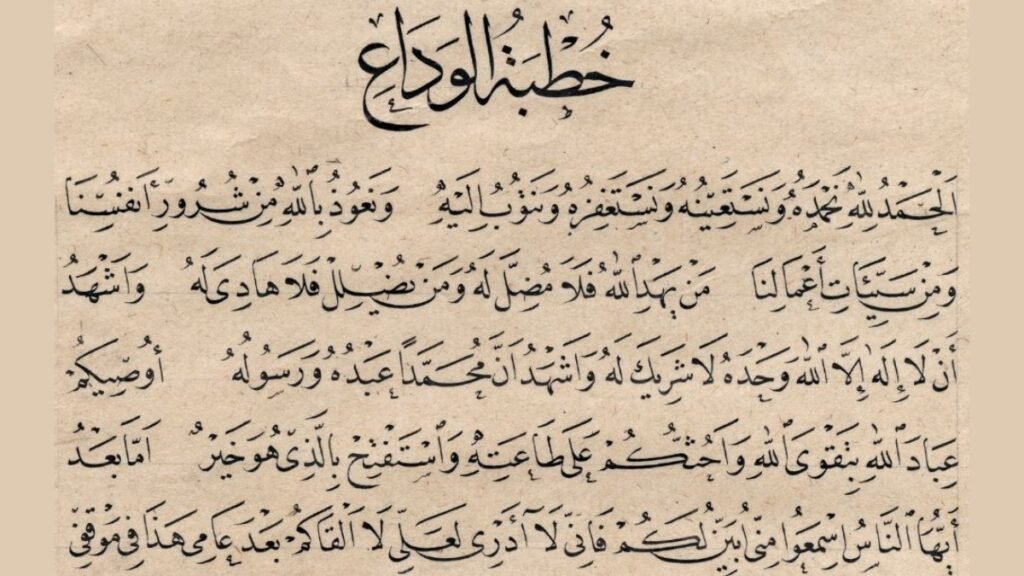
The Prophet Muhammad’s Farewell Sermon, delivered on the Day of Arafah during his final pilgrimage in 10 AH, sanctifies human life, honor, and property, abolishes pre-Islamic usury and blood feuds, and condemns tampering with sacred months. It outlines spousal rights with an emphasis on kindness toward women, declares believers as brothers with no one’s wealth lawful except by consent, affirms equality among humanity regardless of race or tribe except through piety, and leaves the Qur’an and Sunnah as enduring guidance.

This is an analogy struck by the Prophet (peace and blessings of Allah be upon him) for the seeker of the Hereafter. For verily, Satan lies in wait on his path, and the soul along with its false hopes and desires are his helpers. Thus, if he awakens during his journey and purifies his intention in his deeds, he is safe from Satan and his forces, and from the bandits of the road and their aides. Then he is guided to the fact that traversing the path of the Hereafter is difficult, attaining the Hereafter is arduous, and it is not obtained by the slightest effort.

Jabalah ibn al-Ayham, whose real name was al-Munthir ibn al-Harith, was the 36th and last king of the Ghassanid dynasty, which ruled northern Arabia (the Levant) in alliance with the Byzantine Empire.

Arab anecdotes often reflect a culture that highly values family, generosity, and community ties. Storytelling in the Arab world has a rich, ancient tradition. In this one, we see how a knowledgeable scholar could answer with the verses from the Qur'an