
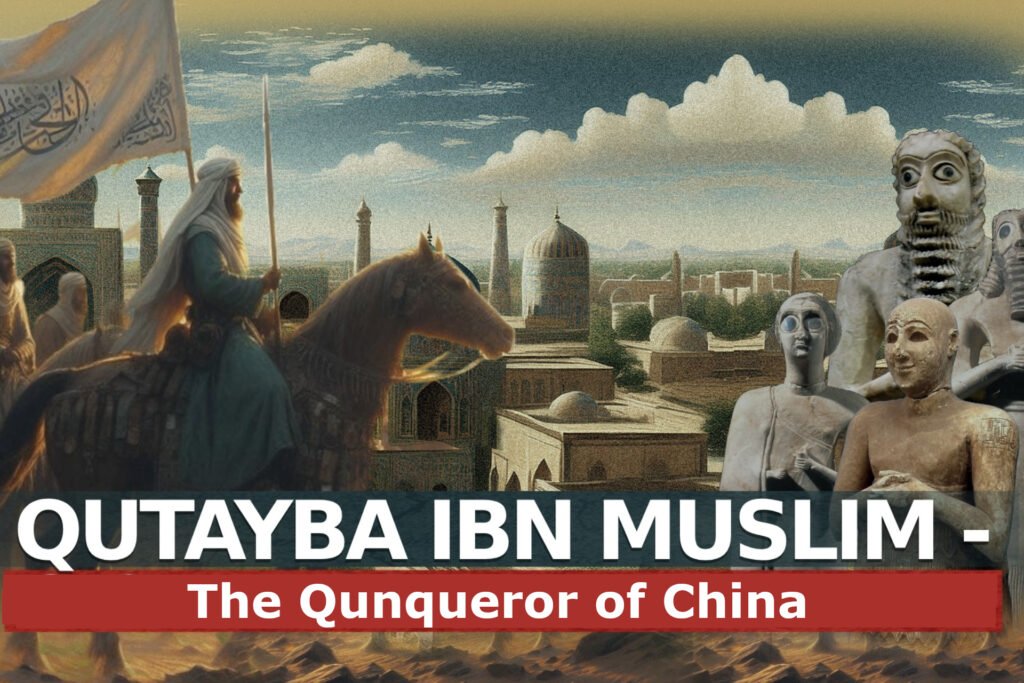
Qutayba was an Arab commander of the Umayyad Caliphate who became governor of Khurasan and distinguished himself in the conquest of Transoxiana during the reign of al-Walid I (705–715). A capable soldier and administrator, he consolidated Muslim rule in the area and expanded the Caliphate's border to include most of Transoxiana. From 705 to c. 710, he consolidated Muslim control over the native principalities of Tokharistan and conquered the principality of Bukhara, while in 710–712 he conquered Khwarizm and completed the conquest of Sogdiana with the capture of Samarkand. The latter opened the road to the Jaxartes valley, and during the last years of his life Qutayba led annual campaigns there, extending Muslim control up to the Fergana Valley and parts of Chinese Turkestan.
Posts published in “Reflection”
Duʿā is vital because it expresses our dependence on Allah, strengthens our relationship with Him, and becomes a means for guidance, mercy, and the changing of our circumstances.
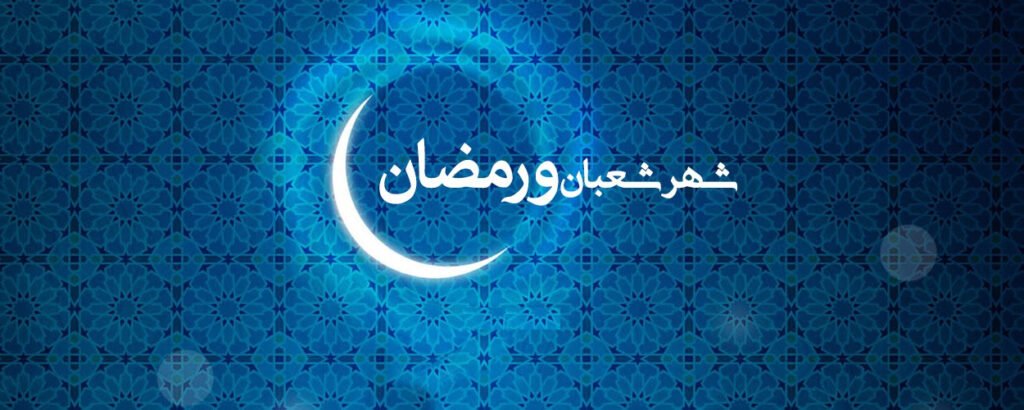
The two months of Shaban and Ramadab carry great significance in Islam. Good deeds in these two months have great value and shouldn't be ignored. In this Khutbah, our brother Othman talks about the two months and the teachings of the Prophet on how to act in them.
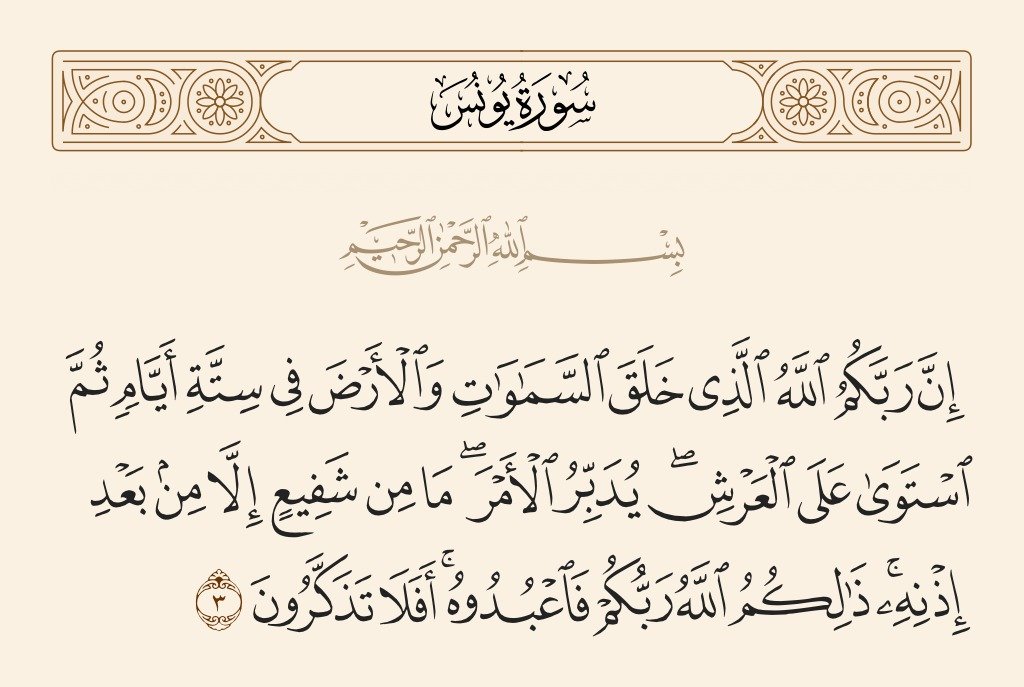
Verse 3 of Chapter 10 of the Quran starts with a declaration of faith, then the miracle of creating the Heavens and the Earth in 6 days.
We see here a mention of the day, the Heavens and the Earth, then we hear about the Throne, and the taking care of every single matter in the existence.
Abu Bakr Assiddiq (May Allah be pleased with him) was the first to believe after Khadija (MABOwH) and the first man to believe.
Abu Bakr's faith was described by the Prophet Muhammad as equivalent to the faith of the Muslim Ummah altogether.
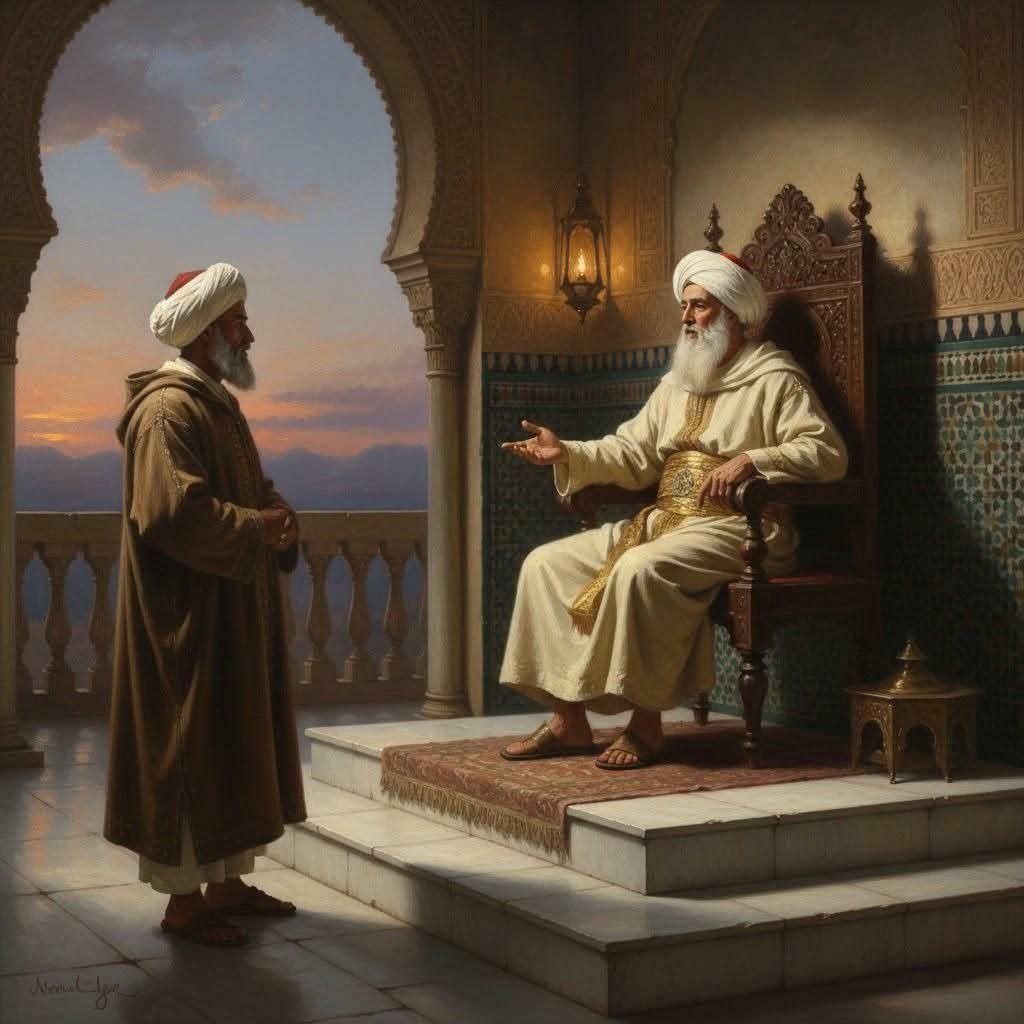
It is nothing but religion: whoever preserves it will lead, and whoever neglects it will fall.
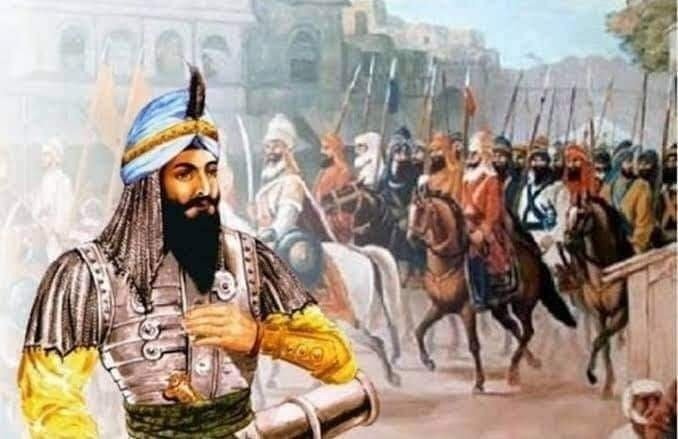
Our kids are taught that “Sher Khan” is the wicked tiger in the jungle who is always attacking Mowgli and his friends. In reality, this is a distortion and a falsehood.
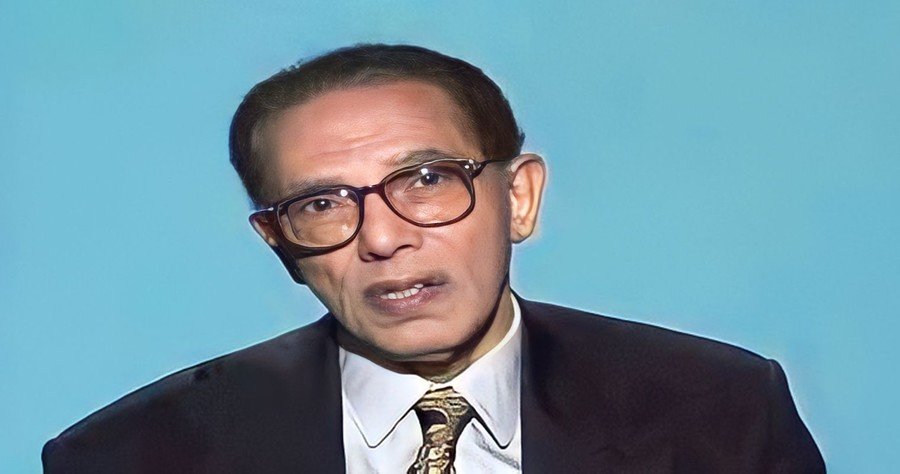
Many questions passed without answers. These questions really meant a lot from the historical point of view. Yet other questions about the nature of our human self remain.
A profound tale about wisdom, dignity, and the art of understanding what remains unspoken

Hind bint Utbah was a prominent Arab woman from Mecca, born into the influential Quraysh tribe as the daughter of Utba ibn Rabi'a, a leading opponent of Islam. She was the wife of Abu Sufyan ibn Harb and the mother of Mu'awiya I, the founder of the Umayyad dynasty.

There are certain times of the year when one needs to stand firm against oneself and one's worldly desires. These times should be used to the maximum to achieve the utmost success.

In this part, we finish our talk on Prophet Zachary and his son, the Prophet John (the Baptist), as related in the Qur'an. We also give a comparative glimpse between the Qur'an and the Bible.

The Prophet (PBUH) summoned ‘Amir and addressed him with a stern, powerful question: “Why would one of you kill his brother? Why did you not say ‘Barak Allahu Lak’ (May Allah bless you) when you saw what you liked?”
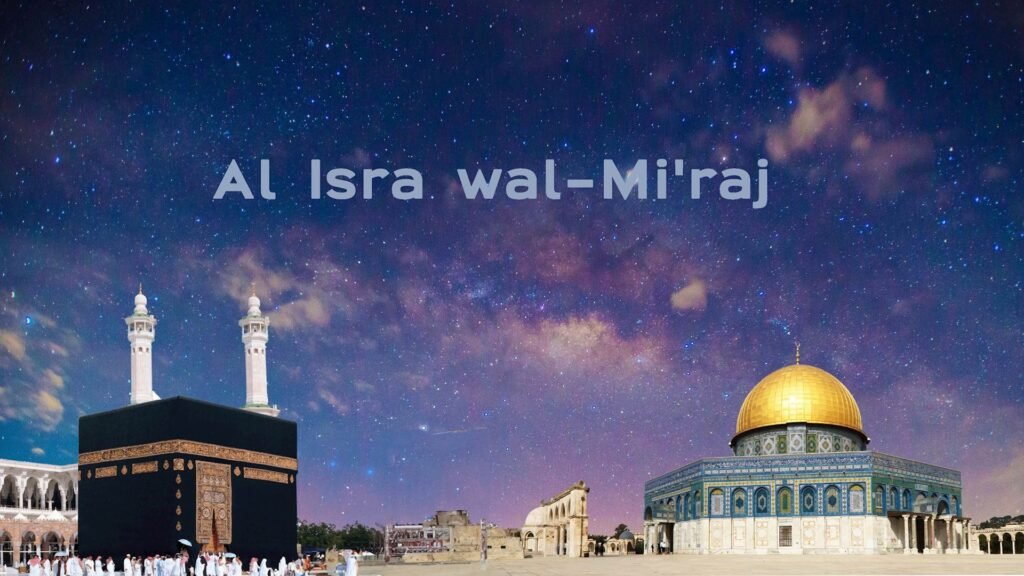
The Isra’ and Mi’raj refers to the miraculous Night Journey and Ascension of Prophet Muhammad from Mecca to Jerusalem (Isra’) and then through the heavens to the Divine Presence (Mi’raj), a pivotal event that affirmed his prophethood and established the five daily prayers.

How the Quran guides us to the finest natural foods—dates, grapes, honey, and milk—and reveals scientific miracles that modern research is only beginning to understand