
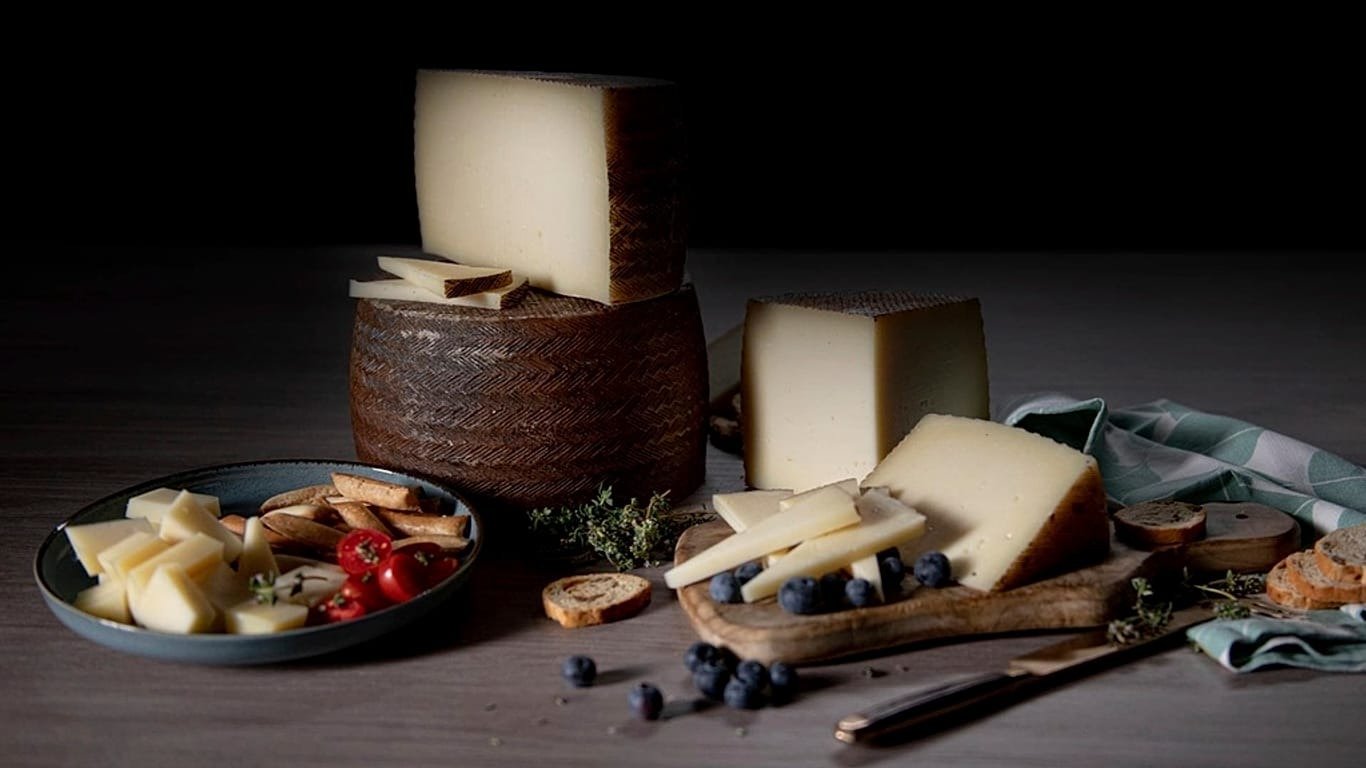
China Slaps 42.7% Tariffs on EU Dairy Products in Escalating Trade War
Beijing cites unfair subsidies in tit-for-tat response to European tariffs on Chinese electric vehicles
China will impose provisional tariffs of up to 42.7% on dairy products including milk and cheese imported from the European Union, its Commerce Ministry announced Monday, escalating a tit-for-tat trade dispute triggered by EU action on Chinese electric vehicles.
The elevated duties, which take effect Tuesday, were based on preliminary results from an investigation opened by China’s Commerce Ministry as tensions between Beijing and Brussels flared over competing subsidy regimes and market access concerns.
Retaliation for EV Tariffs
Beijing reviewed subsidies provided by EU countries for dairy and other farm products as a countermeasure after Brussels investigated Chinese subsidies for electric vehicles and later imposed tariffs as high as 45.3% on China-made EVs.
China’s commerce ministry opened an anti-subsidy investigation in August 2024 into imports of EU dairy products. The probe examined financial support under the EU’s Common Agricultural Policy, as well as additional subsidies from individual EU member states, including direct payments, price support, and other aid to farmers.
How China Determined the Tariff Rates
China’s decision to apply graduated tariff rates is rooted in its trade-remedy investigation framework, which mirrors practices used by the EU, the United States and other major economies. Chinese authorities assessed whether EU subsidies caused “material injury” to China’s dairy sector by lowering prices, increasing EU market share or suppressing the profitability of domestic producers.
Under these rules, companies that cooperate with an investigation — by submitting detailed cost data, responding to questionnaires and allowing verification — are typically rewarded with lower duties. EU dairy producers that cooperated were assigned a 28.6% tariff. Companies that did not cooperate were subject to the maximum rate of 42.7%, a default penalty designed to discourage non-participation.
Based on its preliminary findings, Beijing concluded that EU subsidies had distorted competition in the Chinese market, leading it to impose provisional countervailing duties — with higher rates applied to companies that did not cooperate with the investigation.
Such tiered tariff systems are common in anti-subsidy and anti-dumping cases and are often criticized by trading partners as coercive, particularly when investigations are launched amid broader political or trade disputes — as is the case with the EU–China standoff over electric vehicles.
Part of Broader Trade Offensive
China had initiated other probes into European brandy and pork imports as countermeasures for the EU’s tariffs on Chinese EVs. Last week, Beijing announced it was imposing up to 19.8% tariffs on EU pork imports — significantly lower than preliminary tariffs of up to 62.4%.
It accused the EU of dumping pork and pig by-products in the country, selling them at cheap prices which in turn harmed its domestic pork industry. In July, Beijing also announced up to 34.9% tariffs on brandy imported from the EU — including cognac from France — although several major brandy brands had received exemptions.
European Commission Pushes Back
The European Commission, which manages trade talks and issues on behalf of the 27 EU member states, expressed concern over the tariffs.
Spokesperson Olof Gill told reporters that the commission is examining the reasoning behind the move and intends to provide comments to the Chinese authorities. Gill said the EU remains committed to good trade and investment ties with China.
“But in order for that to meaningfully happen, there is a list of issues and concerns that the European Union has had going back many months and even years that we would require China to address, in terms of overcapacity, in terms of unfair use of trade instruments, in terms of trade deficit, and so on,” he said.
Fractious Relations
China’s relationship with the EU has become increasingly contentious, with disputes over market access, subsidies, and trade imbalances dominating bilateral discussions. The dairy tariffs represent the latest escalation in what has become a multi-sector trade conflict.
The competing investigations and retaliatory measures reflect a broader struggle between two of the world’s largest economies over fair trade practices, industrial policy, and market access. Both sides have accused each other of protectionism and unfair subsidization of domestic industries.
The provisional tariffs take effect Tuesday. Both sides have indicated willingness to negotiate, but substantial differences remain over fundamental issues of subsidies, market access, and fair competition. The European Commission is expected to formally respond to China’s findings and may challenge the tariffs through World Trade Organization dispute settlement procedures.
As the trade dispute deepens, businesses on both sides face uncertainty over market access and increased costs, while consumers may ultimately bear the burden of higher prices for affected products.








Be First to Comment