
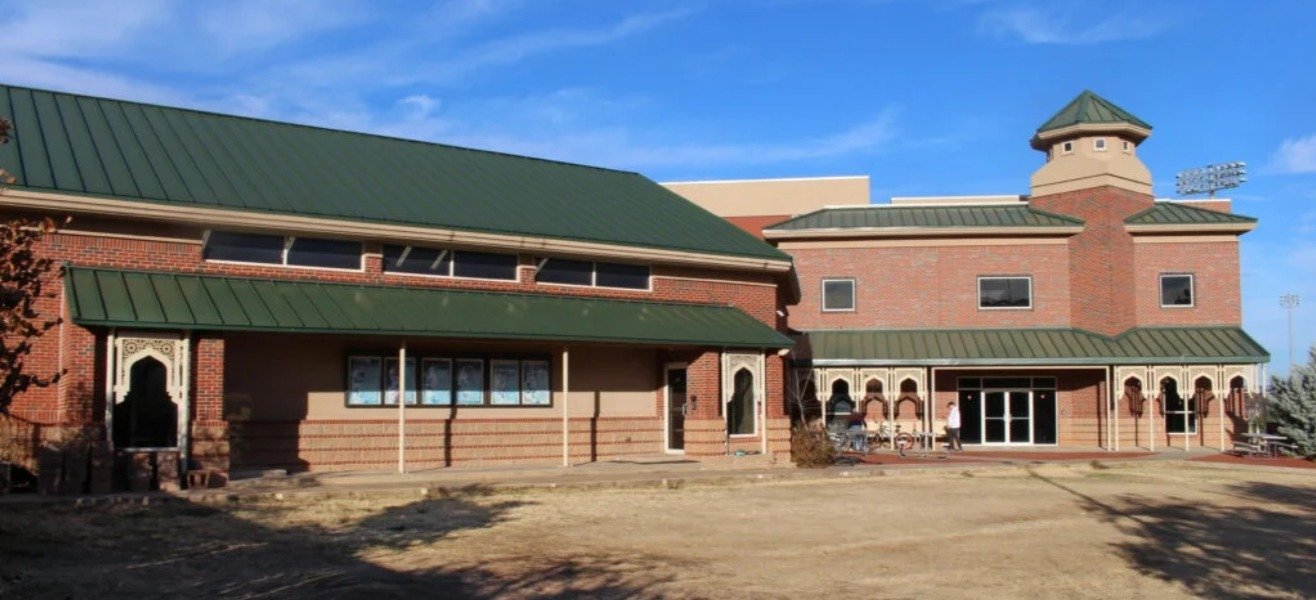
Upholding Islamic Ethics in Community Leadership
An urgent call to end slander, restore trust, and govern our Islamic Center according to the principles of our faith
“Whoever does not show mercy to our young ones or acknowledge the rights of our elders is not one of us.”
On January 26, 2026, The AsSiddique Post received documented information indicating that many ongoing issues at the Islamic Center are not simply the result of personal differences, grudges, or jealousy, as previously assumed, but arise from deeper and more serious problems within the community.
These revelations demand immediate attention and decisive action. What we are witnessing is not merely administrative inefficiency or interpersonal conflict — it is a fundamental breach of the Islamic principles that should govern every aspect of our community institutions.
The Gravity of Slander in Islam
It is unacceptable for any member of our community to abuse, slander, or falsely accuse another Muslim. Slandering a fellow believer — especially by accusing him of a crime that tarnishes his reputation, or cursing him and declaring that he deserves Hellfire — is a grave violation of Islamic teachings and must end immediately. Issuing threats, as the AsSiddique Post has seen, is something that needs to addressed, and now.
“O you who have believed, avoid much [negative] assumption. Indeed, some assumption is sin. And do not spy or backbite each other. Would one of you like to eat the flesh of his brother when dead? You would detest it. And fear Allah; indeed, Allah is Accepting of repentance and Merciful.”
— Surah Al-Hujurat (49:12)
The Quran could not be clearer. Backbiting is likened to consuming the flesh of one’s dead brother — a visceral image meant to illustrate the profound ugliness of this sin. When such behavior occurs within the walls of an Islamic Center, it is not just a violation of community norms; it is a direct transgression against Allah’s commands.
Systemic Failures Require Systemic Solutions
Serious flaws and repeated mistakes have taken place, and concerns about mismanagement have been raised many times. Merely patching issues without implementing firm, sincere corrective measures will not resolve these problems.
In Islamic jurisprudence, an amanah is a sacred trust. Those entrusted with leadership positions in Islamic institutions are not merely administrators — they are custodians of a divine trust. They will be questioned by Allah about how they discharged this responsibility. Mismanagement, negligence, or using the position for personal gain constitutes a betrayal of this trust.
We have witnessed band-aid solutions applied to structural problems. We have seen accountability deferred, conflicts swept under the rug, and serious concerns dismissed as “personal disputes.” This approach has failed. The community deserves better. Islam demands better.
The Poison of False Reports and Biased Narratives
Members who persist in slander, backbiting, and spreading false reports — or even biased accounts presented as “their version of the truth” — must cease this unacceptable conduct.
The Prophet Muhammad ﷺ said: “Should I not inform you of the greatest of major sins?” The companions said, “Yes, O Messenger of Allah.” He said: “Associating partners with Allah, disobedience to parents, false testimony, and false speech.” He repeated “false testimony and false speech” until we wished he would stop. (Sahih al-Bukhari)
False testimony is ranked among the gravest sins in Islam — alongside shirk (polytheism) and disobedience to parents. Yet we find individuals within our own community willing to engage in this very sin, whether through outright fabrications or through selective presentations of “truth” designed to mislead.
Such behavior destroys trust, divides the community, and contradicts the morals that Islam commands us to uphold. It creates an atmosphere of suspicion and fear where honest dialogue becomes impossible and reconciliation grows increasingly distant.
The True Purpose of Islamic Institutions
The Islamic Center exists for one purpose: to serve Allah and His religion. Its mission must remain free from personal agendas and worldly interests, focused solely on:
- Establishing the five daily prayers and creating an environment conducive to worship
- Teaching the Quran and Sunnah to adults and children alike
- Providing Islamic education that builds strong Muslim character
- Serving as a sanctuary for spiritual growth and community support
- Representing Islam with dignity and authenticity to the wider community
- Conveying the message As a fulfillment of what the Prophet, pbuh, has ordered. Because to some degree, we are responsible to answer anyone before God “why didn’t you tell me?”
- Resolving conflicts according to Islamic principles of justice and reconciliation
When individuals use the Islamic Center as a platform for personal ambition, social climbing, or financial benefit, they corrupt its sacred mission. When leaders prioritize their own interests over the community’s welfare, they betray the trust placed in them.
A Call to Accountability
“O you who have believed, be persistently standing firm in justice, witnesses for Allah, even if it be against yourselves or parents and relatives.”
— Surah An-Nisa (4:135)
Fear Allah, Subhanahu wa Ta’ala, and remember that each of us will be questioned about our actions, our words, and the way we treated one another.
Those who persist in spreading suspicions, false claims, slander, and threats — especially when done secretly and from the shadows — must be held accountable. Transparency and justice demand it. Islamic ethics require it.
This is not a call for witch hunts or vindictive purges. It is a call for principled accountability. Those who have engaged in slander must repent and seek forgiveness from those they have wronged. Those who have mismanaged the Center’s affairs must acknowledge their failures and step aside if they cannot correct them. Those who have used the Center for personal gain must examine their intentions and return to sincerity.
The Path Forward
The problems facing our Islamic Center are serious, but they are not insurmountable. Solutions exist, but they require:
- Genuine repentance (tawbah) from those who have wronged others
- Clear policies and procedures governing leadership conduct and decision-making
- Transparent financial management with regular audits and public reporting
- Independent oversight mechanisms to address complaints and resolve conflicts
- Education programs to remind community members of their Islamic responsibilities
- Regular community meetings where concerns can be raised and addressed openly
- A renewed commitment to placing Allah’s pleasure above all personal considerations
This is your Islamic Center for as long as you are in Stillwater. It belongs to all of us, and to all who will come after us, and we all bear responsibility for its well-being. Speak up when you witness wrongdoing. Demand accountability from your leaders. Support those who stand for truth and justice. And above all, hold yourself to the highest standard of Islamic conduct.
The time for silence has passed. The time for action is now.
“Whoever among you sees an evil action, let him change it with his hand [by taking action]; if he cannot, then with his tongue [by speaking out]; and if he cannot, then with his heart [by hating it] — and that is the weakest of faith.”
(Sahih Muslim)
We have spoken out. Now it is time for action. May Allah guide us all to what pleases Him, unite our hearts upon the truth, and grant us the strength to uphold justice even when it is difficult.
“And hold firmly to the rope of Allah all together and do not become divided.”
— Surah Al-Imran (3:103)






Be First to Comment