
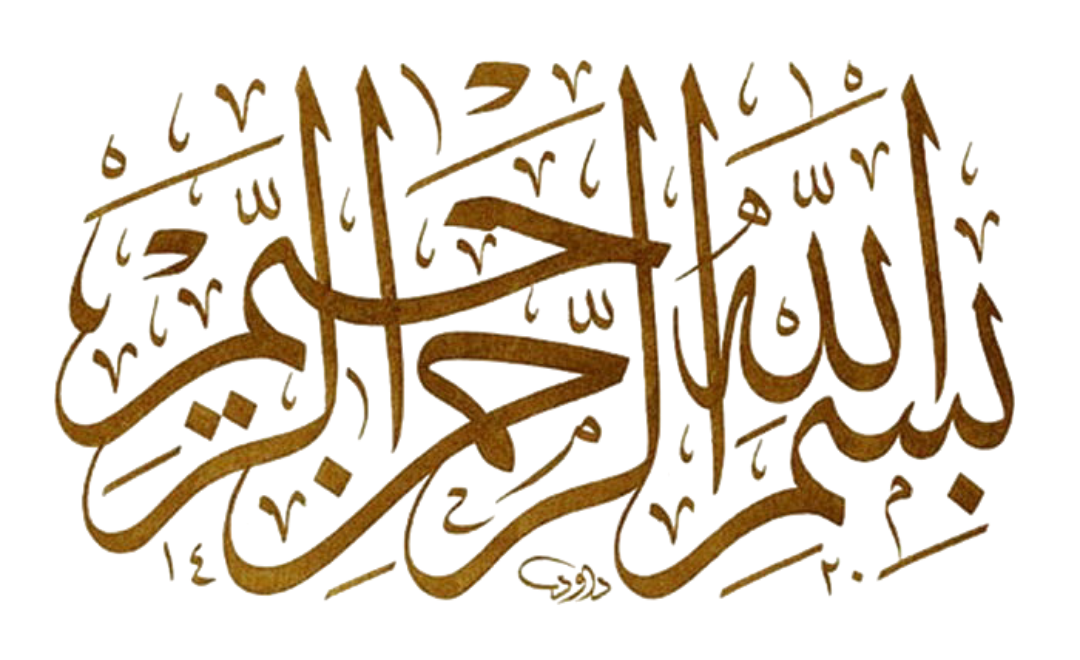
ٱلۡحَمۡدُ لِلَّهِ ٱلَّذِي خَلَقَ ٱلسَّمَٰوَٰتِ وَٱلۡأَرۡضَ وَجَعَلَ ٱلظُّلُمَٰتِ وَٱلنُّورَۖ ثُمَّ ٱلَّذِينَ كَفَرُواْ بِرَبِّهِمۡ يَعۡدِلُونَ (1)
[All] Praise is [due] to Allah, who created the heavens and the earth and made the darkness and the light. Then those who disbelieve equate [others] with their Lord.
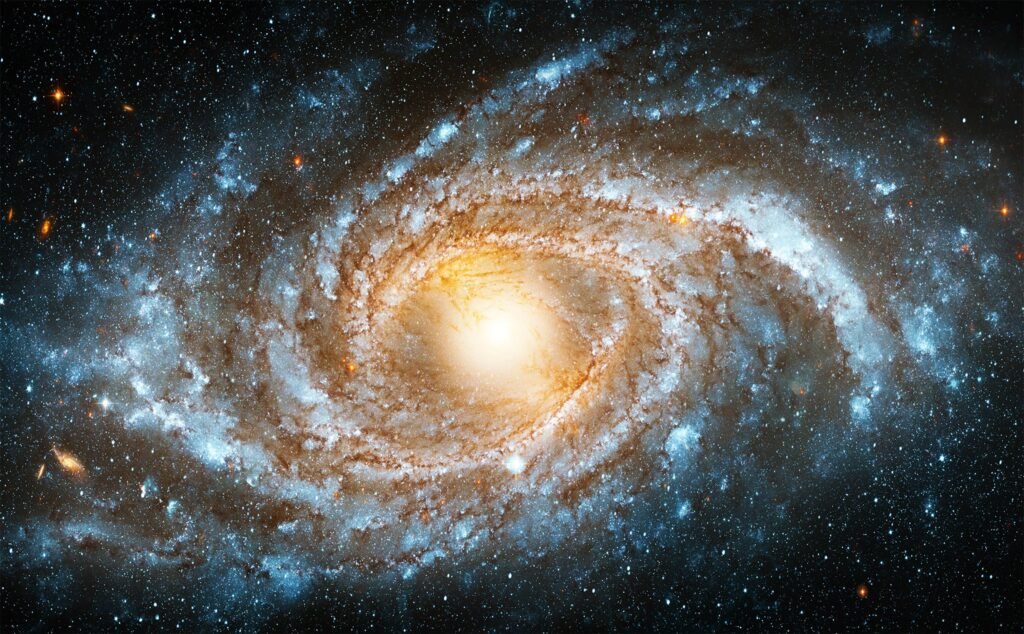
A great verse (Aya) from the Qur’an, the very first of Surat Al-An’am (Chapter 6). The opening verses of the Qur’anic chapters consistently introduce the core themes, stress a foundational truth, or declare an absolute reality, often containing profound hints of knowledge that transcend human limitations. This particular verse immediately engages the reader by starting with God, the Almighty, praising Himself (by Himself). For many outside the Islamic tradition, this concept of divine self-praise may seem odd. However, the idea is clear and central to the Islamic concept of the Divine. For Muslims, God (Allah1) is defined by absolute uniqueness and perfection. He is the Creator, the Sustainer, the Everlasting, the Merciful, the Magnificent, and the Highest—among countless other attributes of infinite perfection. In Islam, God is not limited or constrained by human mental abilities or our logical frameworks. Muslims believe God is absolutely unlimited in all His attributes and powers. God does not possess a shape, a figure, or any characteristic that we can conceive or imagine. The Almighty is unique in everything He is and is beyond the comprehension of His creation. Consequently, it is God, the Almighty, and God alone, Who possesses the perfect and infinite knowledge required to fully appreciate and comprehend His own Majesty and might. This makes the concept of divine self-praise entirely reasonable: when God praises Himself, it is the ultimate form of truth, for He knows Himself better than anyone, and His praise is the most perfect reflection of His boundless, absolute perfection.
Yet the verse does not leave the Divine praise as a mere abstraction, but continues by mentioning the specific attributes and actions for which God is praised in this verse. The verse continues, attributing all praise to God for creating the heavens and the earth, and for making darkness and light in such a fascinating, ordered way. This concise phrasing immediately invites deep contemplation, prompting us to discern a fundamental connection between the Earth and the heavens. Were they created together? Are they composed of related materials? Are their systems fundamentally connected and interdependent? The existence of one seems to imply the other’s necessity. These are profound questions that open the door to scientific research, keeping the human mind busy for generations.
What is astonishing is that the modern scientific answers we now possess—answers concerning cosmology, unified creation, and the origin of matter—were only recently discovered and understood. The fact that a Book revealed over 1400 years ago could pose these deep, interconnected questions, hinting at a basic knowledge of the creation process, is in itself a spectacular miracle. However, the verse holds one more astonishing detail that has sparked years of contemplation: God, the Almighty, uses the verb created when referring to the heavens and the earth, but uses the verb made when referring to darkness and brightness (not explicitly light). This subtle yet powerful linguistic distinction, contrasting creation with the act of making, points to a truth that deserves an entire separate exploration.
- Allah is the name of God in Semitic languages (Arabic, Aramaic, Hebrew, …). It is pronounced with an emphatic “L” as you pronounce L in the words (Luck) or (Illustrate)/ ↩︎






Be First to Comment