
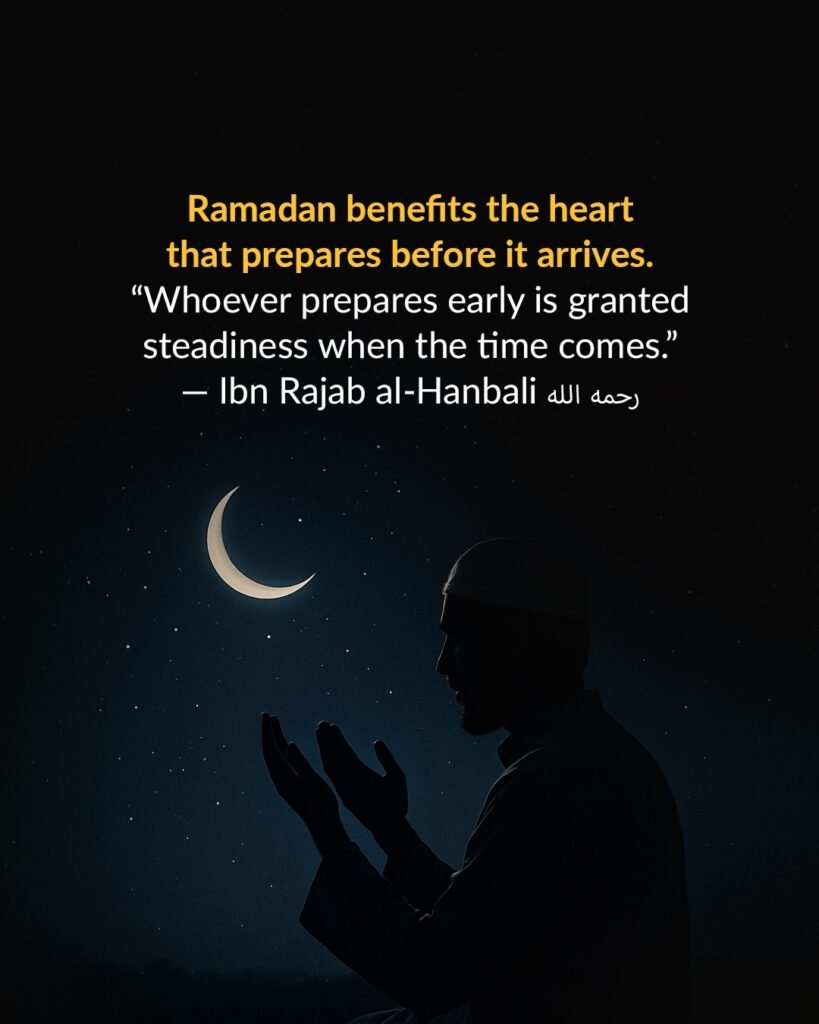
Preparing for Ramadan involves strengthening your spiritual, physical, and mental readiness by gradually increasing daily Quran recitation, practicing sunnah fasts in Sha’ban, and establishing consistent prayer routines. To maximize the month, set specific goals, prepare healthy meal plans, and detox from distractions to focus on gratitude, repentance, and sincere intention.
Posts tagged as “hadith”

We often worry about how we will die. Will it be peaceful? Will it be sudden? Will we have time to repent? But the truth that liberates us from this anxiety is profound: A good ending (Husn al-Khatimah) is not about the manner of your death — it's about the quality of your life.
The Night of Mid-Sha’ban, known in Arabic as Laylat al-Nisf min Sha’ban, is one of the greatest nights of the year. In the Islamic understanding, the night precedes the day so it falls on the night before the fifteenth day of Sha’ban. ‘Ata’ bin Yasar, who narrated hadith from the Companions, said that after Laylat al-Qadr, there is no night better than the Night of Mid-Sha’ban. Its greatness is due to the divine gifts that are bestowed during it.
Duʿā is vital because it expresses our dependence on Allah, strengthens our relationship with Him, and becomes a means for guidance, mercy, and the changing of our circumstances.
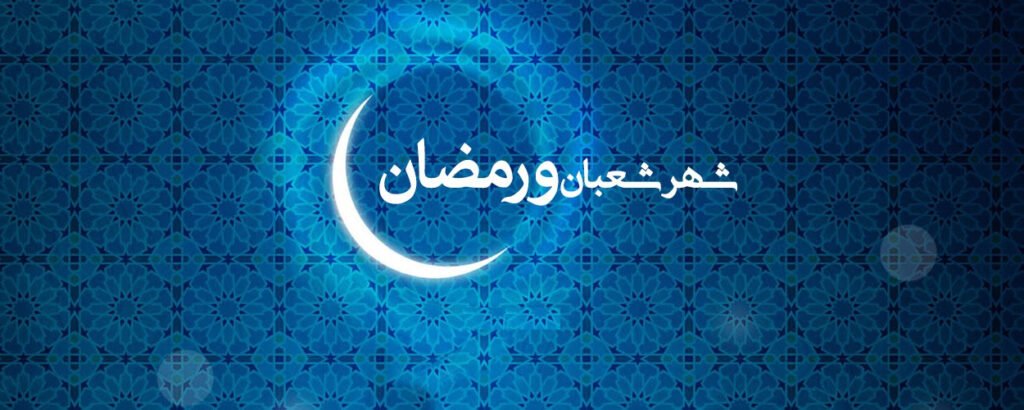
The two months of Shaban and Ramadab carry great significance in Islam. Good deeds in these two months have great value and shouldn't be ignored. In this Khutbah, our brother Othman talks about the two months and the teachings of the Prophet on how to act in them.
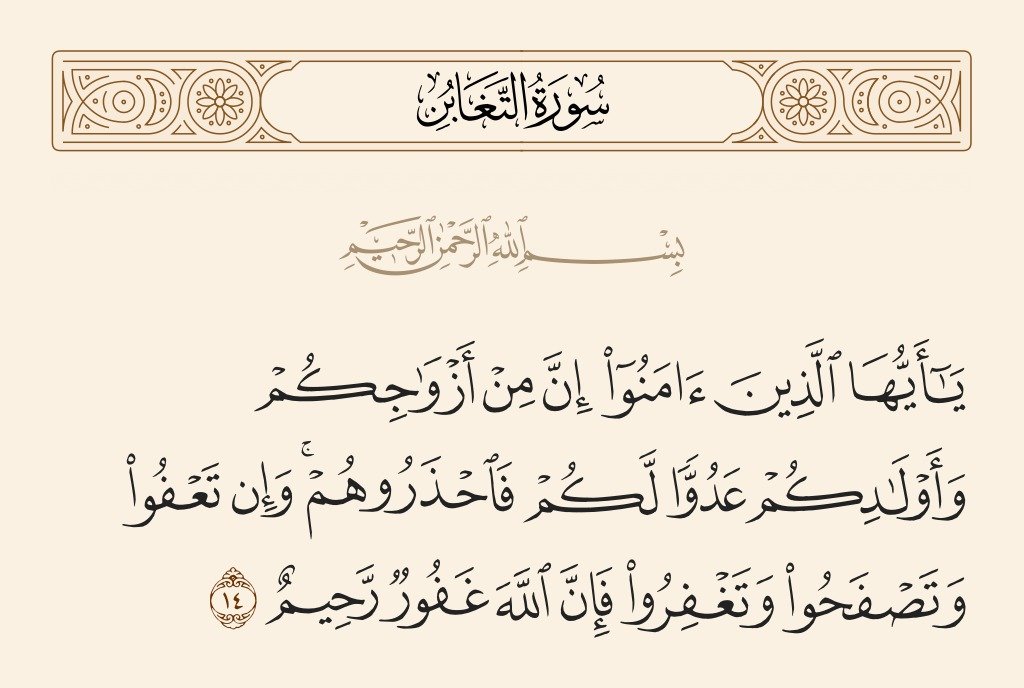
O you who have believed in Allah and His Messenger: indeed, among your spouses and your children are enemies to you who hinder you from the path of Allah and discourage you from His obedience; so be wary of them and do not obey them. Yet, if you overlook their misdeeds, turn away from them, and conceal them, then indeed Allah is Forgiving and Merciful. He will forgive your sins, for He, Glory be to Him, is Great in Forgiveness and Vast in Mercy.
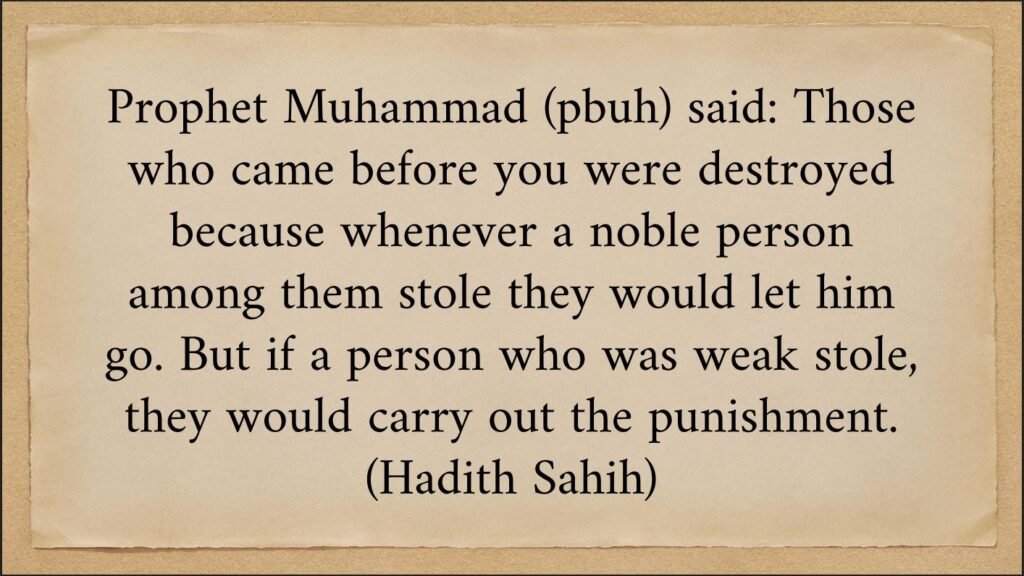
Justice has one face; it is applied to all, or this is how it should be.
On the days of the Messenger, peace and blessings of Allah (SWT), an incident happened that included a woman from the Makhzumites, where people wanted to save her from punishment just because of her family.

A profound tale about wisdom, dignity, and the art of understanding what remains unspoken
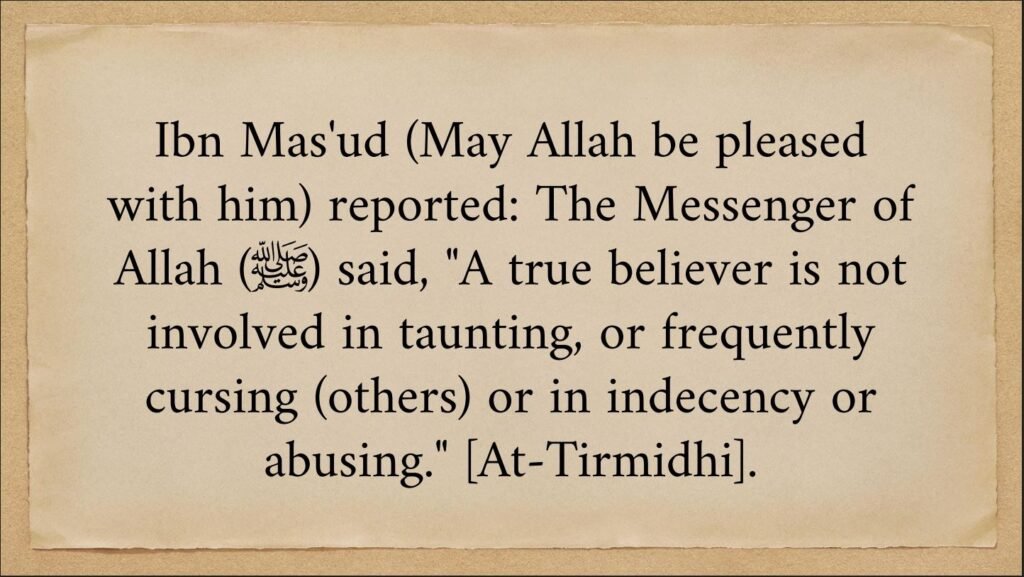
Ibn Mas'ud (May Allah be pleased with him) reported: The Messenger of Allah (ﷺ) said, "A true believer is not involved in taunting, or frequently cursing (others) or in indecency or abusing." [At-Tirmidhi].
The Pledge of Aqaba was a turning point in the Prophet Muhammad's message, the history of Islam, and the history of Muslims.
The Pledge of Aqabah refers to two pivotal oaths of allegiance taken by Muslims from Yathrib (later Medina) to Prophet Muhammad (PBUH), occurring in 621 CE (Year 12 of Prophethood) and 622 CE (Year 13 of Prophethood), respectively. These pledges were crucial in preparing for the Hijrah (migration) from Mecca to Medina.

Tamīm ibn Aws al-Dārī (died 661 AD) was a companion of the Prophet Muhammad, peace and blessings be upon him, and an early convert from Christianity to Islam. In Islamic eschatology, he is known for encountering *Dajjal* during one of his journeys.

There are certain times of the year when one needs to stand firm against oneself and one's worldly desires. These times should be used to the maximum to achieve the utmost success.

The Prophet (PBUH) summoned ‘Amir and addressed him with a stern, powerful question: “Why would one of you kill his brother? Why did you not say ‘Barak Allahu Lak’ (May Allah bless you) when you saw what you liked?”

It was narrated from 'Uqbah bin 'Amr, Abu Mas’ud, that the Messenger of Allah ﷺ said: "Among the words that people learned from the earlier Prophets are: 'If you feel no shame, then do as you wish.’"
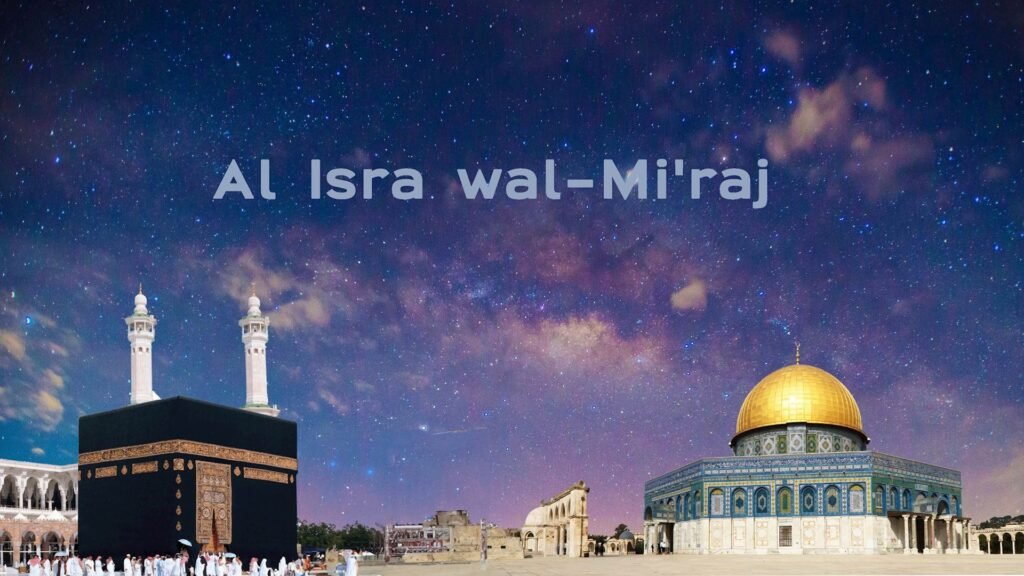
The Isra’ and Mi’raj refers to the miraculous Night Journey and Ascension of Prophet Muhammad from Mecca to Jerusalem (Isra’) and then through the heavens to the Divine Presence (Mi’raj), a pivotal event that affirmed his prophethood and established the five daily prayers.