
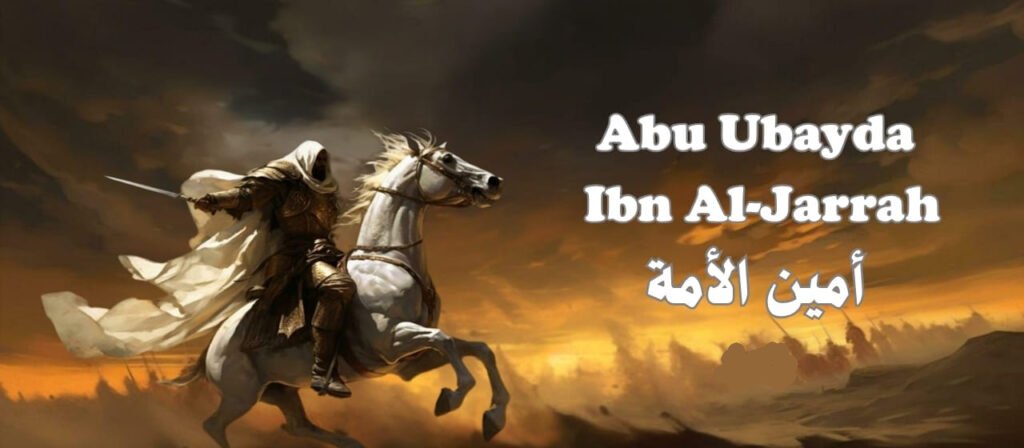
A Muslim commander and one of the Companions of the Prophet. He is mostly known for being one of the ten to whom Paradise was promised. He was the commander of a large section of the Rashidun Army during the time of the second Rashidun Caliph Umar. He was on the list of Umar's appointed successors to the Caliphate, but died during the Plague of Amwas in 639 before Umar.
Posts tagged as “Quran”
Posts on the Qur’an
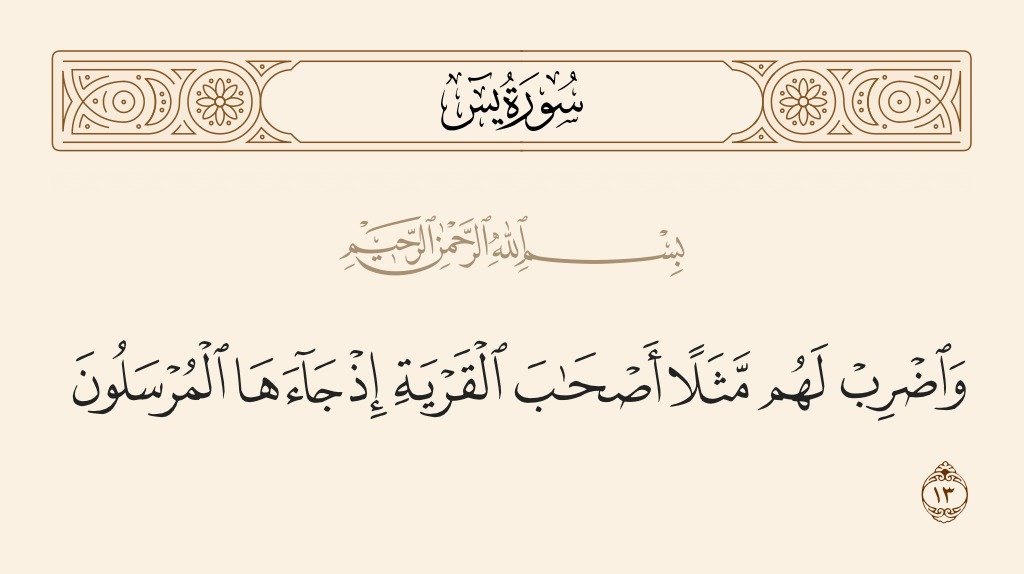
In this article, we talk about the people of the village whom Allah (SWT) sent them two Prophets and then supported them with a third. What happened to them? How was their reaction? What did God, the Almighty, do, and then what was their ultimate punishment.
Duʿā is vital because it expresses our dependence on Allah, strengthens our relationship with Him, and becomes a means for guidance, mercy, and the changing of our circumstances.
The two months of Shaban and Ramadab carry great significance in Islam. Good deeds in these two months have great value and shouldn't be ignored. In this Khutbah, our brother Othman talks about the two months and the teachings of the Prophet on how to act in them.
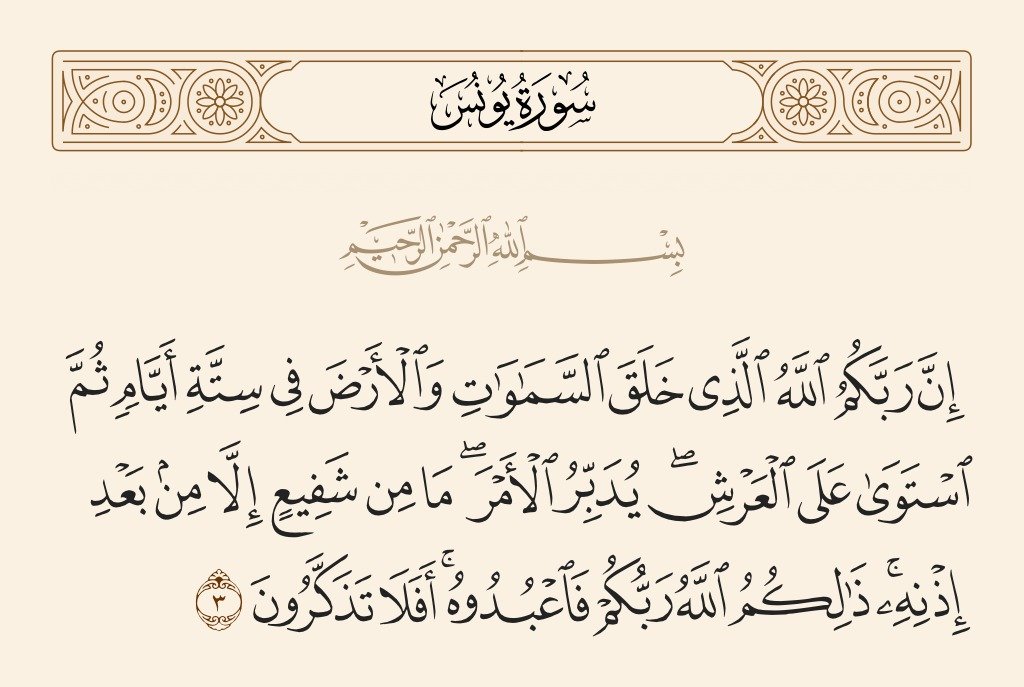
Verse 3 of Chapter 10 of the Quran starts with a declaration of faith, then the miracle of creating the Heavens and the Earth in 6 days.
We see here a mention of the day, the Heavens and the Earth, then we hear about the Throne, and the taking care of every single matter in the existence.
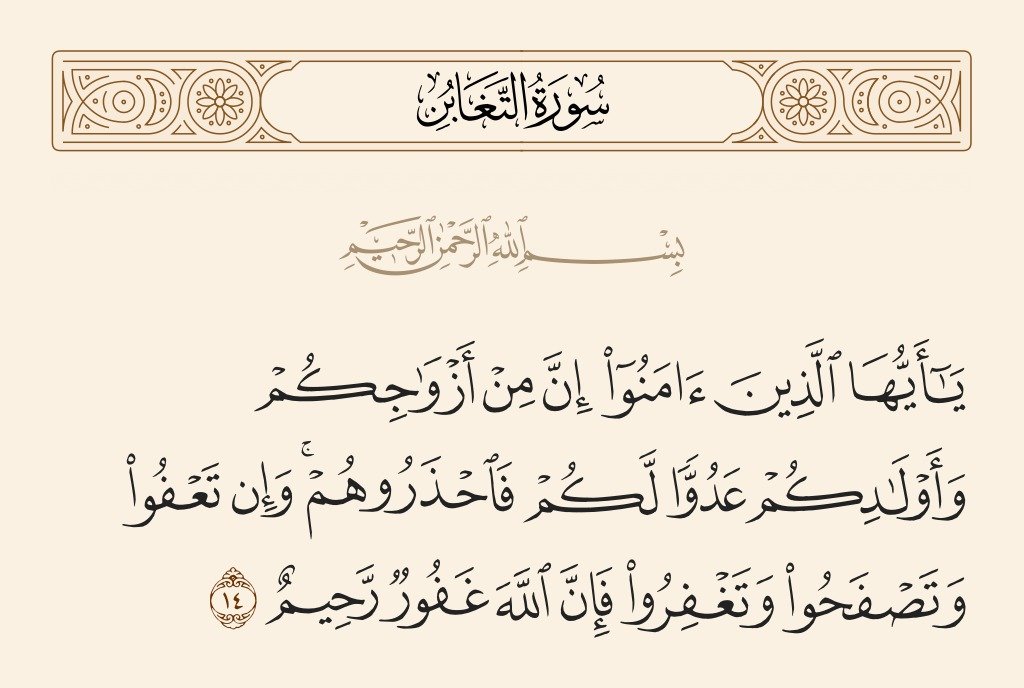
O you who have believed in Allah and His Messenger: indeed, among your spouses and your children are enemies to you who hinder you from the path of Allah and discourage you from His obedience; so be wary of them and do not obey them. Yet, if you overlook their misdeeds, turn away from them, and conceal them, then indeed Allah is Forgiving and Merciful. He will forgive your sins, for He, Glory be to Him, is Great in Forgiveness and Vast in Mercy.
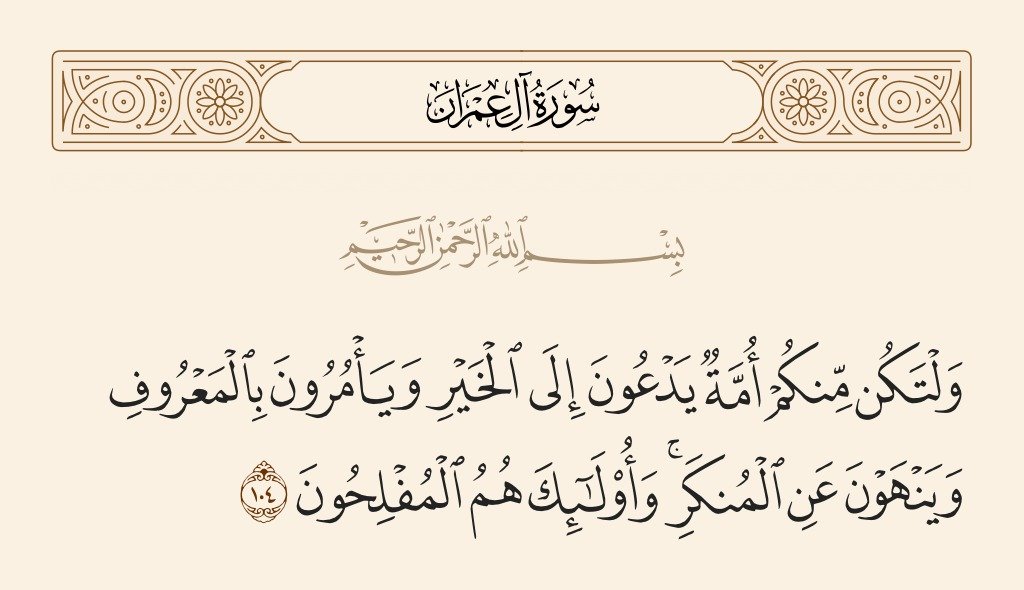
It is only fitting that those who strive for self-perfection also seek the perfection of others; through this, people become a single nation, united in faith and righteousness.

A profound tale about wisdom, dignity, and the art of understanding what remains unspoken
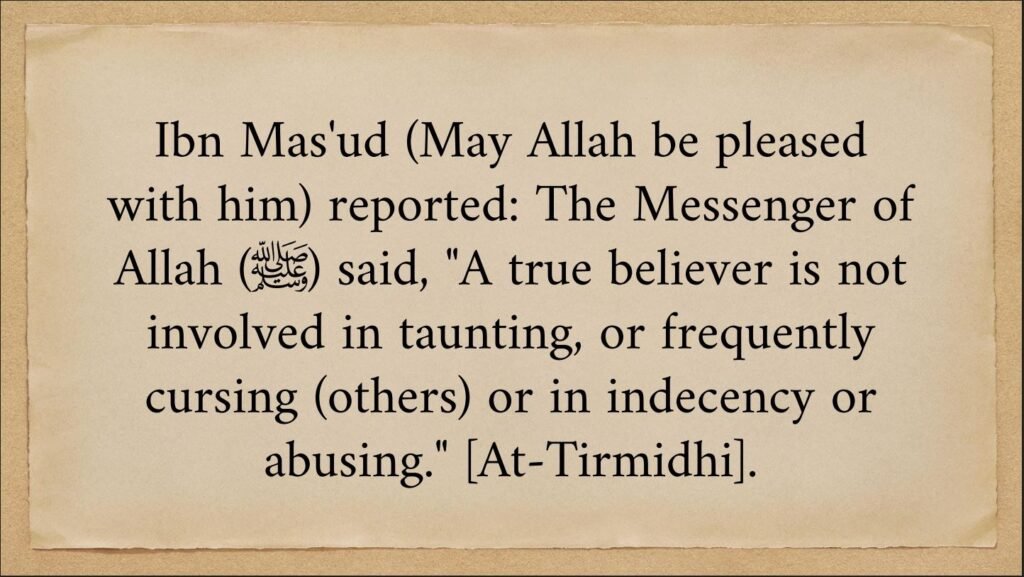
Ibn Mas'ud (May Allah be pleased with him) reported: The Messenger of Allah (ﷺ) said, "A true believer is not involved in taunting, or frequently cursing (others) or in indecency or abusing." [At-Tirmidhi].
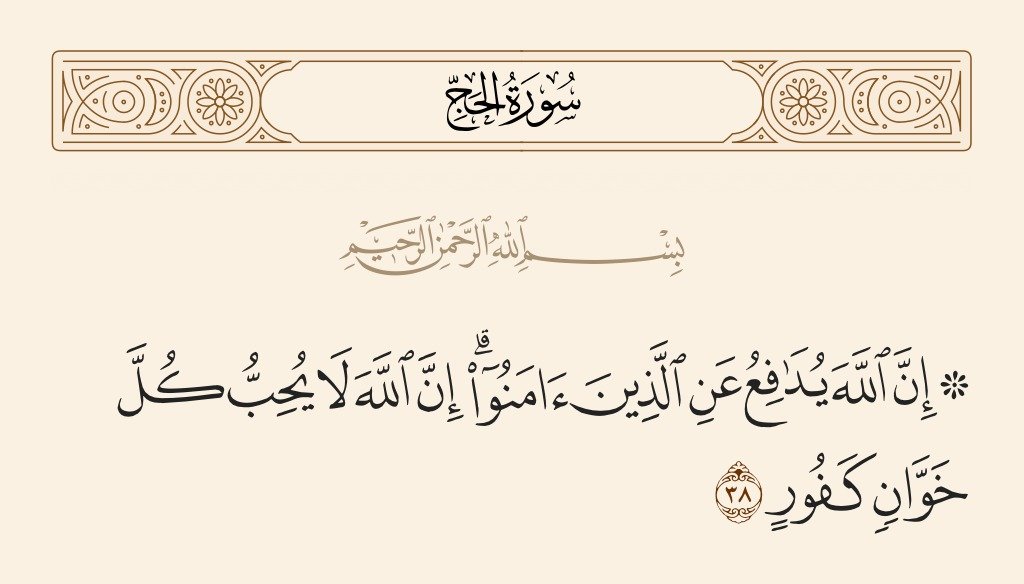
In Suratul Hajj, Allah Subhanahu Wa Ta'aala, and right after declaring that He does not receive either the blood or the flesh or our sacrifices, but He gets the piety of the deeds. Then a turn in the context when He declares that He defends those who have true faith.
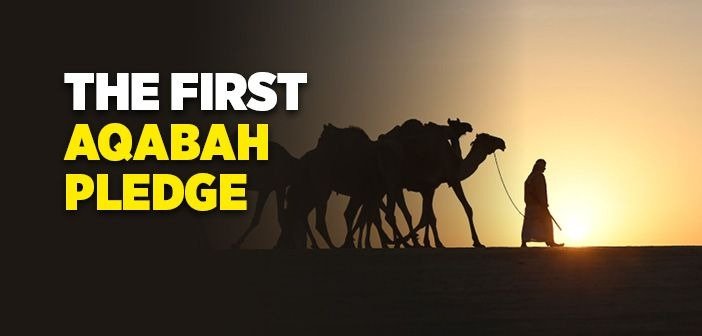
The Pledge of Aqaba was a turning point in the Prophet Muhammad's message, the history of Islam, and the history of Muslims.
The Pledge of Aqabah refers to two pivotal oaths of allegiance taken by Muslims from Yathrib (later Medina) to Prophet Muhammad (PBUH), occurring in 621 CE (Year 12 of Prophethood) and 622 CE (Year 13 of Prophethood), respectively. These pledges were crucial in preparing for the Hijrah (migration) from Mecca to Medina.

There are certain times of the year when one needs to stand firm against oneself and one's worldly desires. These times should be used to the maximum to achieve the utmost success.

In this part, we finish our talk on Prophet Zachary and his son, the Prophet John (the Baptist), as related in the Qur'an. We also give a comparative glimpse between the Qur'an and the Bible.
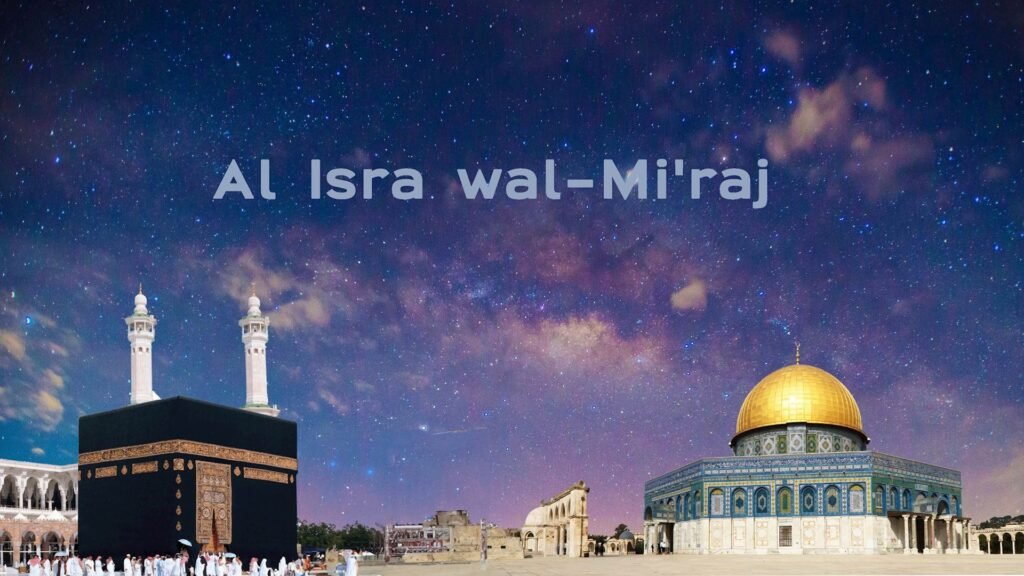
The Isra’ and Mi’raj refers to the miraculous Night Journey and Ascension of Prophet Muhammad from Mecca to Jerusalem (Isra’) and then through the heavens to the Divine Presence (Mi’raj), a pivotal event that affirmed his prophethood and established the five daily prayers.
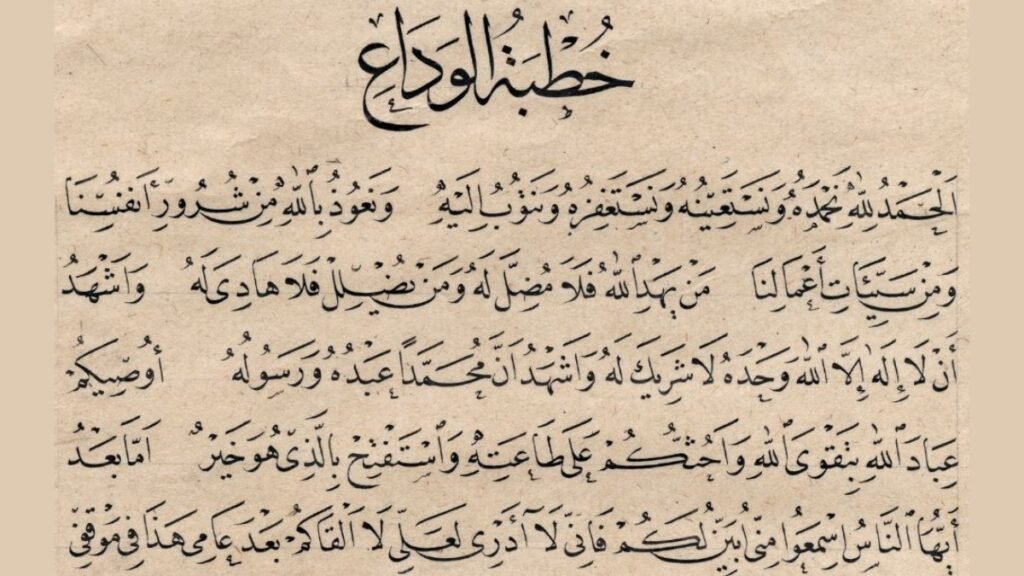
The Prophet Muhammad’s Farewell Sermon, delivered on the Day of Arafah during his final pilgrimage in 10 AH, sanctifies human life, honor, and property, abolishes pre-Islamic usury and blood feuds, and condemns tampering with sacred months. It outlines spousal rights with an emphasis on kindness toward women, declares believers as brothers with no one’s wealth lawful except by consent, affirms equality among humanity regardless of race or tribe except through piety, and leaves the Qur’an and Sunnah as enduring guidance.