
Ramadan does not suddenly begin when the first night of fasting arrives; it is a season that deserves thoughtful preparation. Getting ready for Ramadan means clearing space in your schedule, your heart, and your mind so you can welcome this blessed month with clarity and purpose. In this article, we will cover simple, realistic ways to prepare—spiritually, emotionally, and practically—so that when Ramadan comes, you are not scrambling to adjust, but ready to reap its rewards from the very first day.
Posts tagged as “reflection”
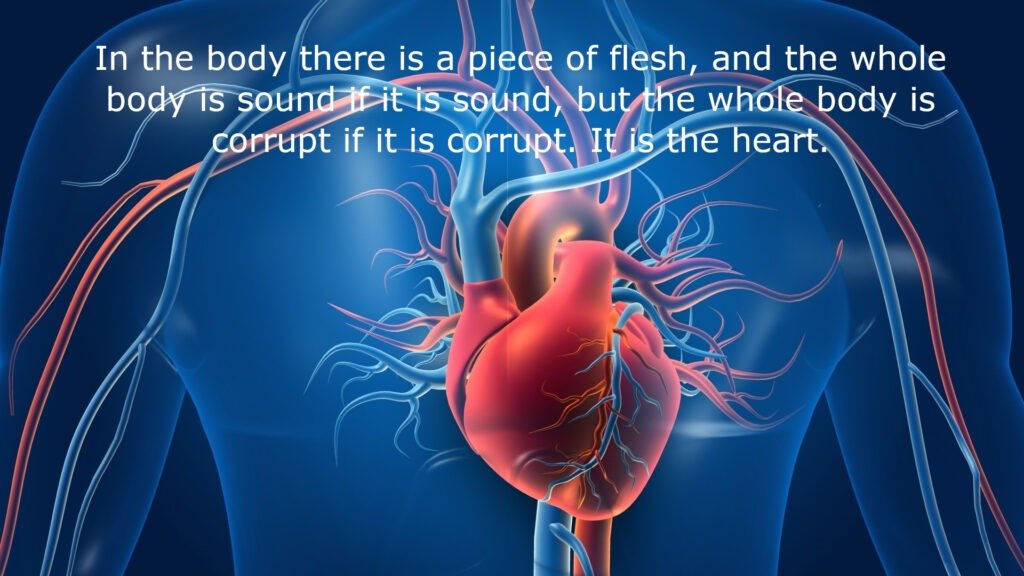
This Hadith (saying) from the Prophet is very important, and it is also very telling. It is the heart and nothing else. If the heart is good, the person, his character, his morals will be good, yet the opposite is also true.
Ramadan is a month of mercy, forgiveness, and transformation, and truly benefiting from it begins well before the crescent is sighted. Preparing for Ramadan means readying both heart and habits: strengthening your connection with Allah, organizing your time, and gently training your body and soul for fasting, worship, and service. In this article, we will outline practical steps—spiritual, mental, and physical—to help you enter Ramadan with focus, energy, and a heart eager to make the most of its precious days and nights.
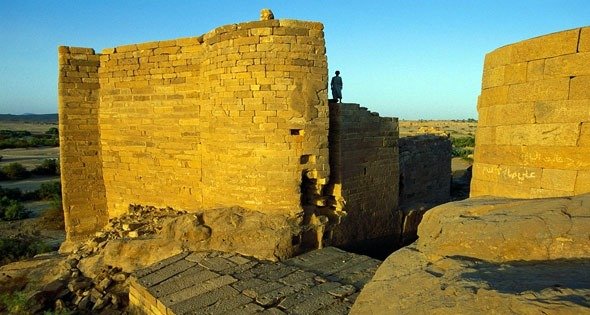
Ma'rib dam was a miracle from Allah to the people of Yemen. It was the backbone of their civilization and they took a good care of it. When they disbelieved and disobeyed Allah, they became lazy and ignored the dam. The sign of its fall was a little mouse digging a tunnel in the dam.
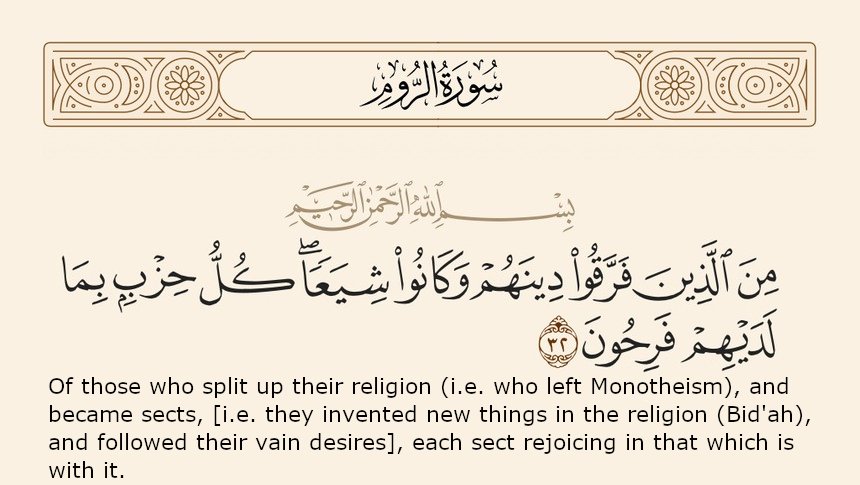
When I asked a search engine how many different Christian denominations there are, the answer was startling: at least 45,000.
In this article, we will survey some of these denominations, focusing on the major branches and their prominent sub‑branches. These “types of Christianity” represent distinct traditions and communities, reflecting the continuous changes, divisions, and additions that have developed within the faith over time.

In this hadith, the Prophet (peace be upon him) teaches us the true meaning of responsibility.
In Islam, every person has a specific duty that they are accountable for and must uphold. Leaders have their own responsibilities and will be questioned by God about how they fulfilled them. Likewise, a man is responsible for his household—his wife and children—their food, clothing, education, upbringing, and religious guidance. Every member of society carries their own share of responsibility as well, according to their role and position.
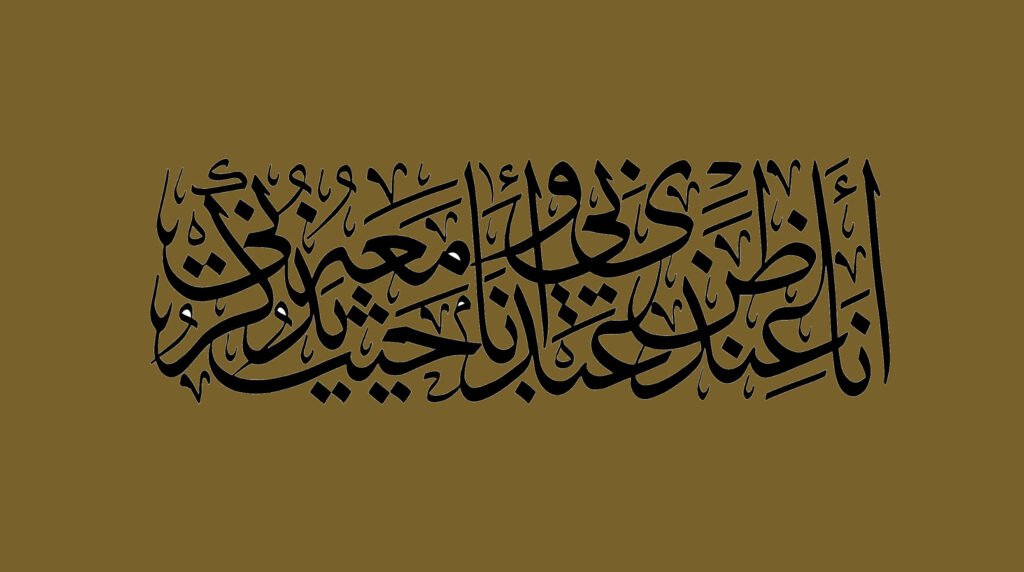
I am present when my servant thinks of me, and I am with him when he remembers me.
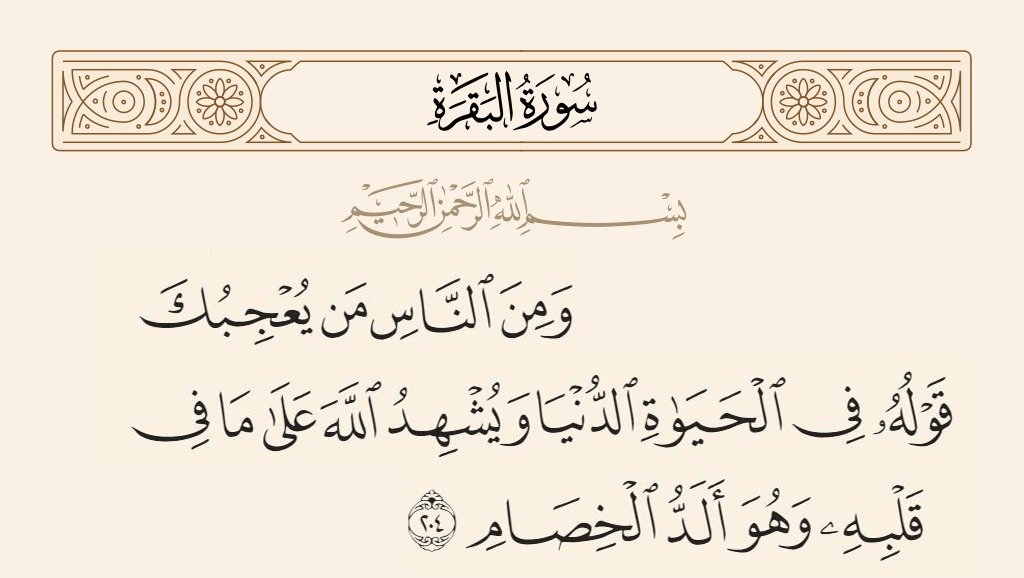
And among the people is he whose speech about the life of this world impresses you, and he even calls upon Allah as a witness to what is in his heart, yet he is the most severe of opponents. But when he turns away, he strives throughout the land to spread corruption therein and to destroy crops and offspring; and Allah does not love corruption. And when it is said to him, ‘Fear Allah,’ pride in sin takes hold of him. Then Hell is sufficient for him, and how wretched a resting place it is. (Qur'an 2: 204-206)

This is the story of the first martyr (and martyress) in Islam. An old lady, a black lady, yet she was promised along with her family, a high place in Jan'nah.
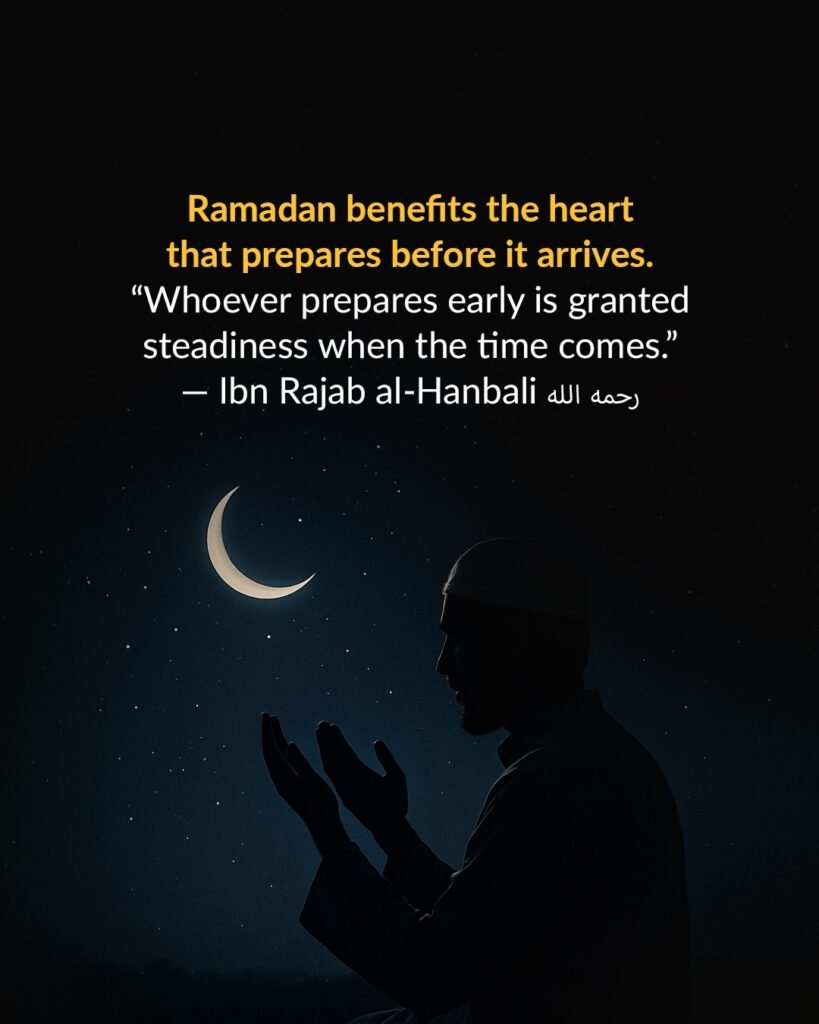
Preparing for Ramadan involves strengthening your spiritual, physical, and mental readiness by gradually increasing daily Quran recitation, practicing sunnah fasts in Sha’ban, and establishing consistent prayer routines. To maximize the month, set specific goals, prepare healthy meal plans, and detox from distractions to focus on gratitude, repentance, and sincere intention.

We often worry about how we will die. Will it be peaceful? Will it be sudden? Will we have time to repent? But the truth that liberates us from this anxiety is profound: A good ending (Husn al-Khatimah) is not about the manner of your death — it's about the quality of your life.
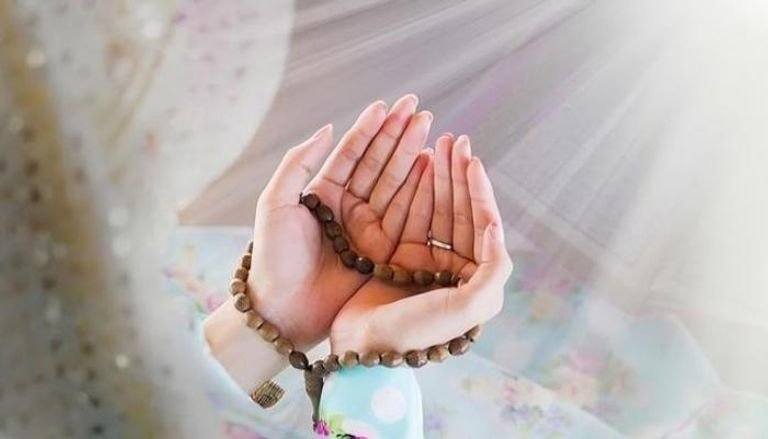
The Night of Mid-Sha’ban, known in Arabic as Laylat al-Nisf min Sha’ban, is one of the greatest nights of the year. In the Islamic understanding, the night precedes the day so it falls on the night before the fifteenth day of Sha’ban. ‘Ata’ bin Yasar, who narrated hadith from the Companions, said that after Laylat al-Qadr, there is no night better than the Night of Mid-Sha’ban. Its greatness is due to the divine gifts that are bestowed during it.
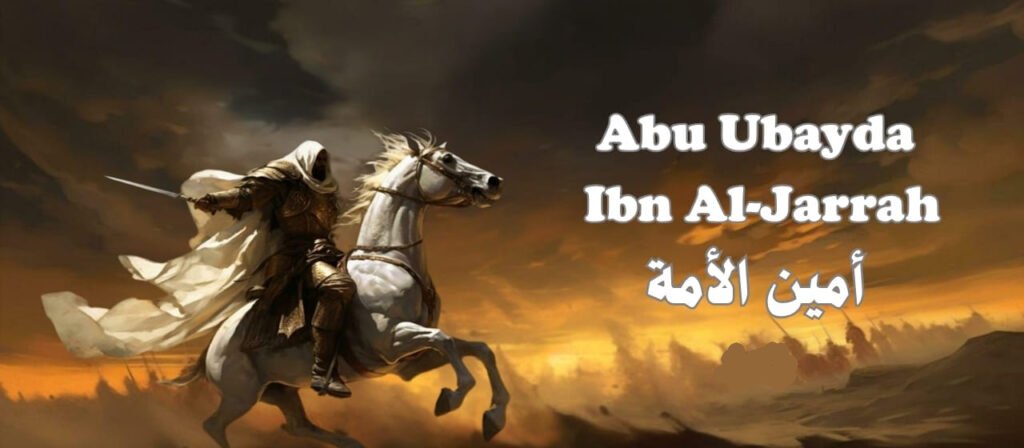
A Muslim commander and one of the Companions of the Prophet. He is mostly known for being one of the ten to whom Paradise was promised. He was the commander of a large section of the Rashidun Army during the time of the second Rashidun Caliph Umar. He was on the list of Umar's appointed successors to the Caliphate, but died during the Plague of Amwas in 639 before Umar.
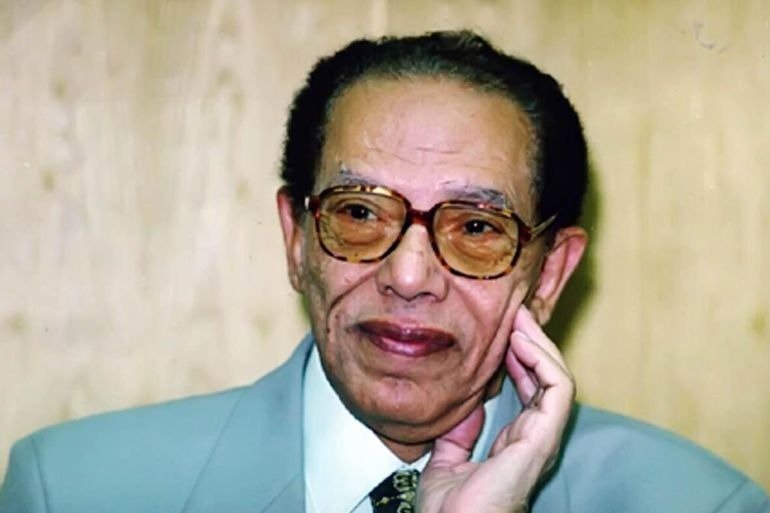
My reflection on a piece from Dr. Mustafa Mahmoud's book (Travelers in God's World). The piece is important to read and ponder for some time.
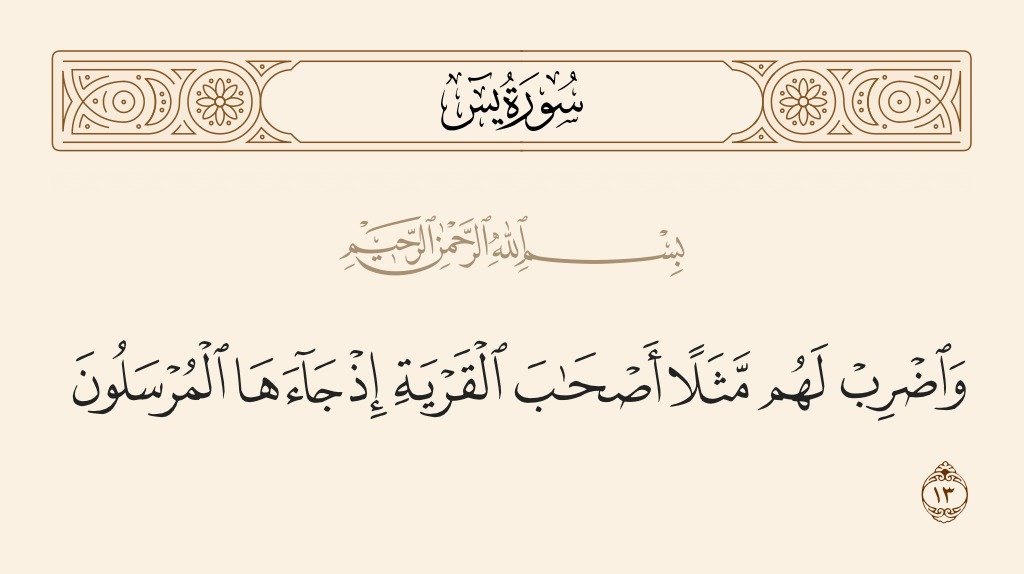
In this article, we talk about the people of the village whom Allah (SWT) sent them two Prophets and then supported them with a third. What happened to them? How was their reaction? What did God, the Almighty, do, and then what was their ultimate punishment.