
Transparency has been missing for years. Many members were kept in the dark, and questionable actions were committed that need answers. And as I heard a "brother" once scream inside the prayer hall: "We have rights".
Posts tagged as “reflection”

He was seen giving to the poor, distributing his wealth to those in need. A friend approached him with concern: "Aren't you afraid that hard times might come and you'll need this money?" The answer came with such certainty that it stopped everything: "How can I fear, when the spenders are like the martyrs, ' No fear shall be upon them, nor shall they grieve'?"

Amr ibn Al-Jam'ouh, the man who insisted to tread Jana with his lame leg.

It could be this day, ot it could be that day. You will never know which day could be the that day.
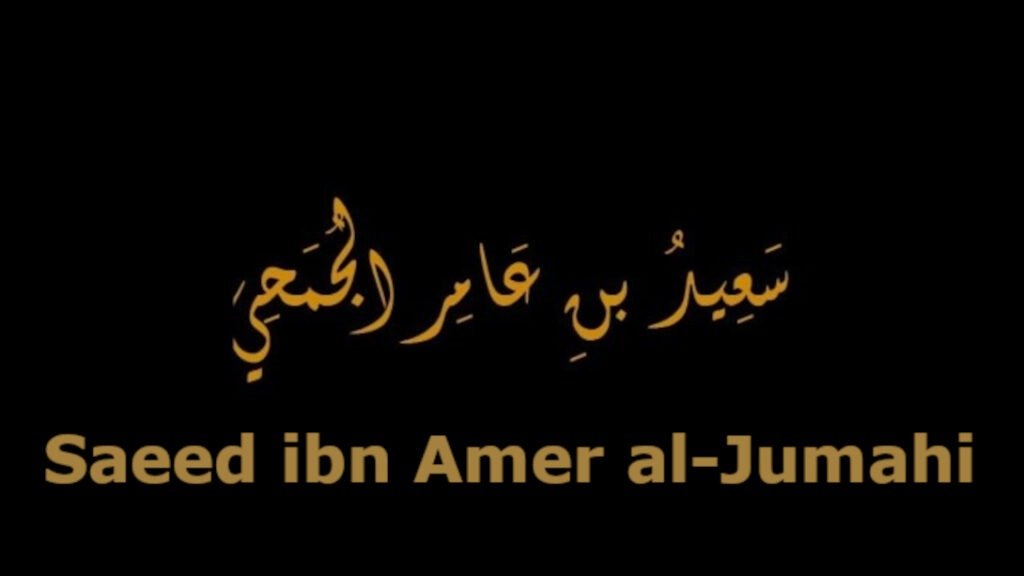
Saeed ibn Amer al-Jumahi, The Poor Homs' Amir.
Saeed ibn Amir, a man who bought Jannah with duniya.

Qass ibn Sa'idah al-Iyadi: The Greatest Orator of the Arabs, Who Believed in the Prophet ﷺ Before the Mission.
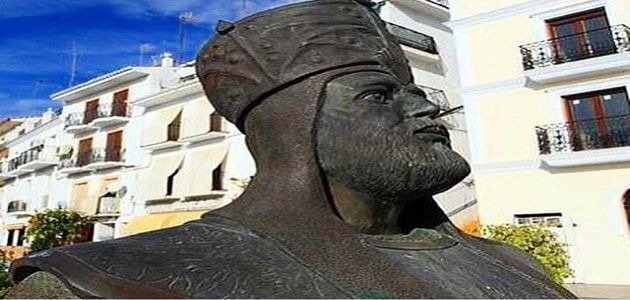
One of the most remarkable figures of medieval Islamic civilization.

When the Prophet, pbuh, was only 24, he joined a trade caravan to work for Khadija, may Allah be pleased with her. Khadija sent her servant, Maysarah, to watch the Prophet closely and report everything back to her.

What is Waqf (Endowment)?
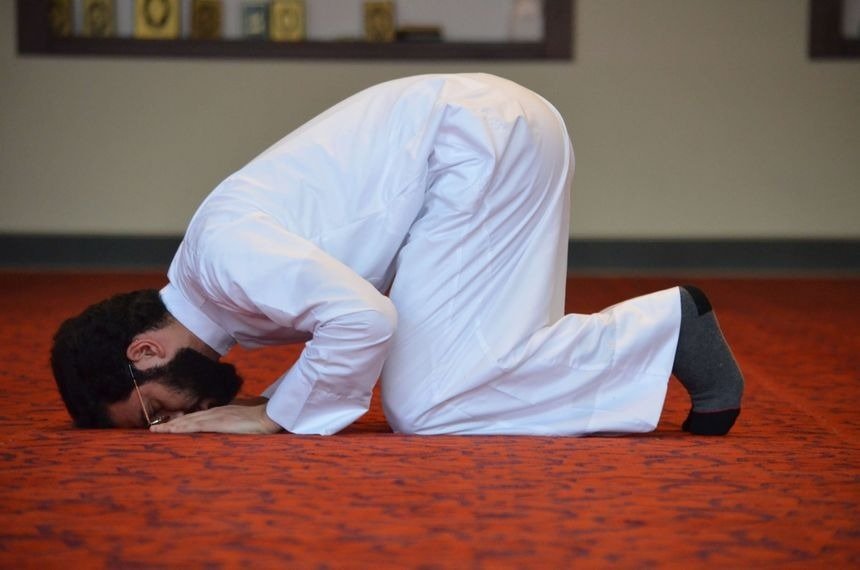
Salah (Prayers) in Islam has significant importance. It is one worship that one can never have an excuse not to perform as long as one is alive and aware.
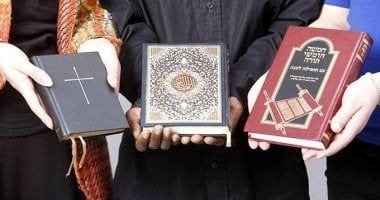
Allah did reveal earlier holy books. The Torah was given to Prophet Musa, the Psalms (Zabur) to Prophet Daivd (Dawud), and the Gospel (Injil) to Prophet Jesus (Isa), peace be upon them all. These books were true revelations from Allah. But those books were meant only for specific people and specific times.
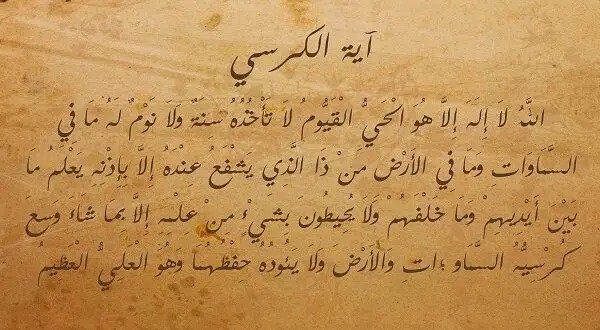
Verse 255 of Surah Al-Baqarah, or the Kursi, (Qur'an 2:255), is the greatest in the Qur'an, as described by the Prophet Muhammad, peace and blessings of Allah be upon him.
In this article, we discuss why.
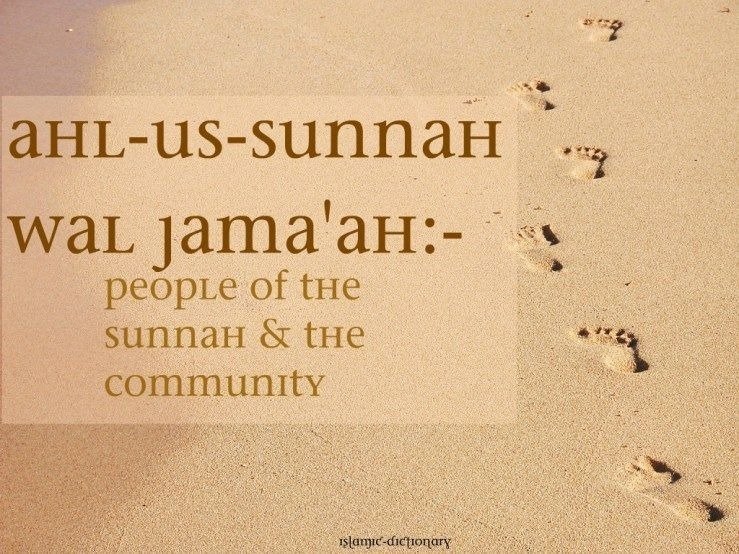
In this debate, the precise definition of the school known as Ahl al-Sunnah wal-Jama‘ah (“The People of the Sunnah and the Community”) is clarified. The discussion occurred during the Abbasid era, amid the turmoil surrounding the controversy over the “createdness of the Qur’an.”
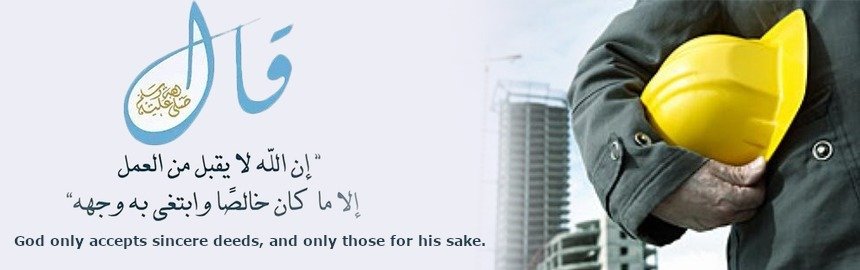
Sincerity is the essential condition without which God does not accept a person’s deeds. Too often, a person may deceive himself into thinking his actions are automatically good enough, and that God “should” or “will” accept them.
In the story from our rich spiritual heritage that follows, we will discover a deeper and truer understanding of how one ought to view his deeds and how they may be accounted for.

Ramadan, the month of Qur'an, multiple rewards, and prayer visits us for only a few days. We should do our best to make use of these days and this opportunity.