
The Tale of Al-Muhannā’ bint Al-Haytham
Beauty, Poetry, and Destiny in the Desert
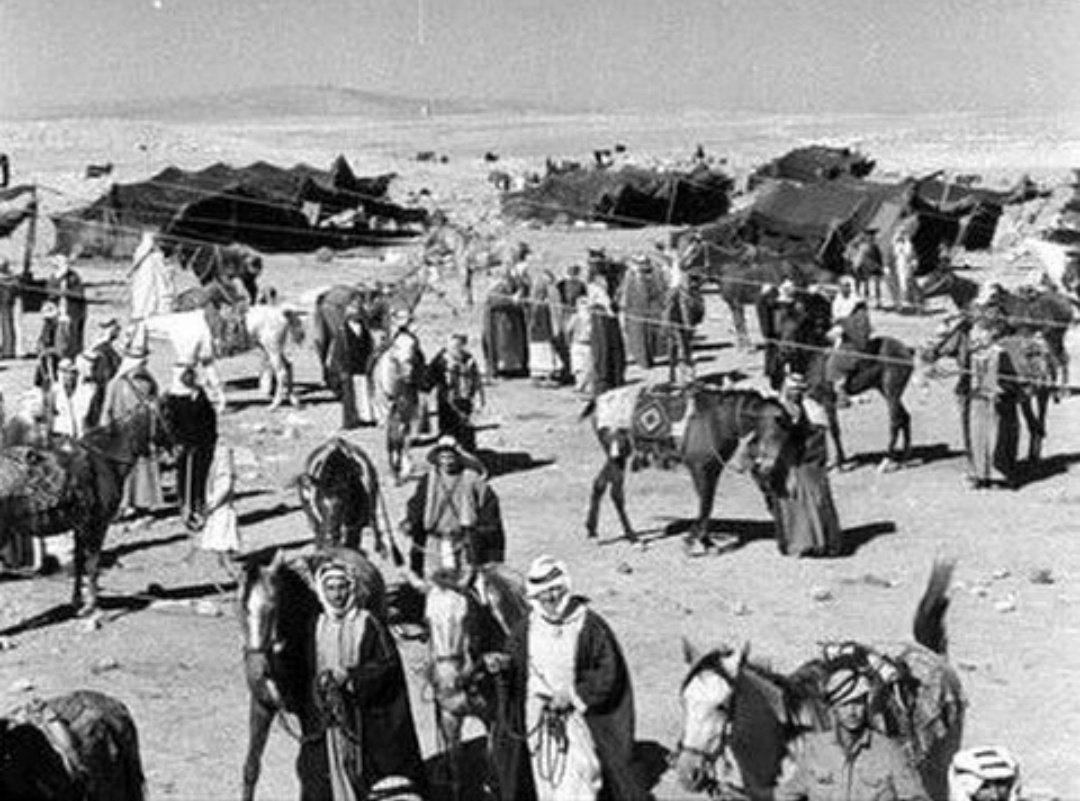
Muhammad ibn Abd al-Hamid al-Jashmi recounted his experience during the Hajj in the year 243 AH (857 CE). On his return journey, he encountered a group of beggars in the desert, among whom was a young woman whose face was as radiant as the full moon or the rising sun. Overwhelmed by her beauty, he averted his gaze and sought refuge with Allah from the temptation she posed. Yet, she continued to move among the pilgrims, returning to her resting place, captivating all who saw her.
He approached her and said, “Do you not feel ashamed to reveal such a face in a place like this, in the presence of so many people?”
Struck by her beauty, eloquence, and poetic grace, he asked her, “What is your name?”
She replied, “I am Al-Muhannā’ bint Al-Haytham. My father was a neighbor of the Banu Fazara tribe. He fell ill, spent all his wealth, and passed away, leaving me in poverty, so I had to beg.”
Later, when they reached Al-Rahba, Muhammad ibn Abd al-Hamid visited Malik ibn Tawq and recounted the story of the young woman and her poetry. Malik was so captivated by her verses that he wrote them down and, after some time, sent for Muhammad, requesting his presence.
When Muhammad arrived, Malik presented him with sealed bags and bundles of fine clothing, saying, “This is your reward for leading me to Al-Muhannā’ bint Al-Haytham. Allah has blessed me with her, and she has sent you this from her own wealth, and I have added to it from mine.”
Muhammad asked, “What happened with her?”
Malik explained that after Muhammad’s departure, he had sent trustworthy messengers to the desert to find her. They succeeded, brought her to him, and he married her. She exceeded all his expectations, and when he told her the story of Muhammad’s admiration, she sent these gifts to express her gratitude and fulfill her duty.
Muhammad later learned that Al-Muhannā’ became the mother of several of Malik’s children, a testament to the blessings that followed their union.
Source:
Al-Faraj Ba’d al-Shiddah (Relief After Hardship)
Key Themes
This tale explores the themes of beauty, poetry, destiny, and the unexpected blessings that arise from hardship.





Be First to Comment