
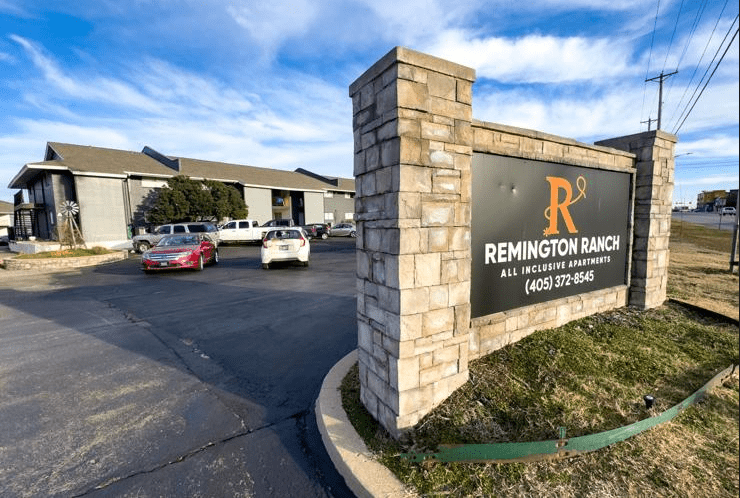
City Declares Apartment Complex Public Nuisance After Residents Go Months Without Hot Water
Municipal officials authorize legal action against property management company operating 300-unit complex with decades-old infrastructure
A city council has voted unanimously to declare a 300-unit apartment complex a public nuisance and authorized legal action against the property management company after residents reported going without hot water for months, with some units lacking basic heating during winter storms.
The multi-family complex, built in 1969, houses 300 one- and two-bedroom units across 12 buildings. Central boilers that provide hot water to the units have been failing repeatedly, with the 55-year-old infrastructure requiring constant repairs. Municipal officials began receiving complaints about the hot water system in November 2025, prompting code enforcement visits and ultimately leading to formal legal proceedings. City counsel described the situation as “an unprecedented stance for a municipality in the state to take,” emphasizing concerns for residents who have been living without hot water, heat, and at times, water entirely.
At a recent city council meeting, residents shared troubling accounts of their living conditions. One resident described helping a deaf neighbor with a heart condition by boiling water and carrying it to his apartment for bathing after he went three weeks without a hot water tank despite moving in mid-December. Another resident reported that her heater broke during a January snowstorm, forcing her family to relocate for a week while waiting for portable heaters, with no rent reimbursement offered. Code enforcement officials characterized the repair progress as “two steps forward, one step back,” attributing the ongoing problems to the aging infrastructure that has simply worn out after five decades of use.
The property management company’s legal counsel told the council they were “as frustrated by this situation as the city is,” though council members expressed skepticism. Management representatives stated they had spent $250,000 on hot water line repairs, including boilers and leak fixes, before beginning water heater installations. The complex, which has been owned by the current management company since April 2024, is currently at 71 percent occupancy. While management offered some rent rebates to residents, those credits were contingent on waiting until hot water issues were fully resolved and units passed inspection—a timeline that remains uncertain.
Council members questioned where rent money was going if it wasn’t being used to compensate residents for lack of hot water or to pay the substantial utility bill backlog. With contractors installing only eight units per week and 283 units still needing water heaters, council members calculated it would take 35 weeks to complete the project—contradicting management’s claims that repairs were a top priority. The property management company requested a 30-day continuance to make progress on repairs, arguing that moving to district court would create difficulties that would hinder rather than assist the urgent repair work.
City officials decided to proceed with legal action, citing the large number of affected residences, the substantial costs involved, and the need for judicial oversight to protect both the municipality and its residents. The city has established a dedicated website with resources for affected residents, while management has prioritized four buildings as “critical priority” for completion by the end of March. The situation highlights the challenges municipalities face when aging rental housing infrastructure fails and the tension between protecting tenants’ rights and compelling property owners to make necessary repairs.











Be First to Comment