
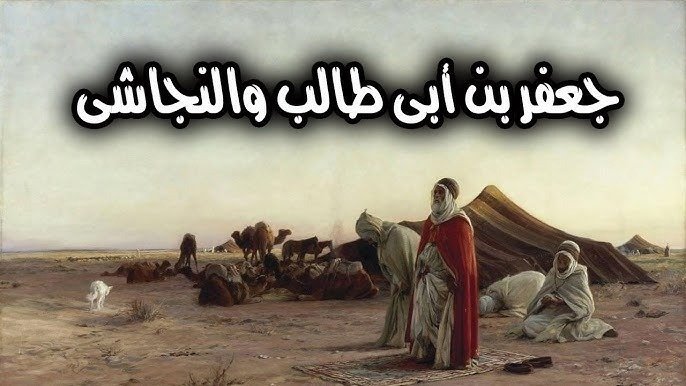
The Negus and the News of Badr: A Story of Humility and Faith
How the King of Abyssinia received the news of Muslim victory with profound humility and gratitude
One day, the Negus (King of Abyssinia) sent a messenger to summon Ja’far ibn Abi Talib and the Muslims who were with him in his kingdom. They responded to his summons and entered his presence, only to find him in a state they had never seen before.
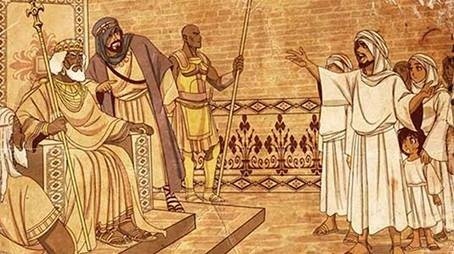
The king was sitting directly on the ground without any mat or cushion beneath him, wearing old, worn clothes that showed signs of long use. This appearance was in stark contrast to his usual royal attire and suggested a state of asceticism and simplicity that surprised the Muslim delegates.
Ja’far ibn Abi Talib (may Allah be pleased with him) later recounted what happened:
“When we saw him in this unfamiliar state, we felt a sense of pity and were moved by the extreme humility we witnessed. Our faces showed signs of amazement, though we didn’t say anything.”
The Negus noticed the surprise on their faces and immediately addressed them to ease their concerns. He spoke reassuringly: “I bring you glad tidings that will fill your hearts with joy and bring tranquility to your souls.”
Then he began to explain the news: “A man from your people came to me—one whom I had made my informant to follow your news and report to me what happens to you. He told me that Allah Almighty has granted a great victory to His Prophet (peace be upon him), destroyed his enemies who had come out to fight him, and that a group of the major polytheists were captured, while others were killed.”
He mentioned their names one by one. Then the Negus added to his description of the place where the battle took place: “The two parties met in a valley called Badr, which is known for its many Araak trees. I feel as if I can see it with my own eyes, for I used to graze camels for a man from the tribe of Bani Dhamrah in that place. I know it very well and am familiar with its nature.”
When Ja’far ibn Abi Talib heard this great news and the detailed description of the location, he wanted to ask about the state in which he found the Negus. He said to him, surprised: “What made you sit on the ground without a mat and wear these simple old clothes, when you are a king known for his might and honor?”
The Negus explained: “We find in what Allah revealed to Jesus (peace be upon him) that it is the right of Allah upon His servants, and part of their complete gratitude to Him, that they should show humility to Him when His new blessings come upon them. They should not meet Allah’s favor with arrogance or luxury, but with submission and humility. When this great news reached me—the victory of Allah for His Prophet (peace be upon him), which is a magnificent blessing deserving of the greatest gratitude—I saw that I should show to Allah humility befitting the greatness of this blessing. So I sat on the ground and wore these humble clothes as an expression of my submission and gratitude to Allah for what He has bestowed of victory for His religion and His Messenger.”
Al-Bidaya wa’l-Nihaya by Imam Ibn Kathir, vol. 3, pp. 307-308.
In this remarkable scene, we see how true faith produces humility and submission to God when His blessings manifest. The Negus, despite his kingship and honor, chose to express his gratitude to God through profound humility, reflecting his true understanding of God’s greatness and majesty. This story reminds us that true gratitude is not just in words, but in actions that demonstrate the heart’s submission to Allah.





Be First to Comment