
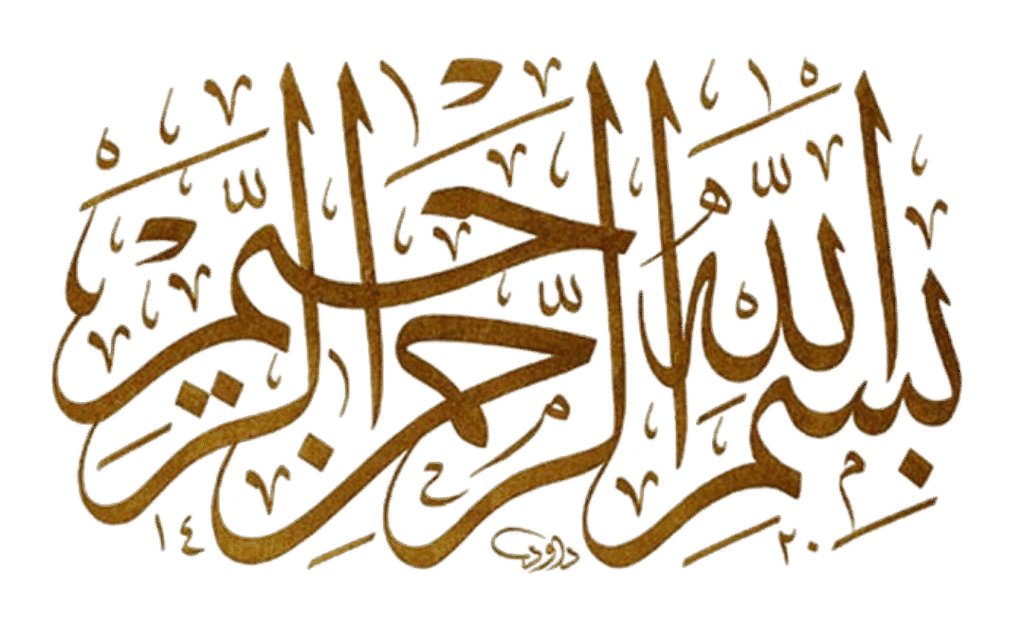
ٱلۡحَمۡدُ لِلَّهِ ٱلَّذِي خَلَقَ ٱلسَّمَٰوَٰتِ وَٱلۡأَرۡضَ وَجَعَلَ ٱلظُّلُمَٰتِ وَٱلنُّورَۖ ثُمَّ ٱلَّذِينَ كَفَرُواْ بِرَبِّهِمۡ يَعۡدِلُونَ (1)
[All] Praise is [due] to Allah1, who created the heavens and the earth and made the darkness and the light. Then those who disbelieve equate [others] with their Lord.
In Part One, we discussed this verse and explained that only Allah, Subhanahu wa Ta’ala, Exalted and Praised is He, knows Himself better than anyone else. Therefore, He is uniquely qualified to be praised as much as He deserves. Today, we focus on the choice of words used by the Almighty. Allah, Subhanahu wa Ta’ala, says, “خَلَقَ السَّمَاوَاتِ وَالأَرْضَ وَجَعَلَ الظُّلُمَاتِ وَالنُّورَ” — “Who created the heavens and the earth and made the darkness and light.” Why did Allah, the Almighty, use the verb “create” when referring to the heavens and the earth, but “made” when referring to darkness and light? Let us first understand the difference between “create” and “make.”
The Fundamental Difference Between “Creating” (الخلق) and “Making” (الجعل) in the Islamic Context
The basic difference is that الخلق (creating) means bringing something into existence from nothing. It is a broader and older concept. On the other hand, الجعل (making) means transforming something into something else or placing it in a certain state after it has already been created; this is a more specific action.
Creation (الخلق)
- Bringing into existence from nothing: This refers to the act of bringing something into being that did not exist before.
- Exclusive to God Almighty: Generally, الخلق refers specifically to Allah’s original act of bringing things into existence.
- Example: The Quran says, “وَهُوَ الَّذِي خَلَقَ اللَّيْلَ وَالنَّهَارَ” meaning “And He it is Who created the night and the day”—both night and day were created out of nothing at their origin.
Making (الجعل)
- Transformation and becoming: This means turning a thing into another or setting it into a specific condition.
- A specialized action: This occurs on something that is already created.
- Example: The Quran states, “وَجَعَلْنَا مِنَ الْمَاء كُلَّ شَيْءٍ حَيٍّ” translating to “And We made from water every living thing.” Here, water is already created, and the act of making is its transformation into the cause of life.
When Both Terms Appear Together
In the Quran, when both الخلق (creating) and الجعل (making) appear in the same context, الخلق precedes الجعل because creation is the primary act, and making is what follows afterward.
Example: “وَاللَّهُ خَلَقَكُمْ ثُمَّ يَتَوَفَّاكُمْ” then “وَاللَّهُ جَعَلَ لَكُمْ مِنْ أَنْفُسِكُمْ أَزْوَاجًا” — God first created you, then established marital relationships.
From all the above, we see how eloquent the Qur’an is, and how it uses words meticulously to convey the meaning that the Almighty intended.
A book that beautiful, that eloquent, and the much preserved should make people stop and ponder.
- Allah is the name of God in Semitic languages (Arabic, Aramaic, Hebrew, …). It is pronounced with an emphatic “L” as you pronounce L in the words (Luck) or (Illustrate) ↩︎



Be First to Comment