
A powerful story from the Prophet on the danger of backbiting. The moral of the story is simple: hold your tongue, for there surely the Prophet has warned against it and warned of consequences.
Posts published in “Reflection”
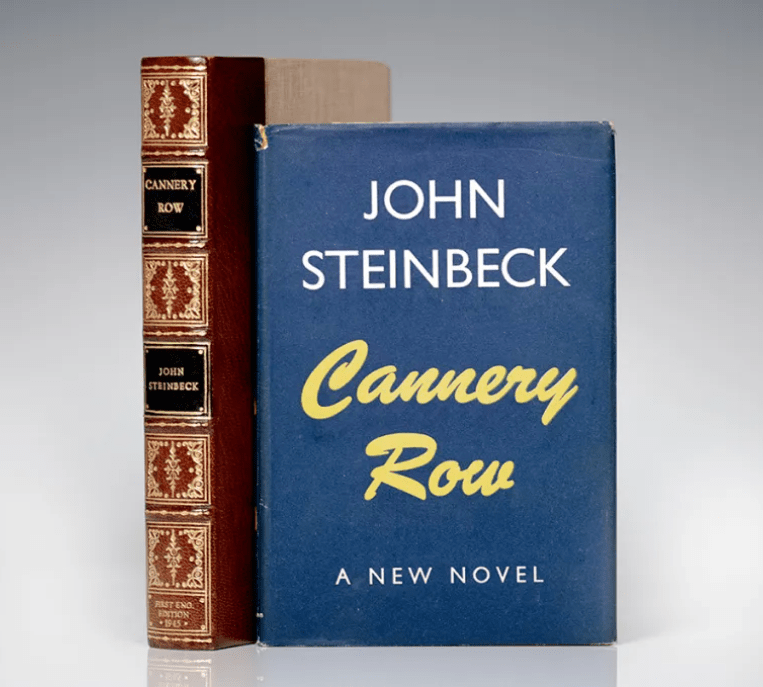
Published in 1945 during the final stages of World War II, Cannery Row emerged as John Steinbeck's deliberate departure from the stark social realism that defined his earlier masterpieces.

Al-Baraʾ ibn Malik was a brave Companion of the Prophet Muhammad (peace be upon him), renowned for his exceptional courage in battle and his deep devotion to Islam.

How a simple ship journey turned the life of a man, led him to true, sincere faith that surpassed that of those who led him to the faith!
Laylat al-Qadr, the Night of Decree, holds immense significance in Islam. Good deeds and charity performed on this night earn the reward equivalent to that of 83 years of worship (over 30,000 nights), as Allah—Glorified and Exalted—is He—has informed us in the Qur'an. This article explores how to prepare for and make the most of this blessed night.
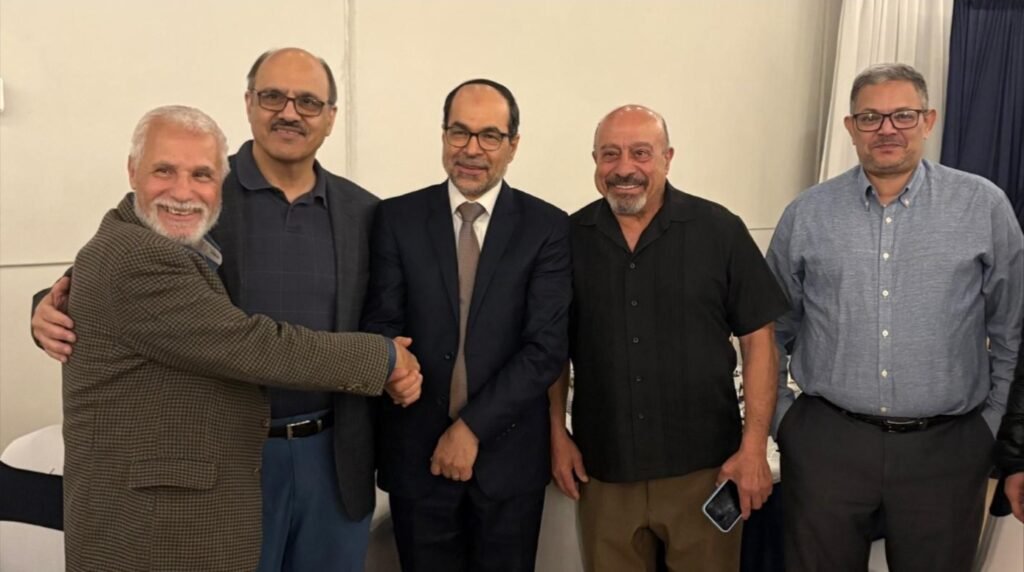
Eight members of the Islamic Center represented the Islamic Society of Stillwater at CAIR's annual Iftar. The evening was as pleasant as always, and we enjoyed meeting prominent leaders from Oklahoma's Muslim community.

The Story of the Believers' Vision of Allah: The Greatest Reward and Honor in Paradise.
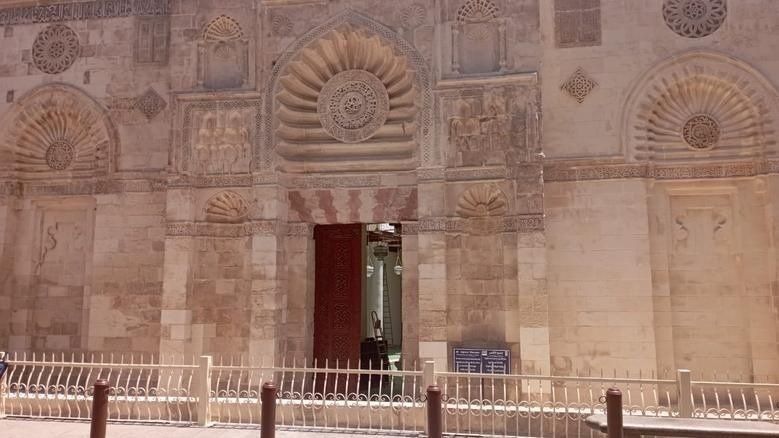
Al-Aqmar Mosque, also known as the Moonlight Mosque (Arabic: الجامع الأقمر, al-jāmiʿ al-aqmar), is a historically significant mosque located on al-Mu'izz Street in Islamic Cairo, Egypt. Built in 1125 AD (519 AH) during the Fatimid Caliphate, it was commissioned by Vizier al-Ma'mun al-Bata'ihi under Caliph al-Amir bi-Ahkam Allah.
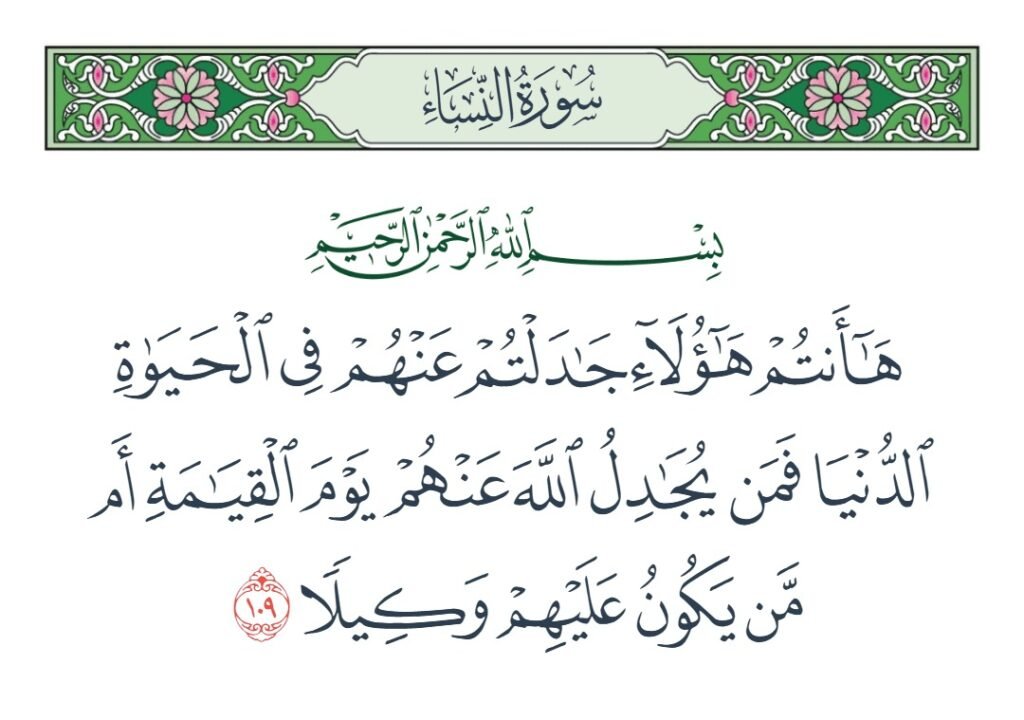
Qur'an 4:109: A Warning Against Defending the Wrong
Understanding the Consequences of Advocating for Injustice in This Life and the Hereafter
When Fatima bint Asad passed away, the Prophet Muhammad ﷺ took off his shirt and used it as her shroud. He descended into her grave, digging and widening it with his own hands. He emerged with tears in his eyes and prayed for her, asking Allah to resurrect her clothed, as she was shrouded in the shirt of the Prophet ﷺ.
Islam taught people freedom, devotion, love, and many other lessons. Read this story that took place between Umar ibn Al-Khattab and Umm Kulthum bint Abi Bakr (and notice their ages!)

There is a timeless adage that states: "There is only one method to avoid criticism: do not say anything, do not do anything, and be nothing." This statement encapsulates a profound paradox about human existence and the nature of criticism. It suggests that the only way to completely avoid criticism is to live a life of complete inaction and silence. But is this truly a life worth living?

Khalid ibn al-Waleed, or, as he was called by the Prophet Muhammad, pbuh, 'The Drawn Sword of God,' never lost a battle, neither before nor after Islam.
In this article, we show the final moments of his life while on his deathbed. What he did, what he said, and the message he left to Omar ibn Al-Khattab. We also explain why he was not destined to die on a battlefield.
يا أمير المؤمنين: عدلت فعدلوا، ولو رتعت لرتعوا
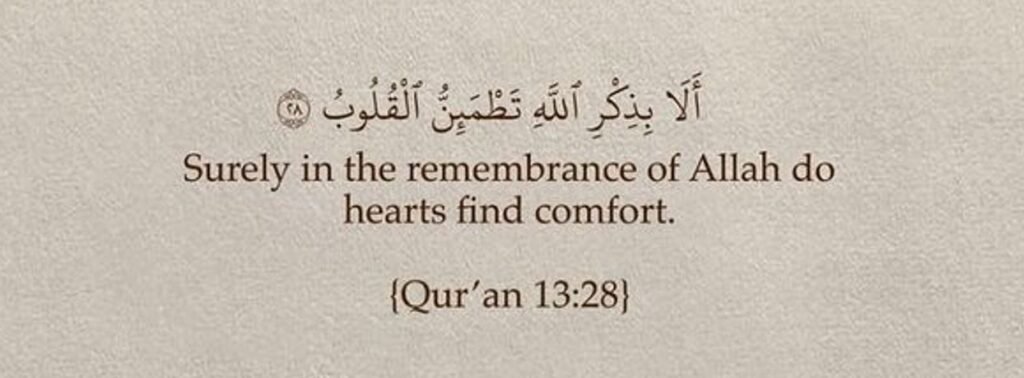
Among the teachings of the Prophet, pbuh, are many instructions for making Zikr, remembrance, of Allah, Subhanahu Wa Ta'aala. In this article, we explain some of the benefits of committing to Zikr.