
Beware of the Hidden Desire
A Story of Sincerity and the Test of Intentions
Among the wonders narrated about Ahmad ibn Miskeen, one of the scholars of Basra in the third century of Hijra, is a story that reveals the most dangerous enemy of good deeds: the hidden desires of the soul that corrupt sincerity and destroy the reward of our actions.
The Trial of Poverty
Ahmad ibn Miskeen said: “I was tested with poverty. We had nothing. I had a wife and her child, and we had been folded upon hunger—a hunger that caves in the belly. So I resolved to sell my house and move away from it. I went out to arrange for its sale.”
On my way, I met Abu Nasr, and I informed him of my intention to sell the house. He gave me two thin pieces of bread with sweets between them, and said: “Feed this to your family.”
The child looked at me with a look I will never forget. At that moment, it seemed to me as if Paradise had descended to earth, offering itself to whoever would satisfy this child and his mother.
So I gave what was in my hand to the woman and said to her: “Take it and feed your son! By Allah, I possess neither silver nor gold, and in my house there are those who are more in need of this food.” Her eyes welled up with tears, and the boy’s face brightened.
The Sudden Transformation
I walked on, troubled, and sat by a wall, thinking about selling the house. While I was thus, Abu Nasr passed by, as if flying with joy, and he said: “O Abu Muhammad! What keeps you sitting here, when in your house there is wealth and prosperity?!”
I said: “Glory be to Allah! From where, O Abu Nasr?!”
He said: “A man came from Khorasan asking people about your father or any of his family, and he has with him loads and burdens of wealth and money!”
The Response to Blessing
Ahmad ibn Miskeen said: “I praised Allah and thanked Him. I searched for the needy woman and her son, provided for them, and established ongoing provision for them. Then I traded with the money, and I devoted its profits to acts of kindness, good works, and charity—and the wealth kept increasing and never decreased.”
The Vision of Judgment Day
Then I slept one night, and I saw myself on the Day of Resurrection. The creation was surging, some among others. I saw people whose bodies had been expanded, carrying their burdens on their backs—materialized and embodied. It seemed as if the sinner carried on his back an entire city filled with shameful deeds.
Then the scales were set up, and I was brought to weigh my deeds. My evil deeds were placed in one pan, and the scrolls of my good deeds were cast into the other. The scrolls became light, and the evil deeds weighed heavier. Then they began placing good deed after good deed from what I used to do.
It was said: “This remains.” I looked to see what had remained, and behold—it was the two pieces of bread with which I had been kind to the woman and her son!
I was certain I was doomed. I used to give charity of a hundred dinars at once, yet that did not avail me. I collapsed completely. Then the two pieces of bread were placed in the scale, and the pan of good deeds descended slightly and tipped somewhat.
The Weight of Sincerity
Then the tears of the poor woman—who wept from the effect of the kindness upon her soul and because I had preferred her and her son over my own family—were placed in the scale. The pan tipped, and it kept tipping until I heard a voice saying: “He has been saved.”
This story reveals a terrifying truth: our grand acts of charity, performed with hundreds of dinars, can be voided by hidden intentions—the subtle pride, the desire for praise, the quiet vanity. Meanwhile, a simple act done with pure sincerity, in a moment of genuine sacrifice when one has nothing, can outweigh mountains of tainted good deeds.
The two thin pieces of bread were saved because they were given at the lowest point of need, with no expectation, no audience, and no ulterior motive. They were given purely for Allah’s sake, preferring a stranger’s hunger over one’s own family’s need.
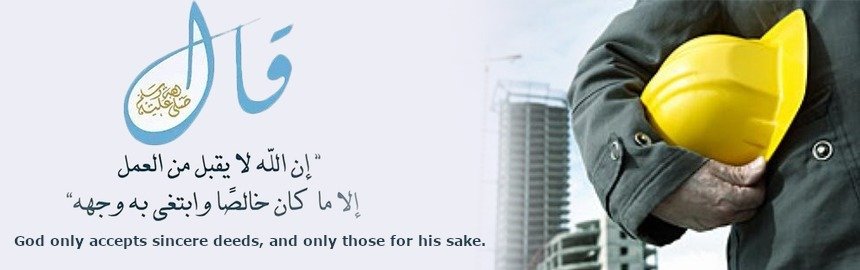
Beware of the hidden desire. It is not the magnitude of the deed that matters, but the purity of the heart from which it springs. May Allah purify our intentions and accept our deeds.
من عجائب ما روي عن أحمد بن مسكين؛ أحد علماء البصرة في القرن الثالث الهجري، قصة تكشف عن أخطر عدو للأعمال الصالحة: الشهوات الخفية للنفس التي تفسد الإخلاص وتحبط ثواب أعمالنا.
الابتلاء بالفقر
قال أحمد بن مسكين: «امتُحِنتُ بالفقر، فلم يكن عندنا شيء، ولي امرأة وطفلها، وقد طوينا على جوع يخسِف بالجَوفِ خسفا، فَجَمعْتُ نيّتي على بيع الدار والتحوّل عنها، فخرجت أتسبب لبيعها.»
«فلقيني أبو نصر؛ فأخبرته بنيتي لبيع الدار؛ فدفع إلي رُقاقتين من الخبز بينهما حلوى، وقال: أطعمها أهلك.»
«فدفعت ما في يدي للمرأة، وقلت لها: خذي وأطعمي ابنك! والله ما أملك بيضاء ولا صفراء، وإن في داري لمَن هو أحوج إلى هذا الطعام. فدمعت عيناها، وأشرق وجه الصبي.»
التحول المفاجئ
«ومشيت وأنا مهموم، وجلست إلى حائط أفكر في بيع الدار، وإذ أنا كذلك؛ إذ مرّ أبو نصر، وكأنه يطير فرحًا، فقال: يا أبا محمد، ما يُجلسك ها هنا، وفي دارك الخير والغنى؟!»
«قلت: سبحان الله! ومن أين يا أبا نصر؟!»
«قال: جاء رجل مِن خراسان يسأل الناس عن أبيك أو أحدٍ مِن أهله، ومعه أثقالٌ وأحمالٌ مِنَ الخير والأموال!»
الاستجابة للنعمة
قال أحمد بن مسكين: «حمدتُ الله وشكرته، وبحثت عن المرأة المحتاجة وابنها، فكفيتهما وأجرَيتُ عليهما رِزقا، ثم اتّجرت في المال، وجعلت أربحه بالمعروف والصنيعة والإحسان وهو مقبل يزداد ولا ينقص.»
رؤيا يوم القيامة
«فنمتُ ليلةً؛ فرأيتُني في يوم القيامة، والخلق يموج بعضهم في بعض، ورأيت الناس وقد وُسِّعَتْ أبدانُهم، فهم يحملون أوزارهم على ظهورهم مخلوقة مجسّمة، حتى لكأن الفاسق على ظهره مدينة كلها مخزيات.»
«ثم وُضعت الموازين، وجيء بي لوزن أعمالي، فجُعِلت سيئاتي في كِفة، وألقَِيت سِجلاتُ حسناتي في الأخرى، فطاشت السجلات، ورجحت السيئات. ثم جعلوا يلقون الحسنة بعد الحسنة مما كنت أصنعه!»
«فقيل: بقي هذا. وأنا أنظر لأرى ما هذا الذي بقي، فإذا الرقاقتان اللتان أحسنت بهما على المرأة وابنها!»
«فأيقنت أني هالك، فلقد كنت أُحسِنُ بمئةِ دينارٍ ضربةً واحدة، فما أغنَتْ عني، فانخذلت انخذالاً شديدًا. فوُضِعَت الرقاقتان في الميزان، فإذا بكفة الحسنات تنزل قليلاً ورجحت بعضَ الرجحان.»
ثقل الإخلاص
«ثم وُضعت دموع المرأة المسكينة التي بكت من أثر المعروف في نفسها، ومن إيثاري إياها وابنها على أهلي، وإذا بالكفة ترجُح، ولا تزال ترجُح حتى سمعت صوتًا يقول: قد نجا.»
تكشف هذه القصة حقيقة مرعبة: أعمالنا الخيرية الكبرى، المنجزة بمئات الدنانير، يمكن أن تُبطَل بالنوايا الخفية – الكبرياء الخفي، والرغبة في المدح، والغرور الهادئ. بينما عمل بسيط يُنجَز بإخلاص خالص، في لحظة تضحية حقيقية حين لا يملك الإنسان شيئًا، يمكن أن يرجح على جبال من الحسنات الملوثة.
الرقاقتان نجتا لأنهما أُعطيتا في أدنى نقطة من الحاجة، دون توقع، ولا جمهور، ولا دافع خفي. أُعطيتا خالصة لوجه الله، مؤثرًا جوع الغريب على حاجة الأهل.
إياك والشهوة الخفية. ليس حجم العمل هو ما يهم، بل نقاء القلب الذي ينبع منه. اللهم طهّر نياتنا وتقبّل أعمالنا.







Be First to Comment