
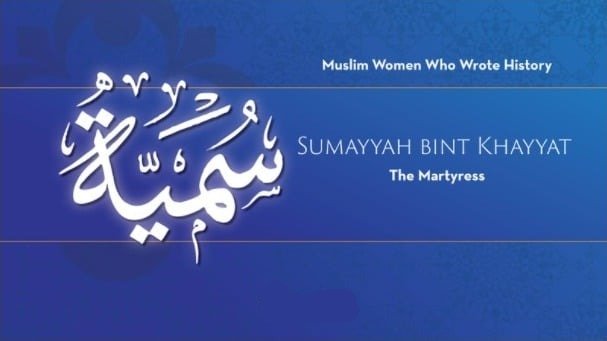
This is the story of the first martyr (and martyress) in Islam. An old lady, a black lady, yet she was promised along with her family, a high place in Jan'nah.
Posts tagged as “islam”
Preparing for Ramadan involves strengthening your spiritual, physical, and mental readiness by gradually increasing daily Quran recitation, practicing sunnah fasts in Sha’ban, and establishing consistent prayer routines. To maximize the month, set specific goals, prepare healthy meal plans, and detox from distractions to focus on gratitude, repentance, and sincere intention.

We often worry about how we will die. Will it be peaceful? Will it be sudden? Will we have time to repent? But the truth that liberates us from this anxiety is profound: A good ending (Husn al-Khatimah) is not about the manner of your death — it's about the quality of your life.
The Night of Mid-Sha’ban, known in Arabic as Laylat al-Nisf min Sha’ban, is one of the greatest nights of the year. In the Islamic understanding, the night precedes the day so it falls on the night before the fifteenth day of Sha’ban. ‘Ata’ bin Yasar, who narrated hadith from the Companions, said that after Laylat al-Qadr, there is no night better than the Night of Mid-Sha’ban. Its greatness is due to the divine gifts that are bestowed during it.
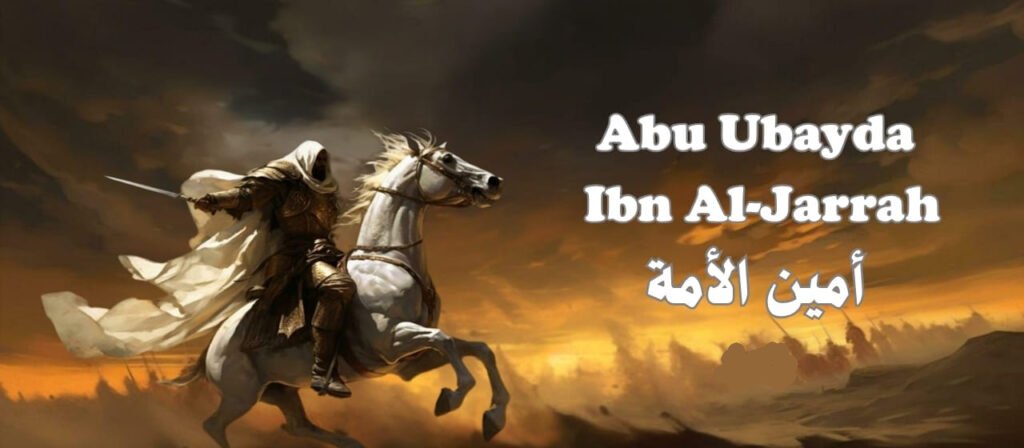
A Muslim commander and one of the Companions of the Prophet. He is mostly known for being one of the ten to whom Paradise was promised. He was the commander of a large section of the Rashidun Army during the time of the second Rashidun Caliph Umar. He was on the list of Umar's appointed successors to the Caliphate, but died during the Plague of Amwas in 639 before Umar.
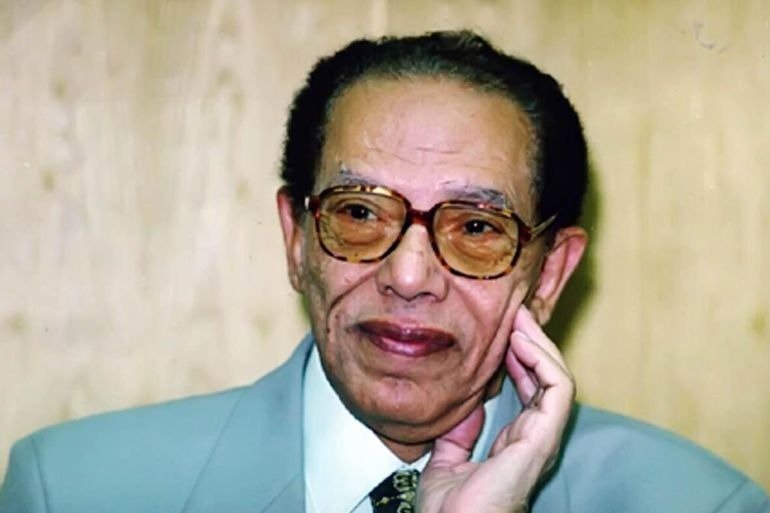
My reflection on a piece from Dr. Mustafa Mahmoud's book (Travelers in God's World). The piece is important to read and ponder for some time.
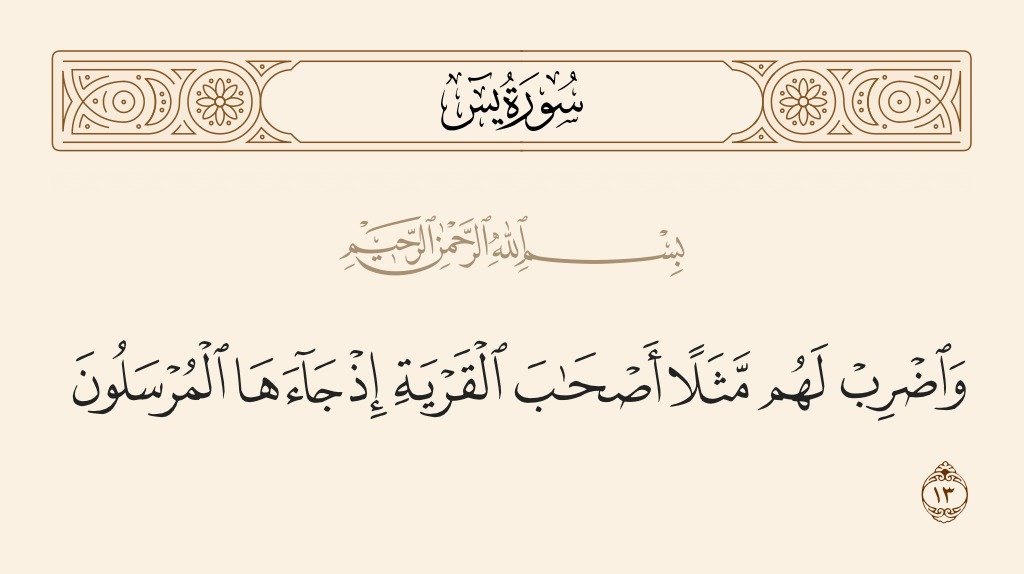
In this article, we talk about the people of the village whom Allah (SWT) sent them two Prophets and then supported them with a third. What happened to them? How was their reaction? What did God, the Almighty, do, and then what was their ultimate punishment.
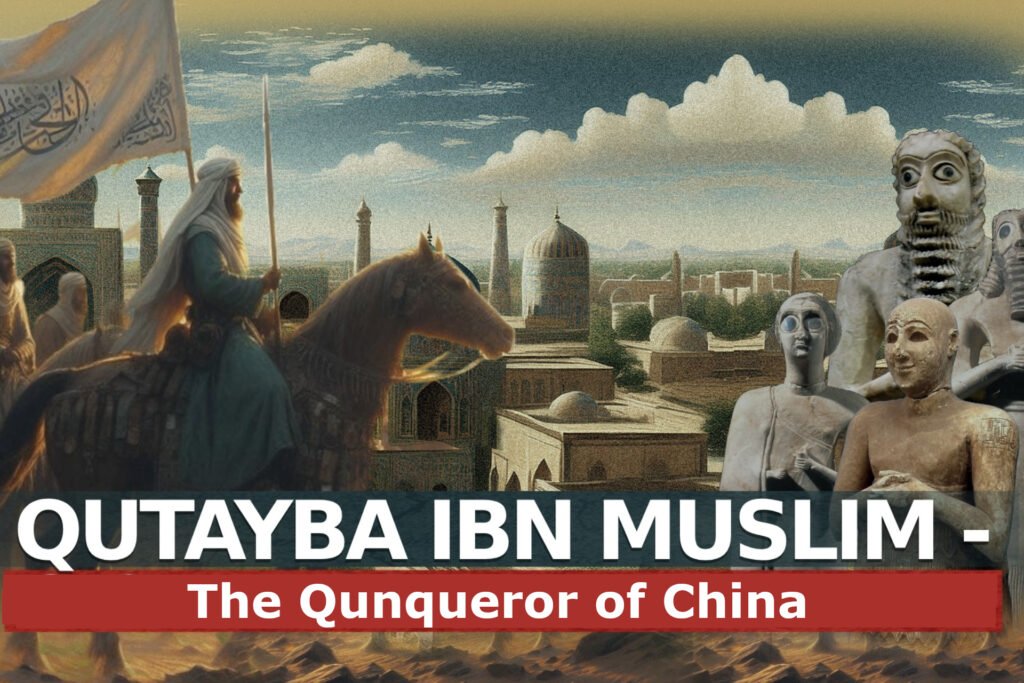
Qutayba was an Arab commander of the Umayyad Caliphate who became governor of Khurasan and distinguished himself in the conquest of Transoxiana during the reign of al-Walid I (705–715). A capable soldier and administrator, he consolidated Muslim rule in the area and expanded the Caliphate's border to include most of Transoxiana. From 705 to c. 710, he consolidated Muslim control over the native principalities of Tokharistan and conquered the principality of Bukhara, while in 710–712 he conquered Khwarizm and completed the conquest of Sogdiana with the capture of Samarkand. The latter opened the road to the Jaxartes valley, and during the last years of his life Qutayba led annual campaigns there, extending Muslim control up to the Fergana Valley and parts of Chinese Turkestan.
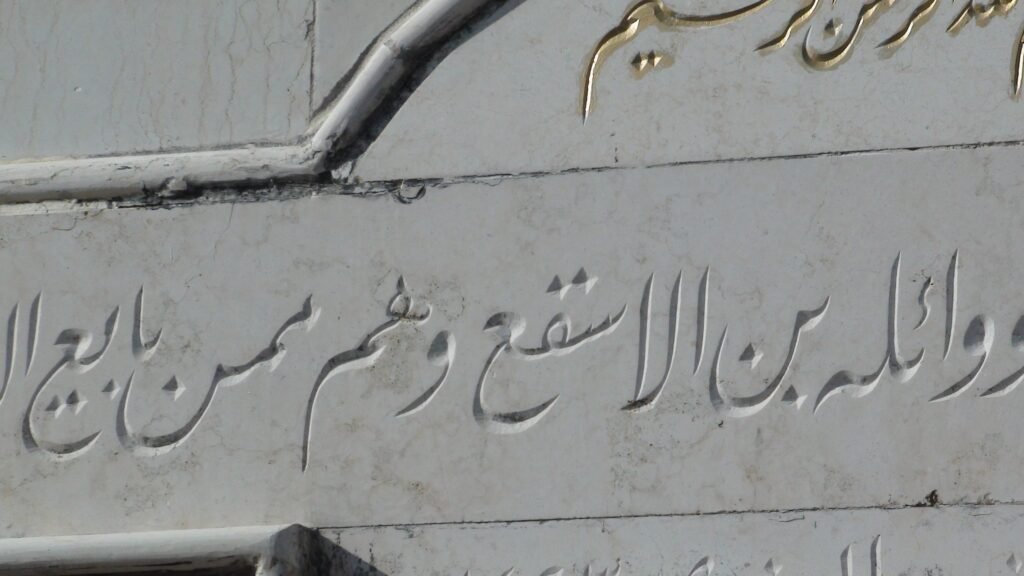
A Noble Companion of the Prophet Muhammad (peace be upon him). Devoted Servant, Warrior of Faith, and Keeper of Hadith.
Duʿā is vital because it expresses our dependence on Allah, strengthens our relationship with Him, and becomes a means for guidance, mercy, and the changing of our circumstances.
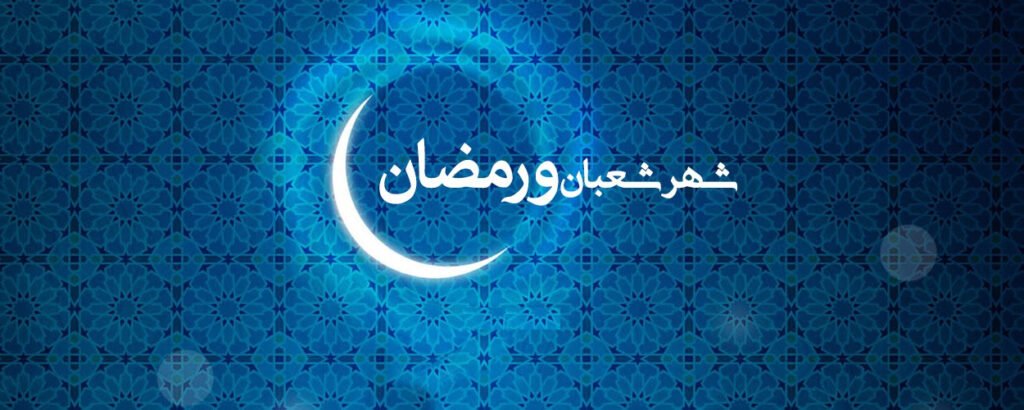
The two months of Shaban and Ramadab carry great significance in Islam. Good deeds in these two months have great value and shouldn't be ignored. In this Khutbah, our brother Othman talks about the two months and the teachings of the Prophet on how to act in them.
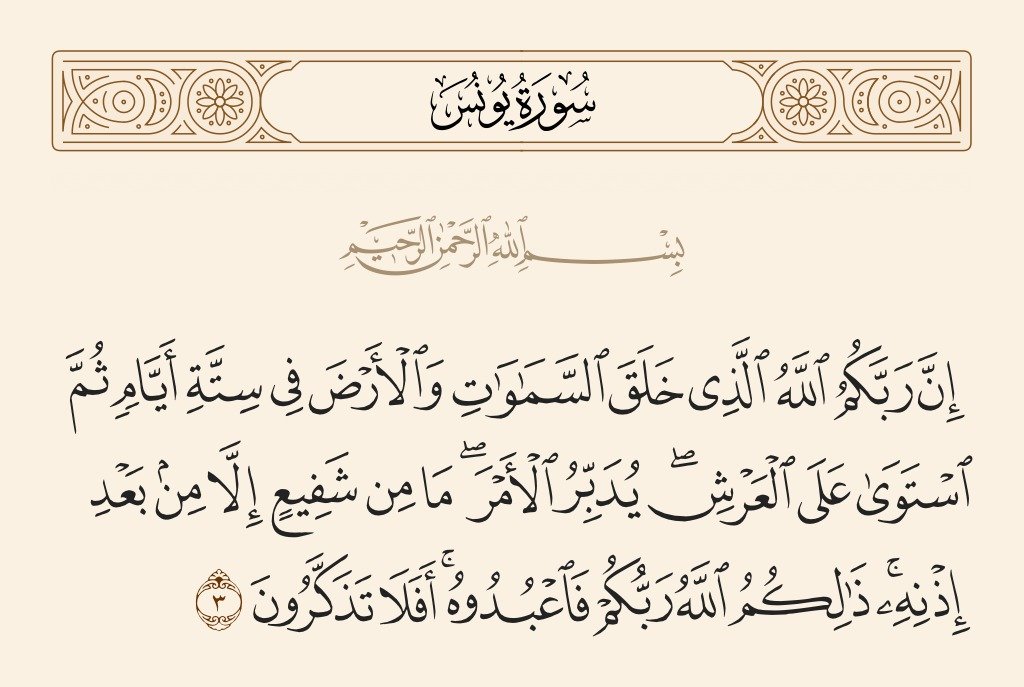
Verse 3 of Chapter 10 of the Quran starts with a declaration of faith, then the miracle of creating the Heavens and the Earth in 6 days.
We see here a mention of the day, the Heavens and the Earth, then we hear about the Throne, and the taking care of every single matter in the existence.

Abu Bakr Assiddiq (May Allah be pleased with him) was the first to believe after Khadija (MABOwH) and the first man to believe.
Abu Bakr's faith was described by the Prophet Muhammad as equivalent to the faith of the Muslim Ummah altogether.
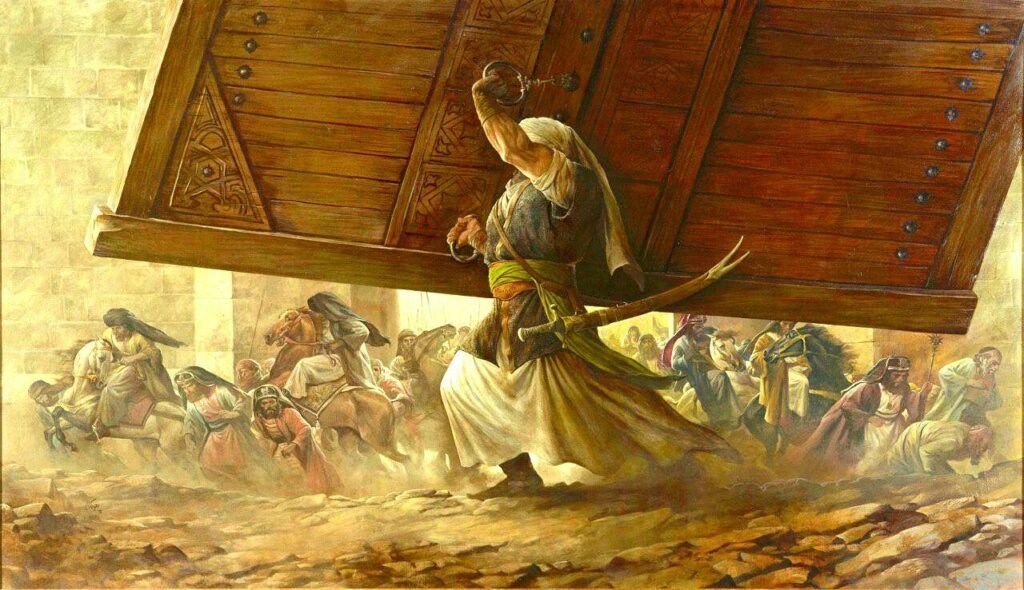
Ali ibn Abi Talib (Arabic: عَلِيُّ بْن أَبِي طَالِب, romanized: ʿAlī ibn Abī Ṭālib) (600 – 661 CE) was the fourth Rashidun caliph who ruled from 656 CE until his assassination in 661.
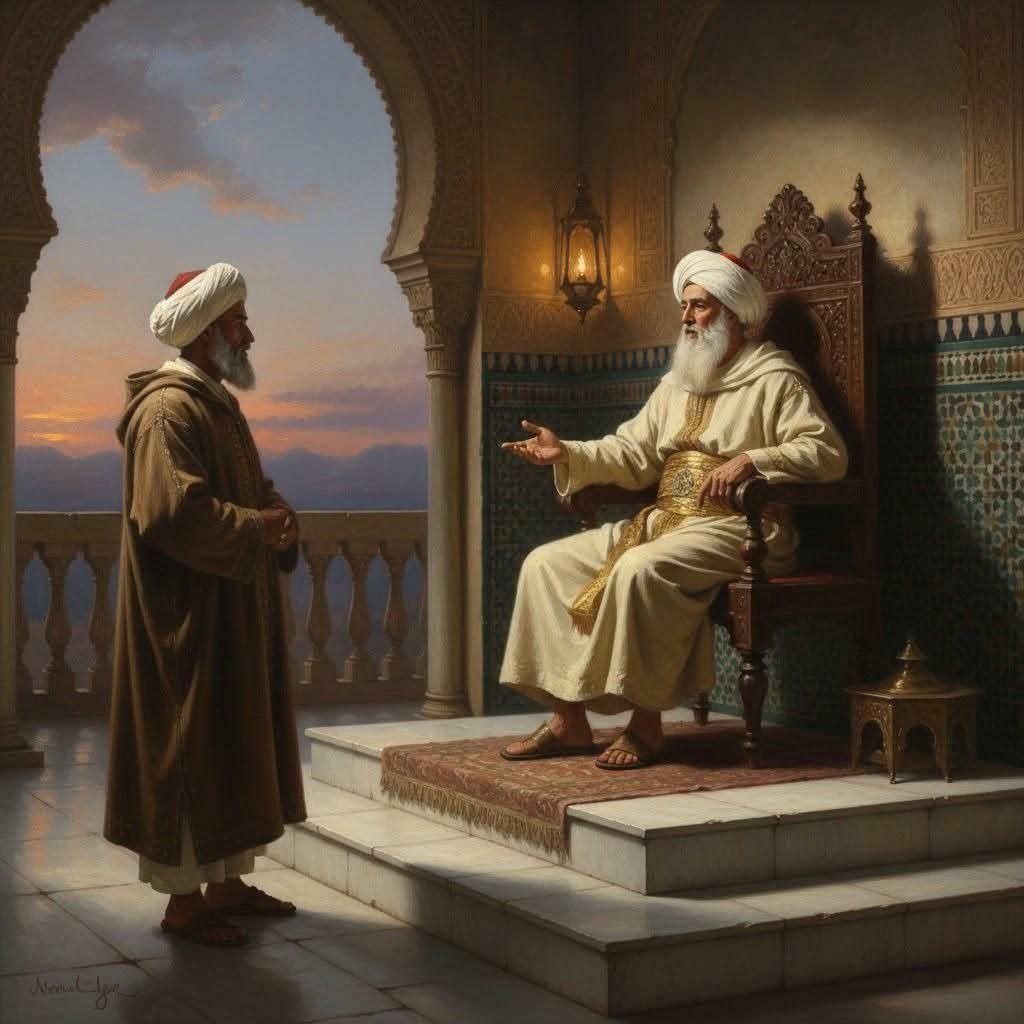
It is nothing but religion: whoever preserves it will lead, and whoever neglects it will fall.