
A Lesson in Humility and the Fleeting Nature of Worldly Wealth
Posts tagged as “reflection”
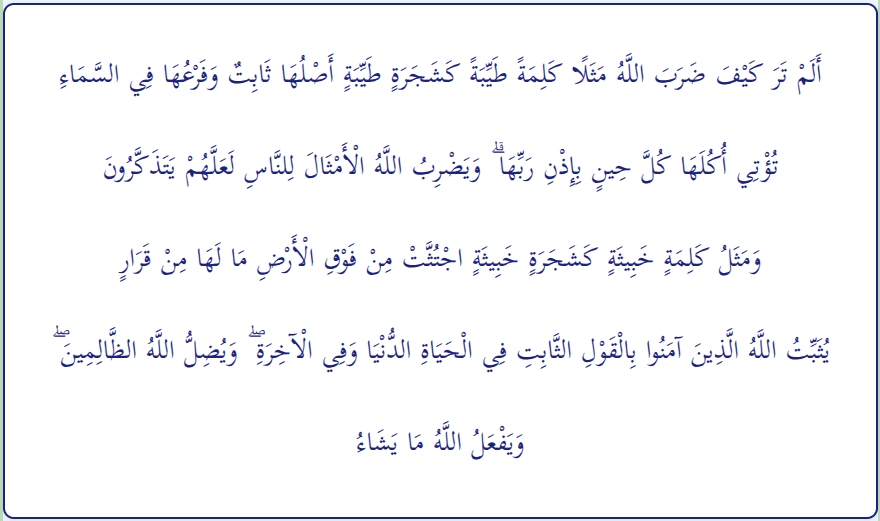
Surah Ibrahim verses 24-27 has an example that Allah, SWT, the Almighty, has given us to tell us how important is the word is...
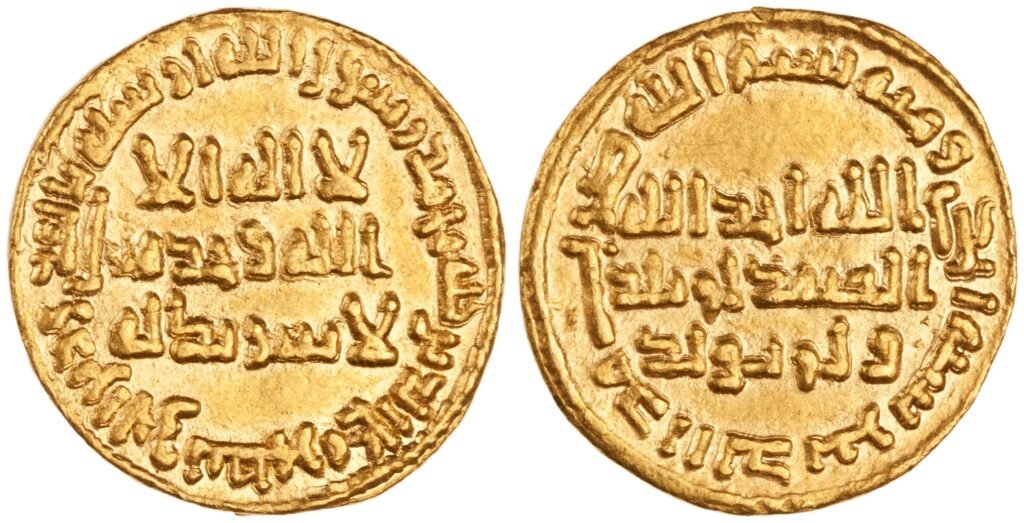
When Umar ibn Abd al-Aziz became the Caliph, a group of poets came to visit him. They waited at his door for days, but he neither granted them permission to enter nor paid them any attention. This displeased them, and they considered returning to their homelands.
The Quran pairs the word patience with another word that at first seems a little bit different and you have to really ponder it to understand the full meaning. One can say it's actually the perfect pairing of the word patience and that word is beauty. It talks about having beautiful patience.
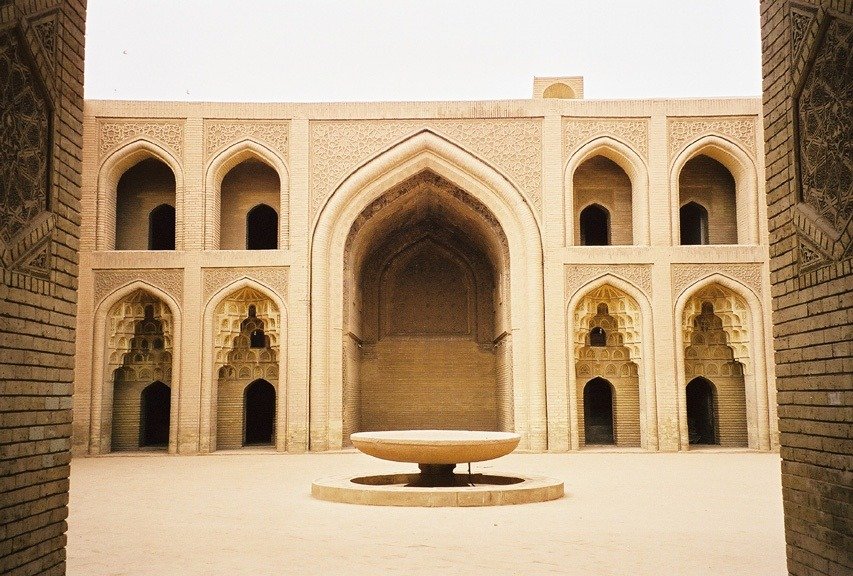
Abu Muslim Al-Khawlani had a beautiful tradition. Whenever he returned home from the mosque, he would say "Allahu Akbar" (God is the Greatest) at the gate of his house

Remembering a giant of Islamic scholarship on the anniversary of his passing

In our interconnected world, the movement of people across borders has become a defining feature of the 21st century. Whether for work, education, safety, or better opportunities, millions of people move between countries every year. Understanding the terminology of human movement is crucial for discussing this important phenomenon accurately.
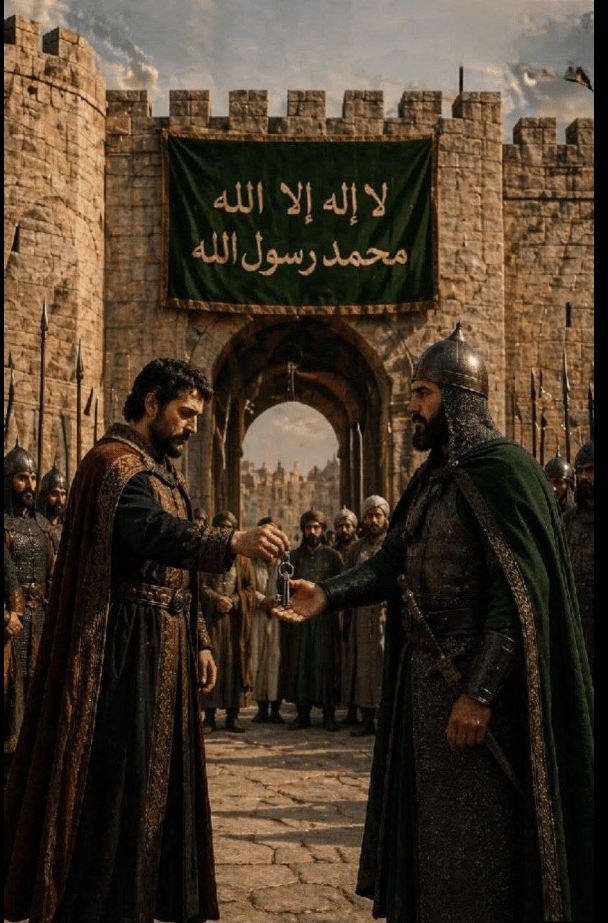

Contemplating the ultimate journey and finding solace in divine mercy. What is this journey? How will it be? How shall we tackle it?
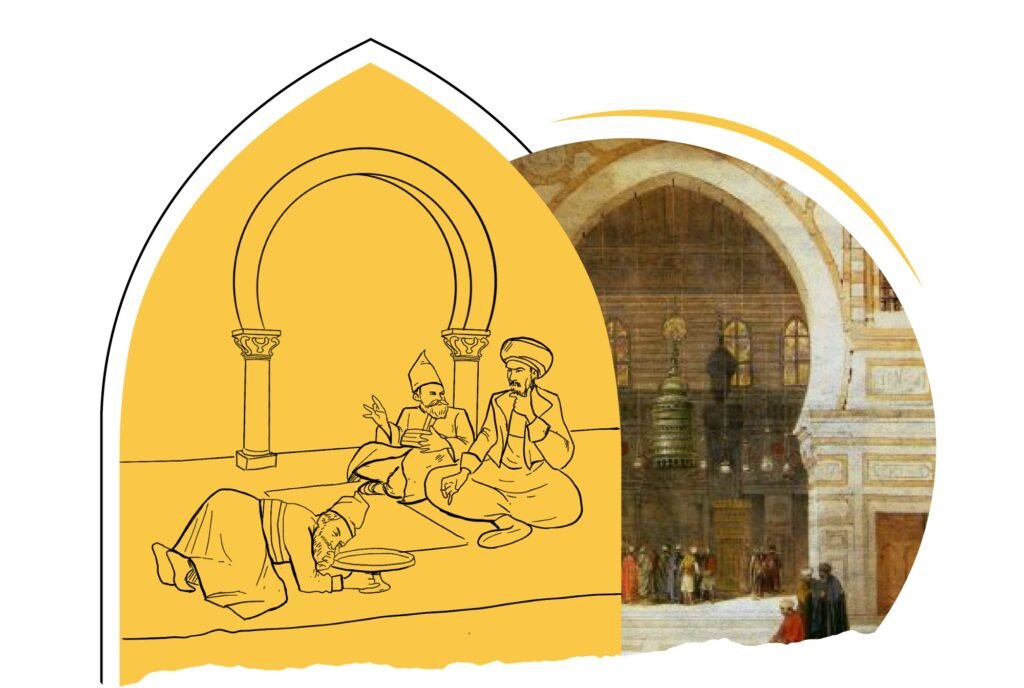
Under the Abbasid Caliphate, the Barmakids rose to a position of great authority within the empire. This period of prosperity ended abruptly during the rule of Harun al-Rashid, whose sudden shift in favor led the family into a period of severe hardship. In this first part, we explore their remarkable rise and fall.
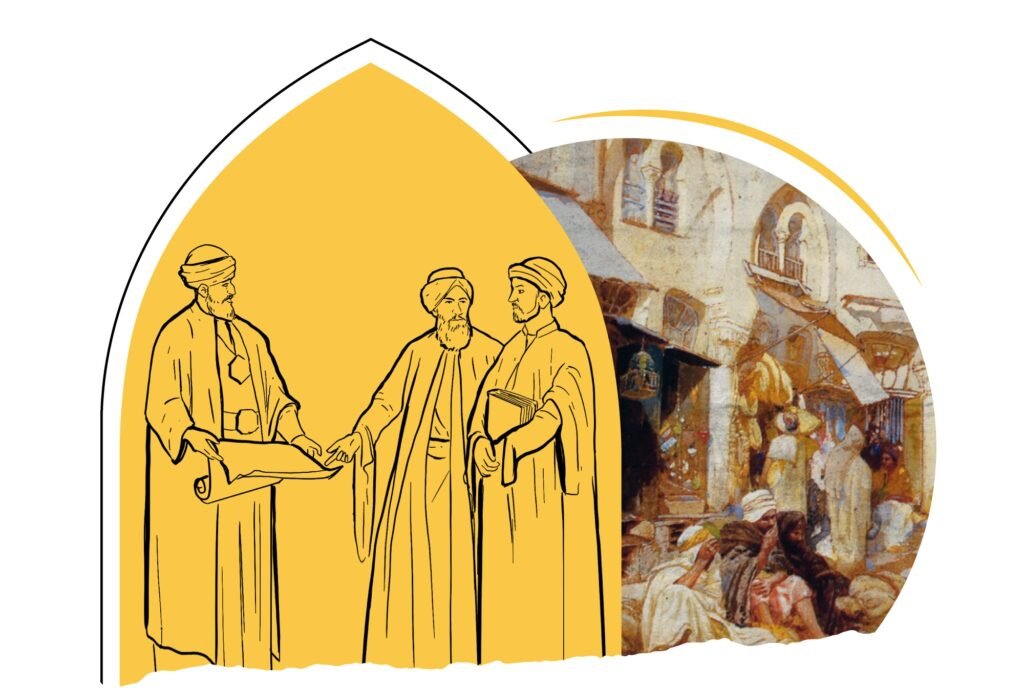
In this part, we show how the period of prosperity of the Barmakids ended abruptly during the rule of Harun al-Rashid, whose sudden shift in favor led the family into a period of severe hardship. In this first installment, we explore their remarkable rise and fall.
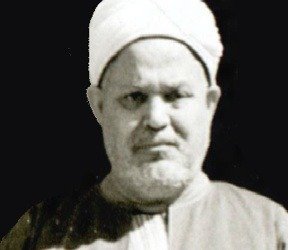
Professor Sheikh Ahmad al-Iskandari (1875-1938) was the dean of Arabic language and literature professors in his generation. He traveled to Cairo on foot to seek knowledge.