
Al-Bara’ ibn Malik
The Unlikely Hero Who Changed History
البراء بن مالك الأنصاري رضي الله عنه
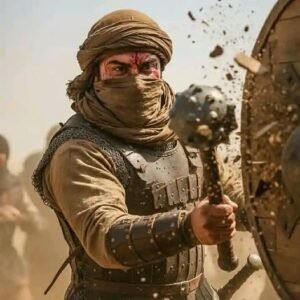
Al-Bara’ ibn Malik was a man of disheveled hair, dusty appearance, thin frame, and delicate bones. To the casual observer, he appeared unremarkable—perhaps even weak. Many who saw him for the first time would dismiss him, their eyes moving past his frail form without a second thought. Yet beneath this unassuming exterior lay extraordinary courage, unmatched valor, and a spirit of sacrifice that would change the course of Islamic history.
He was Al-Bara’ ibn Malik al-Ansari, may Allah be pleased with him, the brother of Anas ibn Malik, the beloved servant of the Messenger of Allah ﷺ. His story is one that reminds us never to judge by appearances, for the greatest heroes often come in the most unexpected forms.
The Warrior’s Record
Al-Bara’s courage was so extraordinary that he killed one hundred men in single combat—one hundred individual duels where he stood face to face with enemy champions and prevailed. This number does not even include those he killed in the chaos of battle, when armies clashed and swords met in the fury of war.
Such was his fearlessness and his tendency to charge headfirst into danger that Umar ibn al-Khattab, the mighty Caliph and Commander of the Faithful, wrote to his governors across the Muslim lands with a specific instruction: Do not appoint Al-Bara’ ibn Malik as a military commander. This was not due to any deficiency in Al-Bara’s character or capability, but rather because of his extreme boldness—Umar feared that Al-Bara’s reckless courage might lead the soldiers under his command into perilous situations.
The Crisis of Apostasy
Our story truly begins in the dark days that followed the death of the Prophet Muhammad ﷺ, when he departed to join the Highest Companion. Across the Arabian Peninsula, Arab tribes that had entered Islam in groups began to leave it in groups. The apostasy spread like wildfire until only the people of Mecca, Medina, and Taif remained steadfast in the faith, along with scattered groups whom Allah had strengthened upon belief.
Abu Bakr al-Siddiq, may Allah be pleased with him, stood against this great tribulation like an immovable mountain. He neither wavered nor softened. Instead, he immediately prepared eleven armies from the Muhajirin and Ansar, appointed a commander for each, and sent them throughout the Arabian Peninsula to call the apostates back to truth and reestablish the religion—by the sword if necessary.
The most dangerous of the apostates were the Banu Hanifah, followers of Musaylimah the Liar. He had gathered around forty thousand fighters from his tribe and their allies. Many followed him out of tribal loyalty rather than belief. Some even admitted: “We know that Musaylimah is a liar and Muhammad is truthful, but the liar of Rabi’ah is dearer to us than the truthful one of Mudar.” Tribalism had blinded them to truth.
Musaylimah initially defeated the first army sent against him, led by Ikrimah ibn Abi Jahl, forcing them to retreat. Abu Bakr then assembled another army under the command of Khalid ibn al-Walid, the Sword of Allah, gathering in it the finest companions from both the Muhajirin and Ansar. Among them, at the forefront, was Al-Bara’ ibn Malik and a number of the bravest Muslim warriors.
The Battle of Yamama
The two armies met on the plains of Yamama in Najd. The battle did not go well for the Muslims at first. Within a short time, the tide turned in favor of Musaylimah and his followers. The pressure on the Muslims intensified until they began to retreat. Musaylimah’s forces even stormed Khalid ibn al-Walid’s camp, tore down his tent, and nearly killed his wife before one of them protected her.
At that critical moment, the Muslims realized the gravity of their situation. Defeat here would mean the end of Islam in the Arabian Peninsula. Khalid quickly reorganized the army, separating the Muhajirin from the Ansar and gathering each tribe under its own banner, so that he could identify where strength and weakness lay in the ranks.
Then began a fierce battle unlike any the Muslims had witnessed before. Musaylimah’s followers stood firm despite heavy casualties, and the Muslims displayed acts of heroism beyond description.
Thabit ibn Qays, the standard-bearer of the Ansar, prepared for death. He shrouded himself and dug a hole in which he stood firm, fighting until he was martyred. Zayd ibn al-Khattab, Umar’s brother, urged the Muslims to fight and swore not to speak again until Musaylimah was defeated or he met Allah—then he fought until he was killed. Salim, the freed slave of Abu Hudhayfah and bearer of the Muhajirin’s banner, when his people feared weakness from him, replied: “If that happens, then I am a wretched bearer of the Quran”—and he fought until he was martyred.
The Moment of Ultimate Courage
Yet among all these magnificent displays of sacrifice, Al-Bara’ ibn Malik’s heroism would prove most decisive. When the fighting intensified, Khalid ibn al-Walid turned to him and said: “Advance, O youth of the Ansar!”
Al-Bara’ turned to his people and declared:
يا معشر الأنصار، لا يفكر أحد منكم في الرجوع إلى المدينة، فلا مدينة لكم بعد اليوم، وإنما هو الله ثم الجنة
“O people of the Ansar! Let none of you think of returning to Medina, for there is no Medina for you after today. It is only Allah, and then Paradise!”
Then he charged forward with rare courage, breaking through enemy lines, striking with his sword until Musaylimah’s forces were thrown into disarray. They fled to a vast garden with high walls, which would later be known as “The Garden of Death” for the multitude slain within it.
Into the Garden of Death
Musaylimah’s followers sealed the gates of the garden and fortified themselves inside, raining arrows down upon the Muslims from above the walls. The Muslim advance had stopped. Victory seemed impossible. The garden was impenetrable.
Then Al-Bara’ stepped forward with a proposal that would become legendary:
He sat upon a shield. The Muslims raised him on their spears. Then they hurled him over the wall into the garden—alone, surrounded by thousands of enemy fighters. He landed among them like a thunderbolt, fighting fiercely at the gate, killing many until he managed to open it, though he sustained more than eighty wounds from stabs and strikes.
The Muslims poured into the garden from all sides. They fought with ferocious intensity until they killed tens of thousands of Musaylimah’s followers. They reached Musaylimah himself and killed him. The greatest threat to Islam after the Prophet’s death had been eliminated.
Al-Bara’ was carried to his tent for treatment after the battle. Khalid ibn al-Walid personally supervised his care for an entire month until Allah granted him recovery. That great victory had been achieved through his hands.
The Quest for Martyrdom
After Yamama, Al-Bara’ continued to long for the martyrdom he had not achieved in that great battle. He entered battles one after another, hoping to attain it, until came the day of the conquest of Tustar in Persian lands.
The Persians had fortified themselves in an impregnable fortress. The Muslims besieged them, and when the siege grew severe, the Persians began to throw down iron chains with hooks heated in fire. These would catch the bodies of Muslim fighters and pull them up to the top—either dead or near death.
One of these hooks caught Anas ibn Malik, Al-Bara’s beloved brother. When Al-Bara’ saw this, he rushed forward and grabbed the burning chain with his bare hands. He struggled to free his brother, even as the skin of his hands burned away, until he saved him—though the flesh was seared and only the bones of his hand remained.
In that battle, Al-Bara’ prayed to Allah to grant him martyrdom. Allah answered his prayer. He fell as a martyr, happy to meet his Lord, having given everything for the sake of truth.
Lessons from Al-Bara’s Life
The story of Al-Bara’ ibn Malik teaches us profound truths that remain relevant across the centuries. Never judge by appearances—the frail-looking man with disheveled hair possessed a spirit that could move mountains. True courage is not the absence of fear but the willingness to face certain death for a principle greater than oneself.
Al-Bara’ showed us that heroism is not about seeking glory but about sacrifice in critical moments. When others hesitated, he volunteered. When retreat seemed reasonable, he charged forward. When the impossible stood before the Muslims, he made it possible.
His relationship with his brother Anas reminds us that true brotherhood transcends blood—Al-Bara’ literally burned his hands to save Anas, enduring unbearable pain rather than let his brother die. This is the brotherhood that Islam builds among believers.
Finally, Al-Bara’ teaches us about priorities. He could have stayed home, safe and comfortable. He could have held back in battle, preserving his life. Instead, he sought martyrdom with such intensity that even surviving eighty wounds at Yamama did not satisfy him. He understood that this life is temporary and that true success lies in meeting Allah having given everything for His cause.
May Allah grant us even a fraction of Al-Bara’s courage, sincerity, and willingness to sacrifice for truth. May He make us among those who, when the crucial moment arrives, step forward rather than step back. And may He grant us the blessing of dying in a state pleasing to Him, as He granted to this remarkable companion.
Source:
📚 كتاب صور من حياة الصحابة
Suwar min Hayat al-Sahabah (Images from the Lives of the Companions) by Abdul Rahman Raouf al-Basha 📖
كان البراء بن مالك رجلاً أشعث الشعر، متغبر الهيئة، نحيف الجسد، دقيق العظام، حتى إنّ من يراه لأول وهلة قد يستخفّ به أو يزهد فيه، ثم لا يلبث أن يُعرض عنه لانصراف النفس عن هيئته الضعيفة. غير أنّ هذه الصورة الظاهرة كانت تخفي وراءها بأسًا عظيمًا، وشجاعةً نادرة، وإقدامًا لا نظير له.
إنه البراء بن مالك الأنصاري رضي الله عنه، أخو أنس بن مالك خادم رسول الله ﷺ. قصته تذكرنا بأن لا نحكم على المظاهر، فإن أعظم الأبطال قد يأتون في أكثر الصور تواضعاً.
سجل المحارب
فقد بلغ من شجاعته أنّه قتل مائة رجل من المشركين في المبارزة الفردية وحده، غير من قتلهم في ميادين القتال أثناء التحام الجيوش واضطرام المعارك.
وهو ذلك الفارس الشجاع الجريء الذي دفع إقدامه الفاروق عمر بن الخطاب إلى أن يكتب إلى ولاته في مختلف الأمصار، يوصيهم بألا يولّوه قيادة جيش، لا لنقص فيه، بل خوفًا من شدّة اندفاعه التي قد تُعرّض الجنود للهلاك.
أزمة الردة
تبدأ قصتنا في الأيام الأولى التي أعقبت وفاة النبي الكريم ﷺ وانتقاله إلى الرفيق الأعلى، حين بدأت قبائل العرب ترتدّ عن الإسلام جماعاتٍ كما كانت قد دخلت فيه جماعات، حتى لم يبقَ ثابتًا على الدين إلا أهل مكة والمدينة والطائف، وبعض الجماعات المتفرقة التي ثبّت الله قلوبها على الإيمان.
وقف أبو بكر الصديق رضي الله عنه في وجه هذه الفتنة العظيمة موقفًا ثابتًا كالجبل الراسخ، فلم يتزعزع ولم يلن، بل بادر إلى إعداد أحد عشر جيشًا من المهاجرين والأنصار، وعيّن لكل جيش قائده، وأرسلهم إلى أنحاء جزيرة العرب ليعيدوا المرتدين إلى الحق، ويقيموا الدين من جديد، ولو اقتضى الأمر القتال.
وكان أشدّ المرتدين خطرًا وأكثرهم عددًا بنو حنيفة، أتباع مسيلمة الكذاب، إذ اجتمع له نحو أربعين ألف مقاتل من قومه وحلفائهم، وكان كثير منهم يتبعه تعصّبًا لا إيمانًا، حتى إن بعضهم كان يقول: نعلم أن مسيلمة كذاب، وأن محمدًا صادق، ولكن كذاب ربيعة أحبّ إلينا من صادق مضر.
تمكّن مسيلمة في البداية من هزيمة أول جيش أُرسل إليه بقيادة عكرمة بن أبي جهل، فردّه على أعقابه. فأرسل أبو بكر جيشًا آخر بقيادة خالد بن الوليد، وجمع فيه نخبة من كبار الصحابة من المهاجرين والأنصار، وكان في مقدمتهم البراء بن مالك وعدد من أشجع فرسان المسلمين.
معركة اليمامة
التقى الجيشان في أرض اليمامة بنجد، ولم تمضِ إلا فترة قصيرة حتى مالت كفة القتال لصالح مسيلمة وأتباعه، واشتدّ الضغط على المسلمين حتى بدأوا يتراجعون، بل إن أتباع مسيلمة اقتحموا معسكر خالد بن الوليد وقلعوا خيمته، وكادوا يقتلون زوجته لولا أن حماها أحدهم.
عند ذلك أدرك المسلمون خطورة الموقف، وعلموا أن الهزيمة في هذا الموطن تعني ضياع الإسلام في جزيرة العرب، فنهض خالد بن الوليد سريعًا، وأعاد تنظيم الجيش، ففصل بين المهاجرين والأنصار، وجمع أبناء كل قبيلة تحت راية واحدة.
ثم دارت معركة عنيفة لم يعرف المسلمون مثلها من قبل، ثبت فيها أتباع مسيلمة ثباتًا شديدًا رغم كثرة القتلى فيهم، وأظهر المسلمون من ضروب البطولة ما يفوق الوصف.
فهذا ثابت بن قيس، حامل لواء الأنصار، تهيأ للموت، فكفّن نفسه، وحفر حفرة وقف فيها ثابتًا يقاتل حتى استشهد. وهذا زيد بن الخطاب، أخو عمر، كان يحثّ المسلمين على القتال، ويقسم ألا يتكلم بعد كلمته تلك حتى يُهزم مسيلمة أو يلقى الله، ثم قاتل حتى قُتل. وهذا سالم مولى أبي حذيفة، حامل راية المهاجرين، لما خشي عليه قومه قالوا له إنهم يخافون أن يكون الضعف من جهته، فأجابهم قائلاً: إن حدث ذلك فبئس حامل القرآن أكون، ثم قاتل حتى استشهد.
لحظة الشجاعة القصوى
ومع عظمة هذه المواقف، فإن بطولة البراء بن مالك كانت أعظمها أثرًا وأشدها وقعًا. فحين اشتدّ القتال، التفت خالد بن الوليد إلى البراء وقال: تقدّم يا فتى الأنصار.
فالتفت البراء إلى قومه وقال:
يا معشر الأنصار، لا يفكر أحد منكم في الرجوع إلى المدينة، فلا مدينة لكم بعد اليوم، وإنما هو الله ثم الجنة
ثم اندفع يقاتل بشجاعة نادرة، يخترق الصفوف ويضرب بسيفه حتى اضطربت صفوف أتباع مسيلمة، ففرّوا إلى حديقة عظيمة عالية الجدران، عُرفت فيما بعد باسم “حديقة الموت” لكثرة من قُتل فيها.
إلى حديقة الموت
أغلق أتباع مسيلمة أبواب الحديقة، وتحصّنوا داخلها، وأخذوا يمطرون المسلمين بالسهام من فوق الجدران. توقف تقدم المسلمين. بدا النصر مستحيلاً. كانت الحديقة منيعة.
عندها تقدّم البراء بمقترح سيصبح أسطورياً:
فجلس على ترس، ورفعته الرماح، ثم أُلقى به داخل الحديقة وسط الأعداء—وحيداً، محاطاً بآلاف المقاتلين الأعداء. فنزل بينهم كالصاعقة، وقاتلهم قتالًا شديدًا عند الباب، حتى قتل عددًا منهم وفتح الباب، رغم أنه أصيب بأكثر من ثمانين جراحة بين طعنة وضربة.
فاندفع المسلمون إلى داخل الحديقة من كل جانب، وقاتلوا قتالًا عنيفًا حتى قتلوا عشرات الآلاف من أتباع مسيلمة، ووصلوا إليه فقتلوه. لقد تم القضاء على أعظم تهديد للإسلام بعد وفاة النبي.
نُقل البراء بعد المعركة إلى خيمته للعلاج، وبقي خالد بن الوليد يشرف على مداواته شهرًا كاملًا حتى شفاه الله، وكان ذلك النصر العظيم قد تحقق على يديه.
السعي إلى الشهادة
ظل البراء بعد ذلك يتوق إلى الشهادة التي لم ينلها في اليمامة، فكان يخوض المعارك تباعًا طمعًا في نيلها، حتى جاء يوم فتح تُستر من بلاد فارس.
وكان الفرس قد تحصّنوا في قلعة منيعة، فحاصرهم المسلمون، فلما اشتد عليهم الحصار، أخذوا يلقون سلاسل حديدية ذات خطاطيف محمّاة بالنار، تتعلق بأجساد المسلمين، فيسحبونهم إلى أعلى، إما قتلى أو على وشك الموت.
فتعلّق أحد هذه الخطاطيف بأنس بن مالك، فلما رآه البراء أسرع، وأمسك بالسلسلة، وأخذ يحاول تخليص أخيه، رغم أن يده كانت تحترق بشدة، حتى أنقذه، وقد احترق جلده وبقيت عظام يده.
وفي هذه المعركة دعا البراء الله أن يرزقه الشهادة، فاستجاب الله دعاءه، وسقط شهيدًا، سعيدًا بلقاء ربه، بعد أن قدم كل شيء في سبيل الحق.
دروس من حياة البراء
تعلمنا قصة البراء بن مالك دروساً عميقة تبقى ذات صلة عبر القرون. لا تحكم على المظاهر—فالرجل الضعيف المظهر ذو الشعر الأشعث كان يملك روحاً تحرك الجبال. الشجاعة الحقيقية ليست غياب الخوف بل الاستعداد لمواجهة الموت المحقق من أجل مبدأ أعظم من النفس.
أظهر لنا البراء أن البطولة ليست في السعي وراء المجد بل في التضحية في اللحظات الحرجة. عندما تردد الآخرون، تطوع هو. عندما بدا التراجع معقولاً، اندفع إلى الأمام. عندما وقف المستحيل أمام المسلمين، جعله ممكناً.
علاقته بأخيه أنس تذكرنا بأن الأخوة الحقيقية تتجاوز الدم—فقد أحرق البراء يديه حرفياً لإنقاذ أنس، محتملاً ألماً لا يُطاق بدلاً من أن يترك أخاه يموت. هذه هي الأخوة التي يبنيها الإسلام بين المؤمنين.
أخيراً، يعلمنا البراء عن الأولويات. كان بإمكانه البقاء في بيته، آمناً مرتاحاً. كان بإمكانه التراجع في المعركة، محافظاً على حياته. لكنه بدلاً من ذلك سعى إلى الشهادة بشدة حتى أن النجاة من ثمانين جرحاً في اليمامة لم ترضِه. فهم أن هذه الحياة مؤقتة وأن النجاح الحقيقي يكمن في لقاء الله بعد تقديم كل شيء في سبيله.
اللهم ارزقنا ولو جزءاً من شجاعة البراء وإخلاصه واستعداده للتضحية من أجل الحق. واجعلنا ممن إذا جاءت اللحظة الحاسمة تقدموا ولم يتأخروا. وارزقنا نعمة الموت على حال يرضيك، كما رزقت هذا الصحابي الجليل.
المصدر:
📚 كتاب صور من حياة الصحابة لـ عبدالرحمن رأفت الباشا 📖






Be First to Comment