
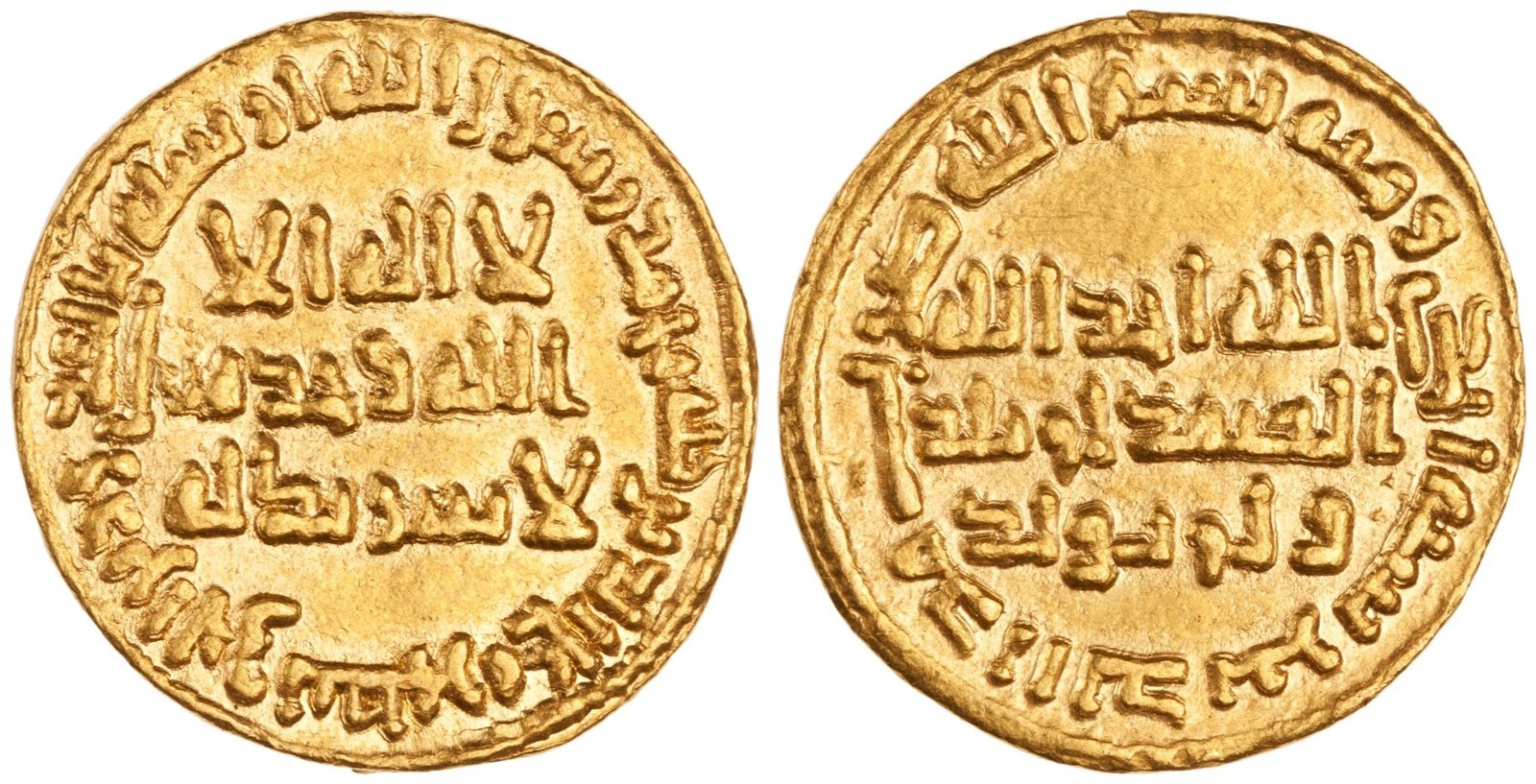
The Poets and Caliph Umar ibn Abd al-Aziz
A Story of Humility, Justice, and the Power of Poetry
When Umar ibn Abd al-Aziz became the Caliph, a group of poets came to visit him. They waited at his door for days, but he neither granted them permission to enter nor paid them any attention. This displeased them, and they considered returning to their homelands.
As they were about to leave, Raja ibn Haywah passed by. Jarir called out to him:
Raja entered but did not mention the poets or their situation to Umar. Later, Adi ibn Artah passed by, and Jarir recited to him:
أبلغ خليفتنا إن كنت لاقيه … أني لدى الباب كالمصفود في قرن
لا تنس حاجتنا لاقيت مغفرة … قد طال مكثي عن أهلي وعن وطني
Convey to our Caliph, if you meet him, that I am at the door like a bound prisoner in a cage.
Do not forget our need, if you seek forgiveness; I have been long away from my family and homeland.”
Adi entered and said to Umar ibn Abd al-Aziz, “O Commander of the Faithful, the poets are at your door. Their words are like poisoned arrows, and their speech is influential.”
Umar replied, “Woe to you, Adi! What do I have to do with poets?”
Adi said, “O Commander of the Faithful, the Messenger of Allah (peace and blessings be upon him) used to listen to poetry and reward it. He once listened to Al-Abbas ibn Mirdas reciting a poem in his praise and gave him a robe.”
Umar asked, “Can you recite some of it?”
Adi recited:
شرعت لنا دين الهدى بعد جورنا … عن الحق لما أصبح الحق مظلما
ونورت بالبرهان أمرا مدلسا … وأطفأت بالقرآن نارا تضرما
فمن مبلغ عني النبي محمدا … وكل امرئ يجزى بما كان قدما
أقمت سبيل الحق بعد اعوجاجه … وكان قديما ركنه قد تهدما
تعالى علوا فوق عرش إلهنا … وكان مكان الله أعلا وأعظما
You established for us the religion of guidance after our injustice, when truth had become obscured.
You illuminated with proof a matter that was confused, and extinguished with the Quran a blazing fire.
Who will convey to the Prophet Muhammad that every person is rewarded for what they have done?
You restored the path of truth after it had been crooked, though its foundation had long been crumbled.
Exalted is He, high above the Throne of our Lord, for the place of Allah is the highest and greatest.”
Umar asked, “Who among them is at the door?”
Adi replied, “Umar ibn Abi Rabiah, Al-Akhtal, Al-Farazdaq, Jamil ibn Ma’mar, and Jarir.”
Umar allowed all of them to leave except Jarir, whom he permitted to enter. Jarir entered, reciting:
وسع الخلائق عدله ووفاؤه … حتى ارعوى وأقام ميل المائل
إني لأرجو منك خيرا عاجلا … والنفس مولعة بحب العاجل
His justice and loyalty embraced all creation, until the crooked became straight and the tilted was upright.
I hope for immediate good from you, for the soul is inclined to love what is swift.”
Umar said to him, “Woe to you, Jarir! Fear Allah in what you say.”
Jarir sought permission to recite more poetry, but Umar neither granted nor forbade him. Jarir then recited a long poem in praise of Umar. Umar said, “Woe to you, Jarir! I see no right for you in this.”
Jarir replied, “I am poor and a traveler.”
Umar said, “We have taken this responsibility, and we only have three hundred dirhams. Umm Abd Allah took one hundred, her son took one hundred, and one hundred remains.” He ordered that the remaining one hundred dirhams be given to Jarir.
Jarir went out to the poets, and they asked, “What happened, Jarir?”
He replied, “Nothing that displeases you. I left the Commander of the Faithful, who gives to the poor and withholds from the poets. I am satisfied with him.” Then he recited:
Source: Al-Bidaya wa’l-Nihaya (The Beginning and the End) by Ibn Kathir
Key Themes
This story highlights the justice, humility, and wisdom of Caliph Umar ibn Abd al-Aziz.






Be First to Comment