
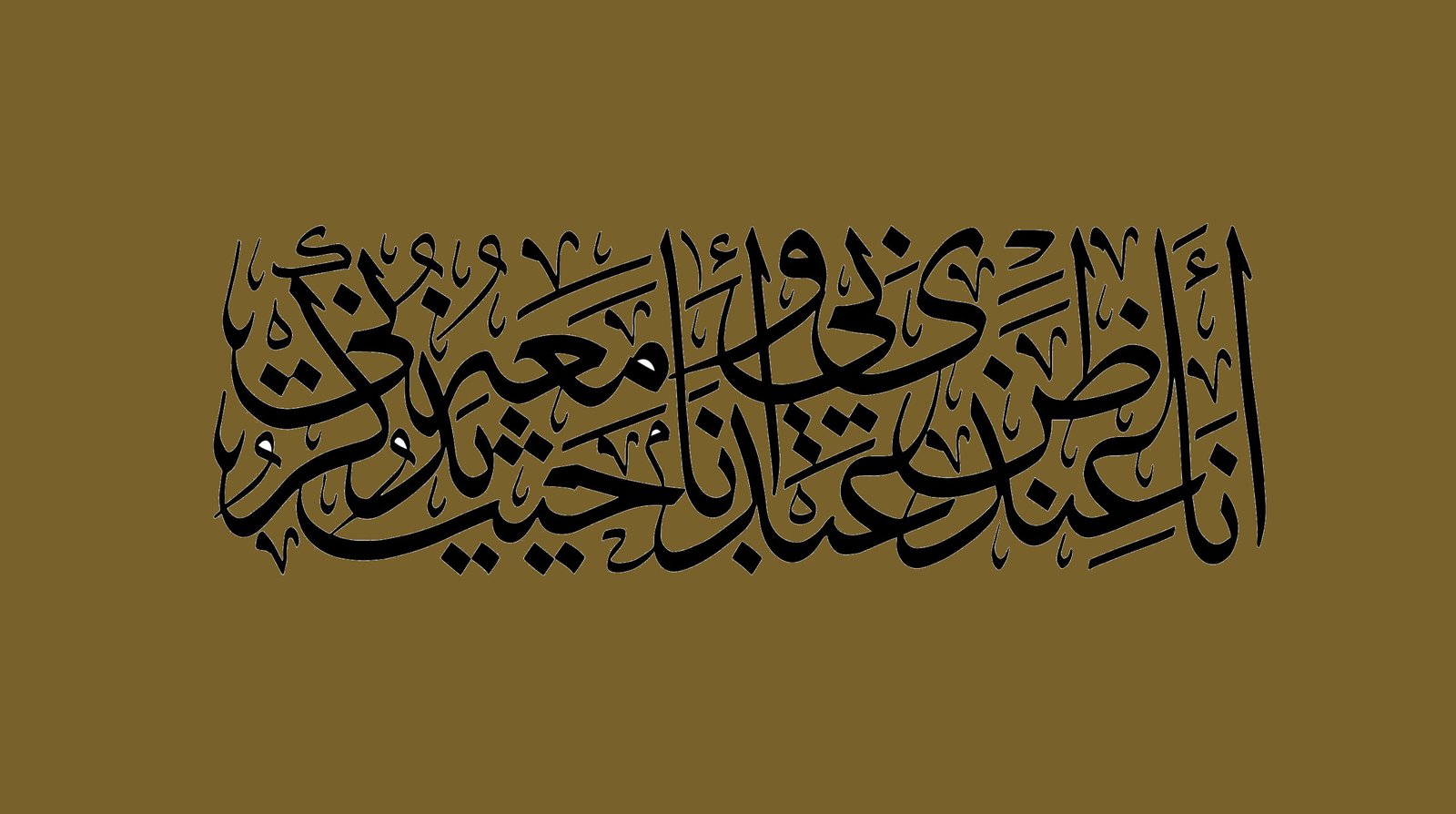
I am Present When You Remember Me
A Profound Hadith on Divine Proximity and Remembrance
Narrated by Abu Huraira (may Allah be pleased with him)
Sahih al-Bukhari 7405 & Sahih Muslim 2675
Understanding the Hadith
This is one of the most beautiful and profound hadiths in Islamic tradition, known as a Hadith Qudsi (a sacred hadith in which the Prophet Muhammad, peace be upon him, reports the direct words of Allah). It encapsulates the essence of the relationship between the servant and the Creator, emphasizing divine mercy, proximity, and the power of remembrance.
Breaking Down the Layers
1. Divine Presence Based on Expectation
“I am present when my servant thinks of me” – This opening statement establishes a fundamental principle: Allah’s presence in our lives is directly connected to our expectations and thoughts of Him. When we think positively of Allah, acknowledge His greatness, and expect His mercy and help, we are essentially inviting His presence into our hearts and lives. This is not merely psychological; it reflects a spiritual reality where our consciousness of Allah shapes our experience of His nearness.
2. Companionship in Remembrance
“I am with him when he remembers me” – Remembrance (dhikr) is the act of invoking Allah’s names, reflecting on His attributes, and maintaining conscious awareness of His presence. When we engage in dhikr—whether through prayer, contemplation, or simply thinking of Allah—we are not alone. Allah promises His companionship. This transforms the solitary act of remembrance into a divine encounter.
3. The Reciprocity of Private Remembrance
“If he remembers me inwardly I shall remember him inwardly” – This establishes a principle of reciprocal remembrance. When we remember Allah in our hearts—in our private moments, in our innermost thoughts—Allah remembers us in a manner befitting His majesty. This private remembrance is precious because it is done without seeking recognition or reward from others; it is purely for the sake of Allah.
4. Public Remembrance Elevated
“If he remembers me among people I shall remember him among people who are better than they” – When we remember Allah publicly—whether by praising Him, speaking about His religion, or standing up for Islamic values in the presence of others—Allah elevates our remembrance. He will remember us among the angels and the righteous, who are far superior to ordinary people. This is a profound encouragement to be vocal about our faith and not to be ashamed of our beliefs.
5. Divine Reciprocity in Drawing Near
“If he comes one span nearer to me, I go one cubit nearer to him” – This section uses the metaphor of physical distance to describe spiritual proximity. A span (shibr) is a smaller measure than a cubit (dhiraa), yet Allah responds with a greater measure. This illustrates that any effort we make to draw closer to Allah—whether through obedience, prayer, or striving in His cause—is met with exponentially greater response from Allah. Our small steps toward righteousness are answered with Allah’s abundant grace.
6. Accelerating Divine Mercy
“If he comes one cubit nearer to me, I go a distance of two outstretched arms nearer to him; and if he comes to me walking, I go to him running” – The progression here is remarkable. As our efforts increase, Allah’s response accelerates. When we take larger steps toward Allah, He responds with even greater measures. And when we come to Allah walking (with steady, deliberate effort), He comes to us running (with overwhelming mercy and assistance). This demonstrates that Allah’s mercy is not merely responsive; it is eager and abundant.
Spiritual Implications and Lessons
Key Takeaways from This Hadith:
- Positive Expectations: Cultivate positive thoughts about Allah. Expect His mercy, His help, and His forgiveness. Your expectations shape your spiritual reality.
- Consistency in Dhikr: Make remembrance of Allah a daily practice. Whether in solitude or in company, let your heart and tongue be engaged in remembering Allah.
- Courage in Faith: Do not be shy about your faith. Speaking about Allah and His religion publicly is honored and elevated by the Divine.
- Effort and Striving: Every effort you make toward righteousness, no matter how small, is noticed and rewarded by Allah with greater blessings.
- Divine Eagerness: Understand that Allah is eager to help, forgive, and draw near to those who seek Him. The relationship is not one-sided.
- Reciprocal Love: Love Allah, and He will love you. Remember Allah, and He will remember you. Seek Him, and He will seek you.
Practical Application
This hadith invites us to transform our daily lives through conscious remembrance of Allah. Here are practical ways to embody its teachings:
Engage in community worship and public expressions of faith. Share your knowledge of Islam with others. Stand firm in your principles even when facing opposition. These acts of public remembrance are elevated by Allah and witnessed by the angels.
Finally, take small steps toward spiritual growth. Increase your prayers, deepen your Quranic study, practice acts of kindness, and strive to embody Islamic values. Each step, no matter how small, is met with Allah’s abundant response.
Historical Context
This hadith was narrated by Abu Huraira (may Allah be pleased with him), one of the most prolific narrators of hadith in Islamic history. Abu Huraira was known for his exceptional memory and his dedication to preserving the teachings of the Prophet Muhammad (peace be upon him). He narrated thousands of hadiths, and his narrations are found in all the major hadith collections.
The hadith is recorded in both Sahih al-Bukhari and Sahih Muslim, the two most authentic collections of hadith in Islam. Its presence in these authoritative sources attests to its reliability and importance in Islamic jurisprudence and spirituality.
Connection to Quranic Verses
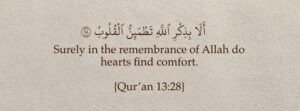
This hadith resonates deeply with several Quranic verses that emphasize the importance of remembrance and divine proximity:
These verses complement the hadith perfectly, establishing a comprehensive Islamic teaching on the centrality of remembrance (dhikr) in the spiritual life of a believer.
“O Allah, make us among those who remember You, fill our hearts with Your remembrance, and answer our prayers with Your mercy, O Most Merciful of the merciful.”









Be First to Comment