

This is the story of one of the lesser-known companions of the Prophet, pbuh. Yet, he is one of the 1400 who attended the Tree Allegiance. He was the herd keeper of the Prophet, and he is known for many other contributions to Islam.
Posts tagged as “reflection”

In this article, we discuss Omar Ibn Al-Khattab and his piety. We share five stories about his justice, leadership, and reverence for God.

Abu Bakr wasn't the most courageous, the most defender of Rasulul Allah, the poorest, or the most active in worship.

In a groundbreaking scientific study published by Cambridge University in 2010, two distinguished scientists—Professor Taylor Ross Stuart and Professor Scott M. Maclennan—presented a book marked by scientific courage titled "Planetary Crusts". This comprehensive work demonstrates the unique geological composition of planet Earth, distinguishing it from all other planets and our moon.

Al-Bara' ibn Malik was a man of disheveled hair, dusty appearance, thin frame, and delicate bones. To the casual observer, he appeared unremarkable—perhaps even weak. Many who saw him for the first time would dismiss him, their eyes moving past his frail form without a second thought. Yet beneath this unassuming exterior lay extraordinary courage, unmatched valor, and a spirit of sacrifice that would change the course of Islamic history.
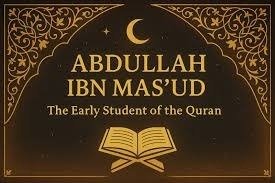
Abu Abd al-Rahman Abdullah ibn Mas'ud ibn Ghafil ibn Habib al-Sahli al-Hudhali (may Allah be pleased with him) was one of the greatest companions of Prophet Muhammad ﷺ. Born into the tribe of Hudhail, he would become the scholar of the Ummah, the sixth person to embrace Islam, and one of those given glad tidings of Paradise.

Emily Brontë's Wuthering Heights, published in 1847 under the pseudonym Ellis Bell, stands as one of the most intense and unconventional novels in English literature. Often ranked alongside her sister Charlotte's Jane Eyre among the greatest works of the nineteenth century, it continues to captivate readers with its raw emotional power, complex structure, and unflinching exploration of destructive love.

This is the story of the man for whom the Prophet himself dug the grave, laid him to rest, and made a supplication so heartfelt that Abdullah ibn Mas‘ud wished it had been for him.
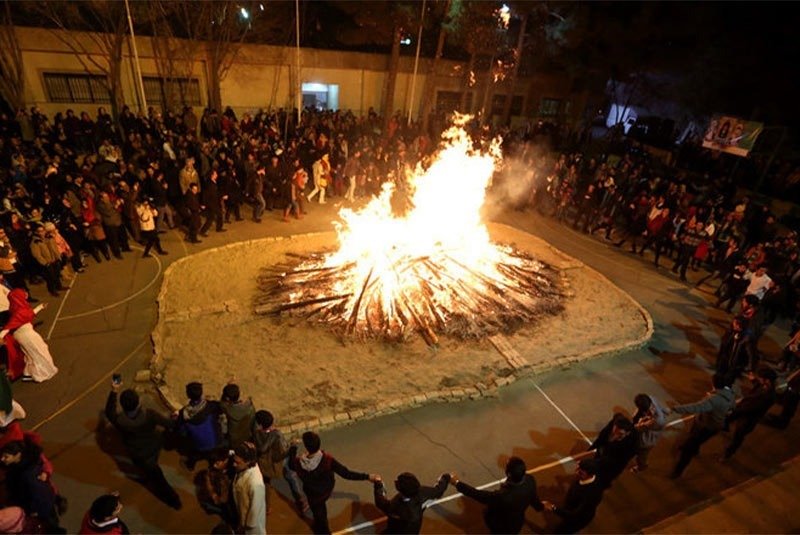
You can’t guide whom you love, but God guides whom He wills. He knows best those who are guided. (Qur'an 28:56)
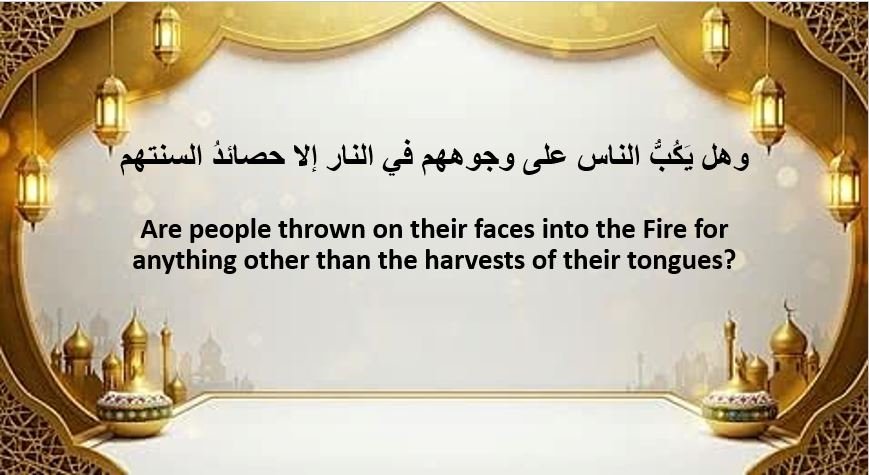
A powerful story from the Prophet on the danger of backbiting. The moral of the story is simple: hold your tongue, for there surely the Prophet has warned against it and warned of consequences.

Published in 1945 during the final stages of World War II, Cannery Row emerged as John Steinbeck's deliberate departure from the stark social realism that defined his earlier masterpieces.

Al-Baraʾ ibn Malik was a brave Companion of the Prophet Muhammad (peace be upon him), renowned for his exceptional courage in battle and his deep devotion to Islam.

Habib al-Najjar, also known as Habib the Carpenter or “the Believer of the People of Yasin,” was a righteous man who lived in a village in Greater Syria, said to be Antioch. He is mentioned in the Qur’an without being named, in the verse: “And there came from the farthest end of the city a man, running. He said, ‘O my people, follow the messengers.’” (Yasin 36:20)

How a simple ship journey turned the life of a man, led him to true, sincere faith that surpassed that of those who led him to the faith!
Umm Kulthum bint Uqbah ibn Abi Mu'ayt was a noble Companion of the Prophet ﷺ from the Quraysh tribe. She was known for her extraordinary beauty, intelligence, love for knowledge, and her remarkable courage in embracing Islam during its most challenging early days.