
قصة أصحاب القرية
The Story of the People of the Village (Antioch) from Surah Yasin
من هم أصحاب القرية وأين تقع القرية؟
Who are the People of the Village and where is it located?
قال أكثر المفسرين عن ابن عباس رضي الله عنهما هي أنطاكية، وكذا روى عن بُرَيدة بْنِ الحُصَيب وعِكْرِمَة، وَقَتَادَةَ، وَالزُّهْرِيِّ، وهي مدينة بالشام متاخمة لبلاد اليونان، وأن الثلاثة المرسلين إليهم من رسل عيسى عليه السلام.
Most commentators, citing Ibn Abbas (may Allah be pleased with him), identified it as Antioch. This was also narrated by Buraidah ibn al-Husayb, Ikrimah, Qatadah, and al-Zuhri. It is a city in Syria, bordering Greek territories, and the three messengers sent to them were from the messengers of Jesus (peace be upon him).
أنطاكية: مدينة تاريخية في بلاد الشام (سوريا الحالية)، متاخمة لبلاد اليونان. كانت من أهم المدن في العصور القديمة، وهي المكان الذي أرسل الله إليه ثلاثة من الرسل.
إرسال الرسل الثلاثة
The Sending of the Three Messengers
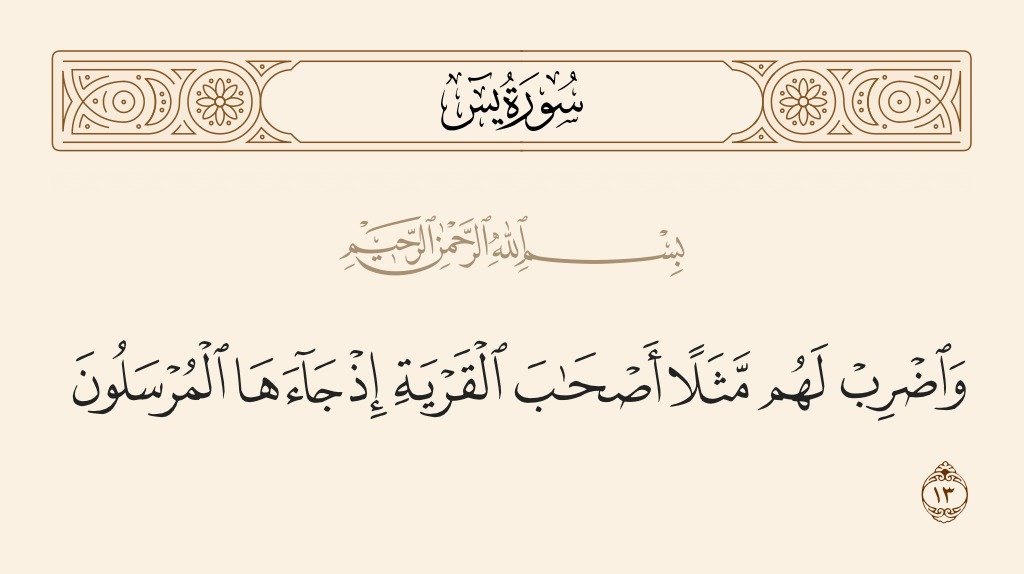
“And present to them an example: the people of the city, when the messengers came to it. When We sent to them two but they denied them, so We strengthened them with a third, and they said, ‘Indeed, we are messengers to you.'”
— سورة يس (36:13-14)
فيما ورد عن أهل القرية، بأنّهم أهل قرية أنطاكية، وقد تم إرسال لهم ثلاثة رسل، وقيل بأنّهم: صادق، ومصدوق، وشمعون، وفي قول آخر بأنّهم رسل عيسى عليه السلام، فأرسل الله تعالى لهم رسوليْن، فلم يؤمنوا، فقوّى الله موقف الرسوليْن، بإرسال رسول ثالث، يدعّم الموقف ويقوّيه.
It has been narrated that these were the people of Antioch. Three messengers were sent to them. Some say their names were Sadiq, Masdooq, and Sham’oon. Another narration states they were messengers from Jesus (peace be upon him). Allah sent two messengers first, but they did not believe, so Allah strengthened the position of the two messengers by sending a third to support and reinforce them.
إعراض أهل القرية عن الإيمان
The People’s Rejection of Faith
“They said, ‘You are not but human beings like us, and the Most Merciful has not revealed a thing. You are only telling lies.’ The messengers said, ‘Our Lord knows that we are messengers to you, and we are not responsible except for clear notification.’ They said, ‘Indeed, we consider you a bad omen. If you do not desist, we will surely stone you, and there will surely touch you, from us, a painful punishment.’ They said, ‘Your omen is with yourselves. Is it because you were reminded? Rather, you are a transgressing people.'”
— سورة يس (36:15-19)
فما كان من أهل القرية إلّا أن أجابوا على الدعوة بأن لا فضل لأحد على الآخر، إذ إنّ الذين يدّعون الرسالة والنبوّة ما هم إلّا بشر مثلهم، فما هم إلّا كاذبون في أمر الرسالة، فأجاب الرسل؛ بأنّ الله تعالى عالم بظاهر الأمر وخفاياه، وما عليهم إلا الدعوة وهم غير مسؤولين عن نتيجة تذكيرهم ودعوتهم.
The people of the village responded that no one has superiority over another, as those claiming prophethood and messengership were merely humans like them, thus they were liars about the message. The messengers responded that Allah knows all that is apparent and hidden, and that their duty is only to convey the message—they are not responsible for the outcome of their reminder and call.
وفي قول لمقاتل: بأن المطر قد حُجب عن القرية لمدّة ثلاث سنوات، فأعزى أهل القرية حرمانهم من المطر إلى الرسل الثلاثة؛ فتشاءموا بهم، حتى أنهم قاموا بتهديد الرسل بالقتل إذا لم يتوقفوا في دعوتهم.
According to Muqatil: Rain had been withheld from the village for three years. The people attributed their deprivation of rain to the three messengers, considering them a bad omen, and threatened to kill the messengers if they did not stop their call.
فأجابت الرسل بأن رزقهم وحظهم أمر لازم لهم لا علاقة للرسل به، وفي وصفهم بالإسراف هناك قولان: الأول بأنّهم تجاوزا الحد في الشرك والكفر، والثاني بأنّهم بالغوا في التشاؤم بالرسل.
الرجل الصالح: حبيب النجار
The Righteous Man: Habib al-Najjar
في قول أورده الإمام الطبري: بأن هذا الرجل يدعى حبيب، كان مؤمنًاّ كثير الصدقة، يقسم قوت يومه بين قوت عائلته والتصدّق على من يحتاج، على الرغم من فقره وسقمه.
According to Imam al-Tabari: This man was called Habib. He was a believer who gave much in charity, dividing his daily sustenance between his family’s needs and charity for those in need, despite his poverty and illness.
وعندما سمع بنيّة أهل القرية بقتل الرسل، انطلق لهم ناصحًا، ألّا يمسّوا الرسول بسوء، وأن يؤمنوا بما دعاهم إليه الرسل، فإنهم لا يطلبون أجراً على دعوتهم ونصيحتهم، فهم لكم ناصحون، وهم على طريق الحق.
نصيحة الرجل الصالح
The Righteous Man’s Counsel
سأل أهل القرية الرجل الصالح إن كان قد اتّبع الرسل وأصبح على دينهم، فما كان منه إلّا الإجابة بأسلوب الحجة فقال: ولمَ لا أعبد الله تعالى وهو الخالق، وإليه المرجع والمصير يوم القيامة، وبأن الأصنام لا تملك له نفعًا ولا ضرًا ولا حتى شفاعة، وهكذا قد جهر بإيمانه.
The people of the village asked the righteous man if he had followed the messengers and adopted their religion. He responded with logical argument, saying: “Why should I not worship Allah who is the Creator, and to Him is the return and destination on the Day of Judgment? The idols possess neither benefit nor harm for me, nor even intercession.” Thus, he openly declared his faith.
عاقبة الرجل الصالح وعاقبة أهل القرية
The Fate of the Righteous Man and the People of the Village
فما كان من أهل القرية إلّا أن قتلوه؛ وفي طريقة قتلهم له؛ قيل رجمًا، وقيل أنّهم وطئوه بأقدامهم حتى مات. ولكن الله تعالى أكرمه بالشهادة ومباشرة أدخله الجنة.
The people of the village killed him. Regarding the manner of his killing, it is said they stoned him, while others say they trampled him with their feet until he died. But Allah honored him with martyrdom and immediately admitted him to Paradise.
“It was said, ‘Enter Paradise.’ He said, ‘I wish my people could know of how my Lord has forgiven me and placed me among the honored.'”
— سورة يس (36:26-27)
سبحان الله! حتى بعد دخوله الجنة، كان همّه الأول أن يعلم قومه بما أكرمه الله به، راجيًا أن يؤمنوا ويهتدوا. هذا هو قلب المؤمن الصادق الذي يحب الخير لقومه حتى بعد أن آذوه وقتلوه.
Glory be to Allah! Even after entering Paradise, his first concern was that his people should know of how Allah had honored him, hoping they would believe and be guided. This is the heart of a true believer who wishes goodness for his people even after they harmed and killed him.
“And We did not send down upon his people after him any soldiers from the heaven, nor would We have done so. It was not but one shout, and immediately they were extinguished.”
لم يحتج الله تعالى إلى جنود من السماء لإهلاكهم، بل كانت صيحة واحدة فقط، فإذا هم هامدون كالنار المطفأة. هذا هو عاقبة من يكفر بآيات الله ويقتل عباده الصالحين.
السورة التي وردت فيها القصة
The Chapter in Which This Story Appears
وردت قصة أصحاب القرية في سورة يس، في الآيات من 13 إلى 30، وقد جاءت القصة في معرض الحديث عن قدرة الله تعالى على الإحياء والموت والإهلاك، وبيان أهميّة الإيمان بالله تعالى الخالق القادر الّذي إليْه المصيرّ، ولبيان حاجة كل أمة إلى رسول، ففي بعض الأمم والقرى قد أرسل إليهم أكثر من رسول.
The story of the People of the Village appears in Surah Yasin, verses 13-30. The story came in the context of discussing Allah’s power over life, death, and destruction, demonstrating the importance of faith in Allah—the Creator, the Capable, to whom is the final return—and showing that every nation needs a messenger. In some nations and villages, more than one messenger was sent.
الدروس المستفادة
Lessons Learned
يستفاد من قصة أصحاب القرية بأنّ العصاة المتمردّين الرافضين للتوحيد موجودون منذ قدم الأزل، فلا يسعى المسلم إلّا بأن يتمّ ما عليه من الدعوة إلى الله تعالى، دون النظر لموقف المدعوين من الدعوة.
From the story of the People of the Village, we learn that disobedient rebels who reject monotheism have existed since ancient times. The Muslim should strive to fulfill their duty of calling to Allah, regardless of how the people respond to the call.
ومن الدروس أيضًا: أن الإيمان الصادق قد يكون في أضعف الناس (كحبيب النجار الفقير المريض)، وأن الشجاعة في الحق من صفات المؤمن، وأن حب الخير للناس يستمر حتى بعد الموت، وأن عذاب الله سريع لمن يستحقه.









Be First to Comment